Sea drones strike Iranian port in combat first for US
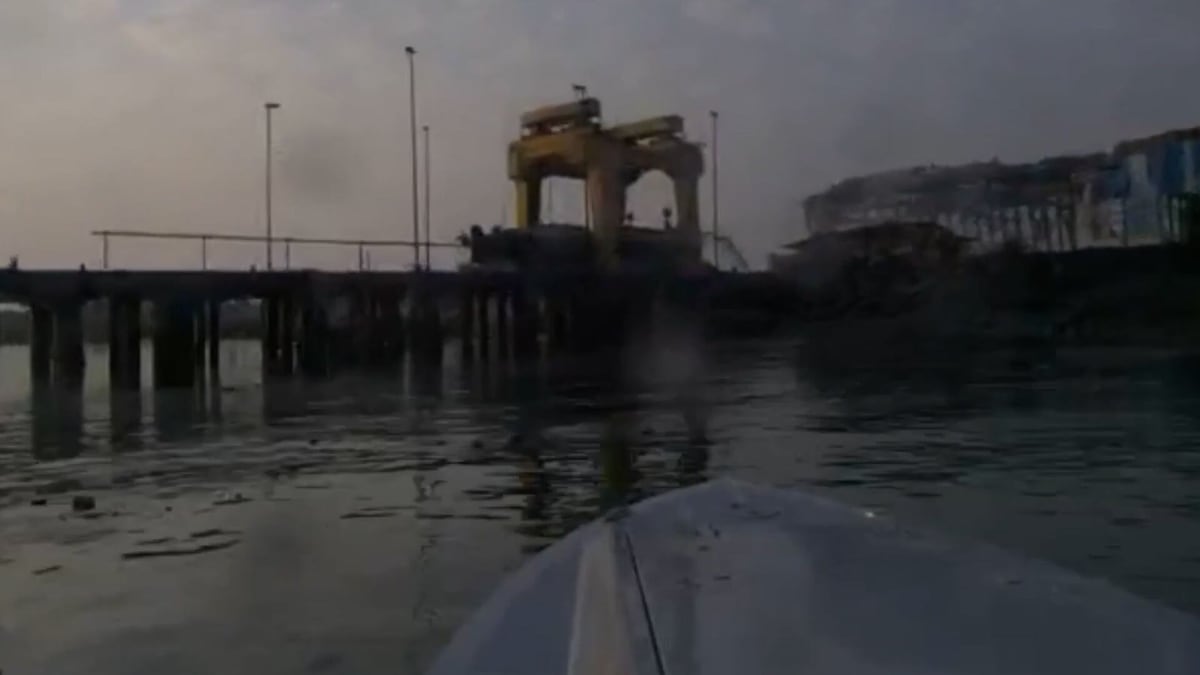
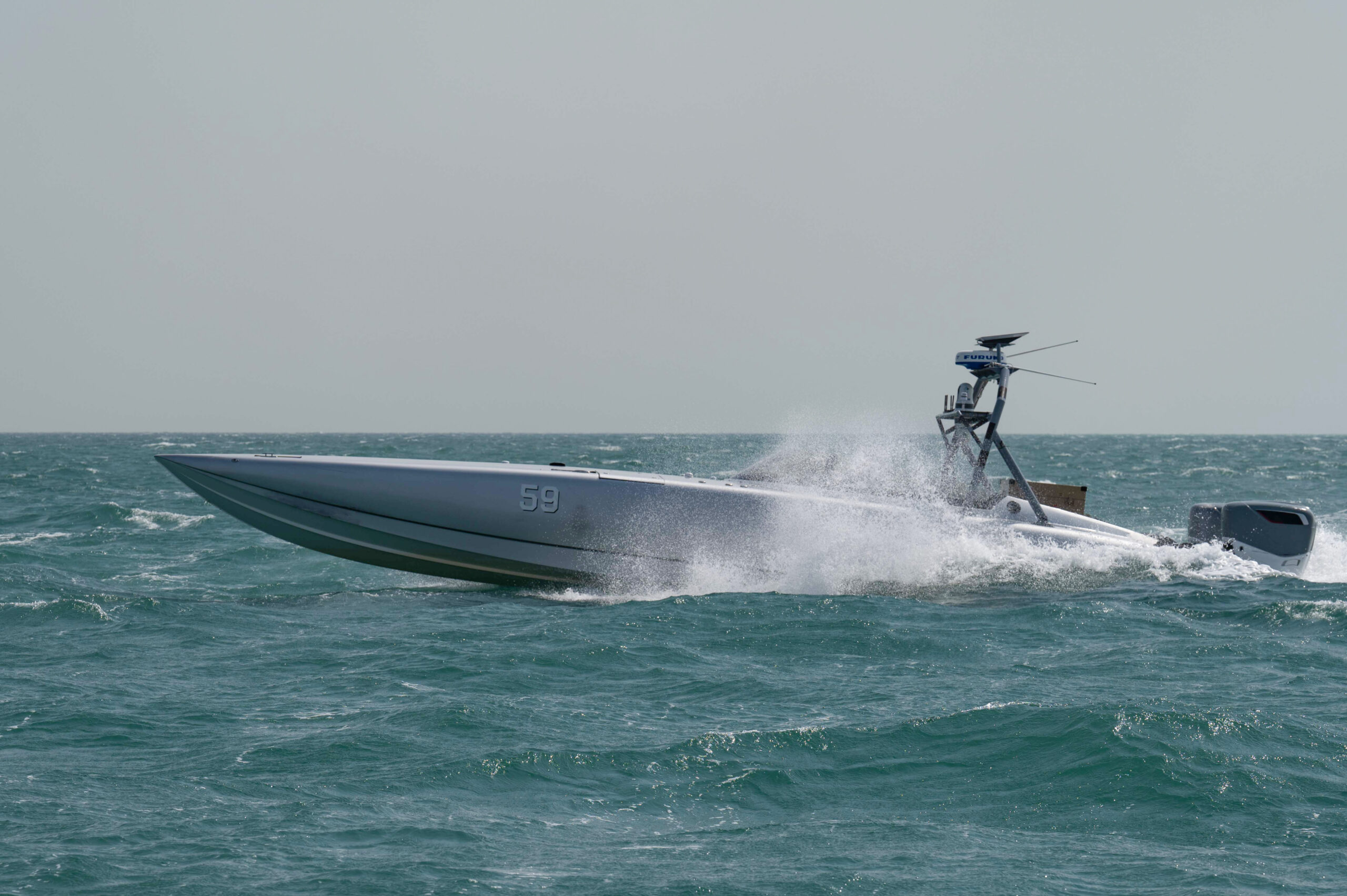
In a historic first, the U.S. Navy has deployed sea drones in a combat operation, successfully striking an Iranian port. This unprecedented action marks a significant milestone not only for naval warfare but also for the integration of unmanned systems into modern military strategies. The implications of this development resonate deeply across the defense, aerospace, and technology sectors, as it signals a shift towards more autonomous and versatile operational capabilities.
The use of sea drones in combat reflects a broader trend in military innovation, where traditional engagement methods are being redefined by advanced technologies. The ability to conduct operations without risking human lives directly is a game-changer, particularly in regions marked by geopolitical tensions. This operation underscores the United States' commitment to maintaining maritime security and deterring aggression in contested waters, especially as threats evolve in complexity and scope.
For builders and investors in the defense industry, this operation highlights the growing importance of unmanned systems in national security strategies. The sea drone's successful deployment could catalyze further investments in autonomous maritime technologies, leading to advancements in design, efficiency, and effectiveness. As defense budgets continue to be scrutinized, the cost-effectiveness of deploying unmanned systems will become increasingly attractive to military planners and policymakers alike.
Moreover, this operation raises critical questions about the future of warfare and the ethical implications of using autonomous systems in combat. While technology can reduce human risk, it also necessitates robust oversight and accountability frameworks to prevent unintended consequences. The defense community must navigate these challenges carefully, ensuring that advancements in technology align with international laws and norms.
Looking ahead, the successful strike by sea drones may signal a new chapter in naval warfare, one where unmanned systems play a pivotal role in shaping operational strategies. As nations around the world observe this development, we can expect a surge in research and development efforts aimed at enhancing the capabilities of unmanned maritime vehicles. The defense and technology industries must remain agile, adapting to the rapid pace of change while ensuring that innovations contribute to a stable and secure global environment. The integration of sea drones into combat operations is just the beginning of a transformative era in military capabilities, and it will be vital for stakeholders to stay informed and engaged in these developments.