RTX Nabs $516 Million Contract For More SPY-6 Radar Support
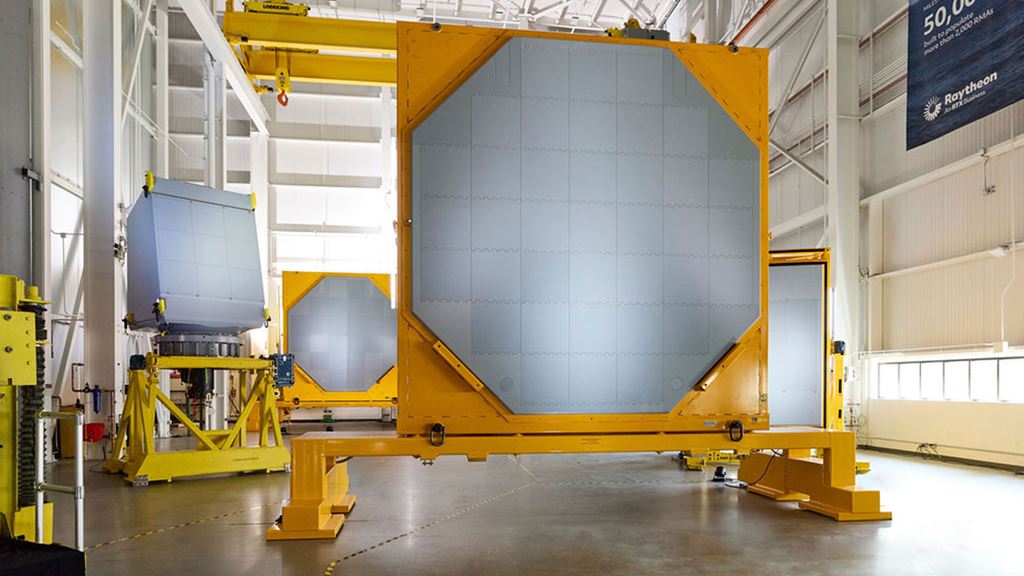
In a significant boost to its defense portfolio, RTX has secured a $516 million contract to expand support for its advanced SPY-6 radar system. This contract not only underscores the strategic importance of the SPY-6 radar in enhancing naval warfare capabilities but also reflects a growing demand for sophisticated radar technology in an increasingly complex global security environment. As threats evolve, the need for robust surveillance and targeting systems becomes paramount, and this contract positions RTX at the forefront of meeting those needs.
The SPY-6 radar, developed by RTX, is a multi-function, scalable radar system designed to detect and track a wide array of aerial and maritime threats. Its advanced capabilities are pivotal for both the U.S. Navy and Marine Corps, providing enhanced situational awareness and enabling proactive responses to emerging threats. The latest contract will allow RTX to continue its work on this cutting-edge technology, further solidifying its role as a leader in the defense sector and ensuring that U.S. forces remain equipped with state-of-the-art systems.
This contract comes at a time when defense budgets are under scrutiny, yet the urgency for modernization and technological advancement remains high. The Department of Defense has emphasized the importance of integrating advanced technologies into existing systems to counteract potential adversaries, particularly as geopolitical tensions rise. The SPY-6 radar's capabilities are integral to this mission, making RTX’s work not just a contractual obligation but a vital contribution to national security.
From a financial perspective, this substantial contract is a win for RTX, signaling investor confidence in the company’s strategic direction and technological prowess. For builders and investors in the defense industry, it highlights the potential for growth opportunities as the demand for advanced defense systems increases. This contract is likely to spur further investments in research and development for radar technologies, positioning RTX and its partners to capitalize on future projects that will arise from ongoing military modernization efforts.
Looking ahead, the commitment to the SPY-6 radar system is indicative of broader trends in defense procurement, where adaptability and technological superiority are increasingly sought after. As nations invest heavily in their military capabilities, the defense sector must continue to innovate and deliver solutions that can address emerging threats. RTX’s recent contract not only enhances its portfolio but also serves as a reminder of the critical role that advanced technologies play in shaping the future of defense operations on a global scale. The ongoing evolution of radar technology will likely influence military strategies and defense priorities for years to come, making it an area worth watching for industry stakeholders.