Pyka’s New Autonomous Cargo Drone Conducts Parachute Airdrops
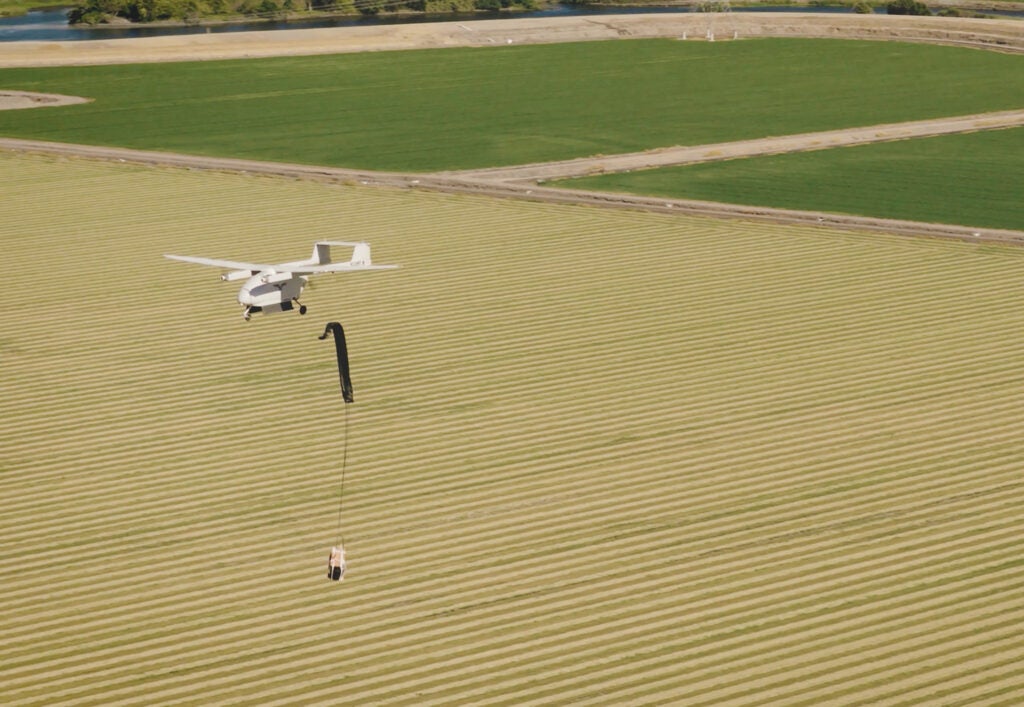
In an era marked by increasing reliance on unmanned systems, Pyka has taken a significant leap forward with its latest innovation: an autonomous cargo drone capable of conducting parachute airdrops. This development not only showcases advancements in drone technology but also underscores a pivotal shift in logistics for both commercial and defense applications. As industries seek more efficient and flexible solutions for transportation and supply chain challenges, Pyka's drone is poised to play a crucial role in reshaping how cargo is delivered in challenging environments.
The autonomous cargo drone leverages cutting-edge technology to navigate and deliver payloads with impressive precision. By utilizing parachute airdrops, it can reach remote or difficult-to-access locations without the need for extensive ground infrastructure. This capability is particularly vital for military operations, where timely and secure delivery of supplies can be the difference between mission success and failure. Moreover, the drone's autonomy minimizes human risk and reduces operational costs, making it an attractive option for defense contractors and logistics providers alike.
The implications of Pyka's drone extend beyond the battlefield. In disaster relief scenarios, for instance, the ability to rapidly deploy supplies to affected areas can significantly expedite recovery efforts. With climate change intensifying the frequency of natural disasters, the demand for agile logistical solutions has never been greater. The drone's design allows it to adapt to various payload types, making it suitable for a range of applications, from delivering humanitarian aid to transporting critical medical supplies.
As competition in the drone market heats up, innovations like Pyka's autonomous cargo drone set a new standard for industry players. This technology not only enhances operational capabilities but also drives down costs, paving the way for broader adoption across various sectors. Investors and builders in the aerospace and defense industries should take note of this development, as it signifies a trend towards integrating automation and advanced logistics solutions in both military and civilian contexts.
Looking forward, the evolution of autonomous drones is likely to accelerate, driven by advancements in AI, machine learning, and sensor technology. As companies like Pyka continue to innovate, we can anticipate a future where such systems become commonplace, fundamentally altering how goods are transported. The potential for cost savings, increased efficiency, and enhanced operational capabilities presents a compelling case for stakeholders in the defense, aerospace, and technology sectors to invest in and develop these autonomous systems further, ensuring they remain at the forefront of this transformative movement.