Pentagon inks $500 million deal with Perennial Autonomy for counter-drone tech
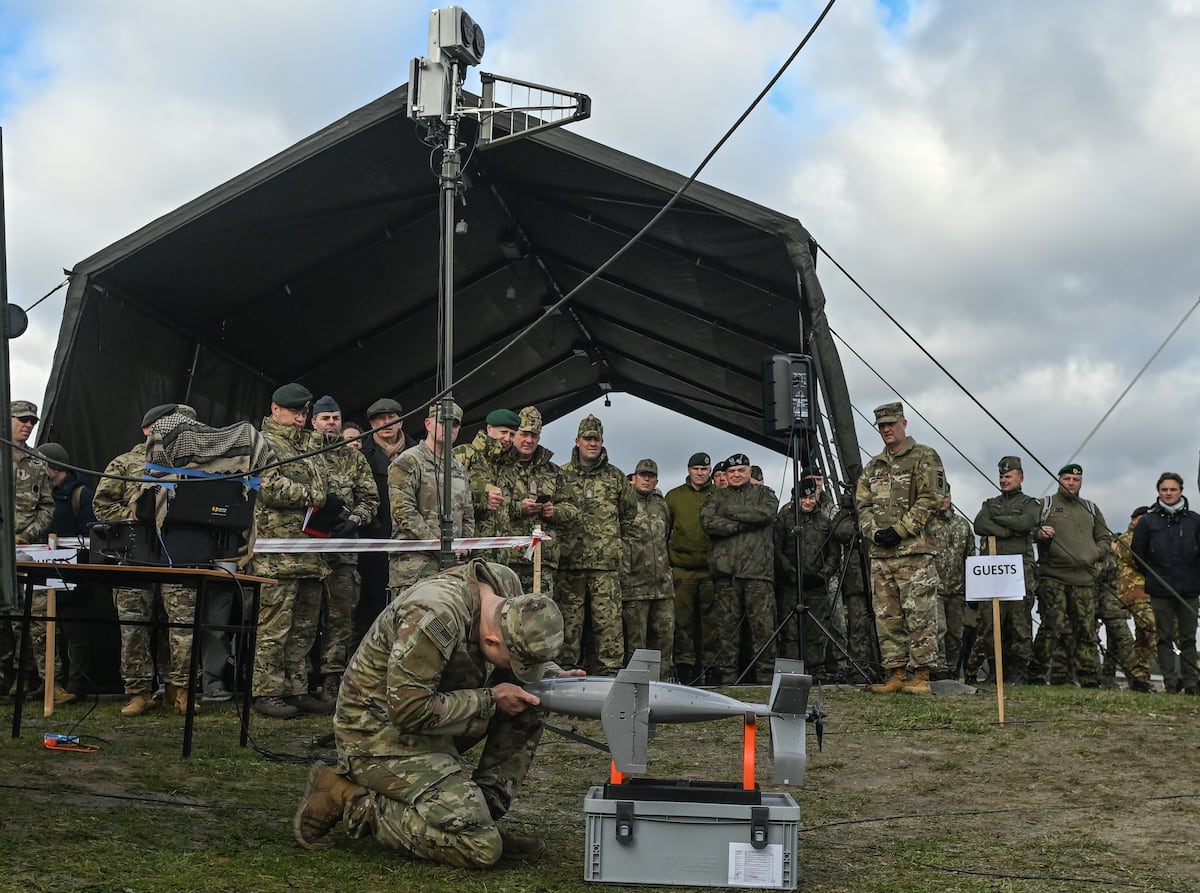
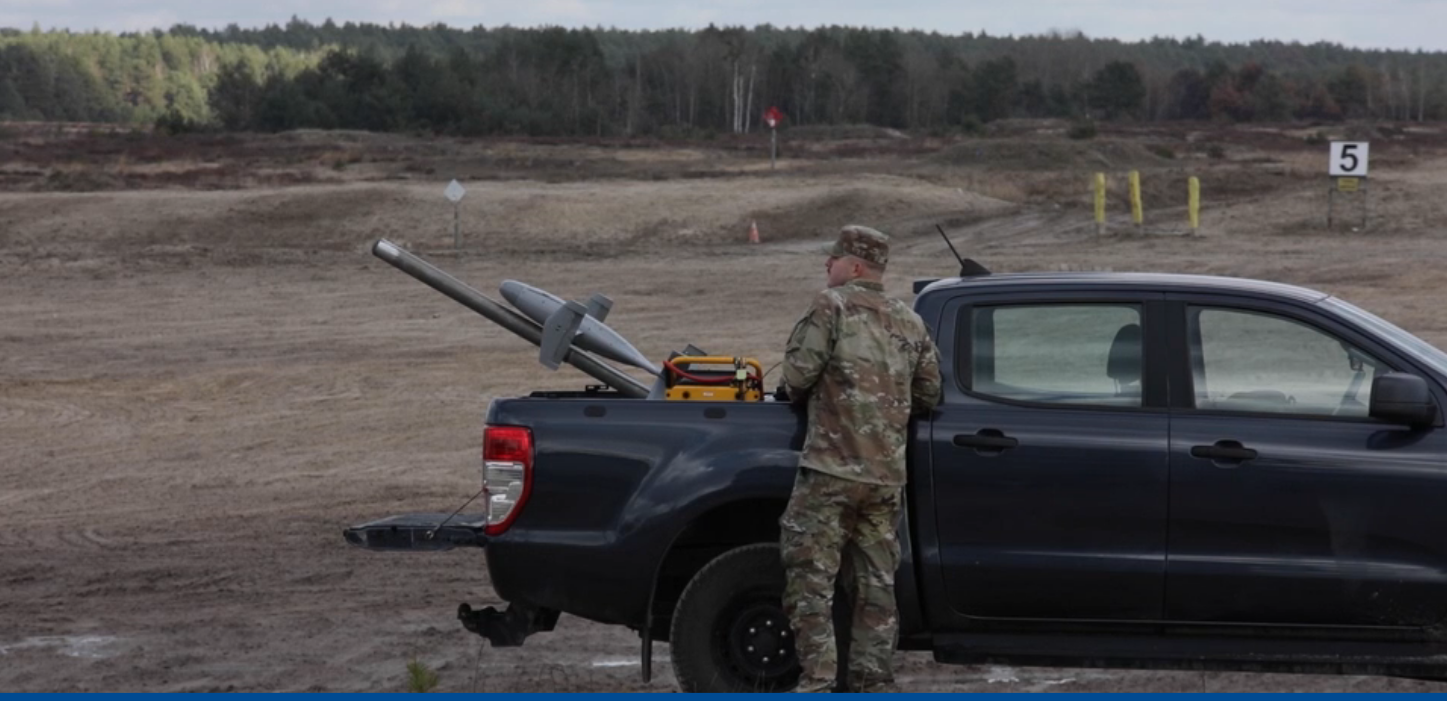
In a significant move that underscores the growing urgency to address aerial threats, the Pentagon has recently finalized a $500 million deal with Perennial Autonomy to develop advanced counter-drone technologies. This partnership not only highlights the escalating prevalence of unmanned aerial vehicles (UAVs) on the battlefield and in civilian airspace but also signals a robust commitment from the U.S. Department of Defense (DoD) to enhance national security through innovative technological solutions. As drones become more accessible and affordable, their potential for misuse raises alarms that the defense community can no longer afford to ignore.
The agreement with Perennial Autonomy comes at a time when the risks posed by hostile drones are increasingly recognized across various sectors, from military applications to critical infrastructure protection. The proliferation of drones has led to significant security concerns, including the potential for surveillance, smuggling, and even armed attacks. This deal is a reflection of the Pentagon's strategic pivot towards comprehensive countermeasures that can neutralize these threats effectively. By investing in counter-drone technology, the DoD aims to safeguard both its personnel and assets from increasingly sophisticated UAVs operated by adversaries.
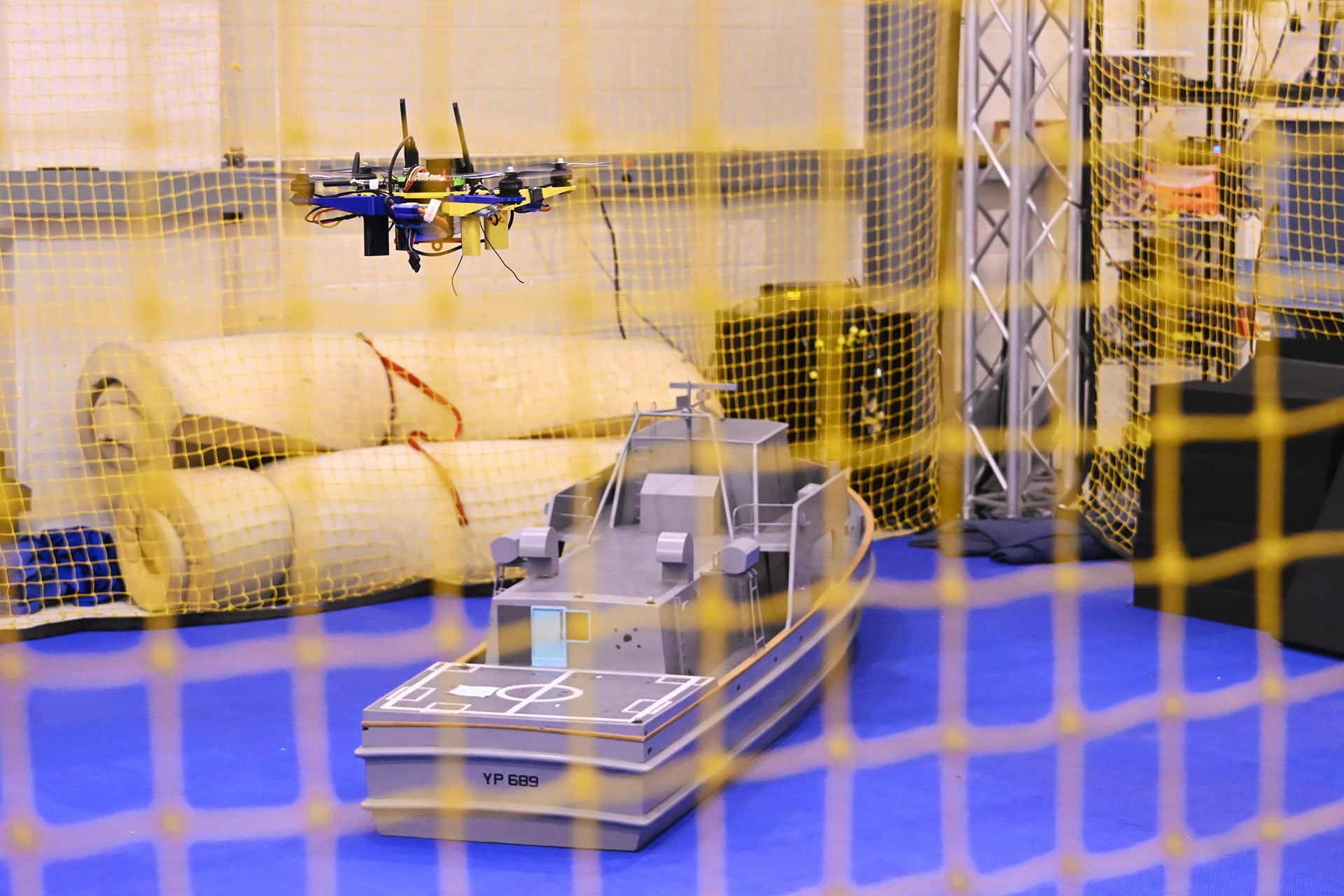
Perennial Autonomy, known for its cutting-edge developments in artificial intelligence and autonomous systems, is well-positioned to deliver solutions that integrate seamlessly with existing defense frameworks. The focus of this partnership will likely encompass a range of technologies, including advanced radar systems, electronic warfare capabilities, and artificial intelligence-driven analytics. This multifaceted approach is essential, as the threat landscape continues to evolve rapidly, necessitating adaptive and scalable solutions that can operate in diverse environments.
This partnership is not just a win for the Pentagon; it also represents a crucial opportunity for investors and industry stakeholders in the defense and aerospace sectors. As the market for counter-drone technologies expands, companies investing in this space stand to benefit significantly. The collaboration between the Pentagon and Perennial Autonomy may pave the way for further public-private partnerships, encouraging innovation and accelerating the development of next-generation defense technologies. For builders and investors, this presents an opportunity to align with a sector that is not only vital for national security but is also poised for substantial growth.
Looking ahead, the implications of this deal extend beyond immediate military applications. The technology developed through this partnership could find its way into civilian applications, enhancing the safety of urban airspaces and protecting critical infrastructure from drone-related vulnerabilities. As drone technology continues to evolve, so too must our countermeasures. The Pentagon's investment in Perennial Autonomy is a proactive step in ensuring that the U.S. remains at the forefront of defense innovation, capable of adapting to and neutralizing emerging threats.
In conclusion, the $500 million deal with Perennial Autonomy represents a strategic investment in the future of national security. As the threat posed by drones continues to grow, so does the necessity for advanced countermeasures. This partnership is a testament to the Pentagon's commitment to leveraging innovative technologies to safeguard the nation, while also presenting opportunities for growth within the defense and aerospace sectors. The road ahead will require collaboration, agility, and a forward-looking mindset as we navigate the complexities of modern warfare and security challenges.