No sound of silence: US soldiers train eyes — and ears — for drone swarms
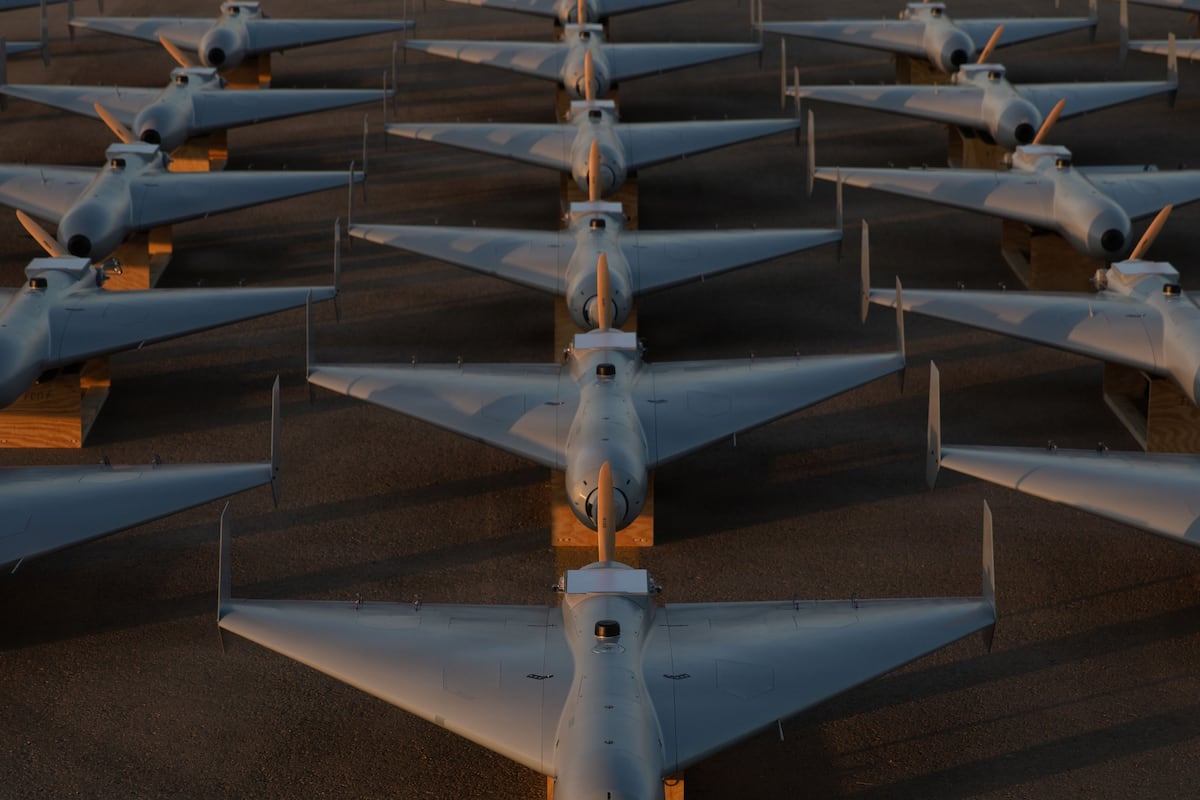
In the ever-evolving landscape of modern warfare, the recent training initiatives for U.S. soldiers to counter drone swarms highlight a critical shift in military strategy. As drone technology advances, so does its potential to disrupt conventional military operations. The U.S. Army's focus on enhancing soldiers' auditory and visual skills to detect and engage these aerial threats underscores the urgency of adapting to this new battlefield reality. With the proliferation of drone swarms posing a formidable challenge, understanding and mitigating their impact is essential for maintaining strategic dominance.
Drone swarms, composed of multiple unmanned aerial vehicles (UAVs) operating in coordination, represent a significant threat to traditional military assets. Their ability to overwhelm defenses through sheer numbers makes them particularly difficult to counter. The U.S. military's response has involved not just technological advancements but also an emphasis on training personnel to recognize and respond effectively to these challenges. By honing their sensory skills, soldiers can identify potential drone threats before they become operational, thus gaining a critical edge in situational awareness and response times.
This training program is not merely about the mechanics of drone detection; it also reflects a broader strategic imperative. As adversaries continue to develop and deploy drone technology, the U.S. must ensure that its forces are prepared to face a future where aerial threats are ubiquitous. Incorporating auditory recognition into training regimens emphasizes the multifaceted nature of modern warfare, where technology and human intuition must operate in concert. This holistic approach to soldier preparedness could serve as a model for other branches of the military and allied forces, promoting a comprehensive understanding of multi-domain operations.
Moreover, the implications extend beyond the battlefield. For defense contractors and technology developers, this shift presents a lucrative opportunity to innovate in the realm of counter-drone systems. Investment in technologies that enhance detection capabilities, improve electronic warfare systems, and develop defensive countermeasures will be paramount. The integration of artificial intelligence and machine learning into these systems could further bolster the military’s ability to respond to drone swarms, making them more effective and efficient.
As we look to the future, the importance of training soldiers to effectively engage with drone swarms cannot be overstated. It signifies a proactive stance in adapting to the realities of modern warfare, where technological advancements dictate the terms of engagement. The defense industry must remain agile, investing in research and development to stay ahead of emerging threats. The successful implementation of this training initiative could not only safeguard military personnel but also inspire confidence in the defense sector's commitment to innovation and excellence.
In conclusion, as the U.S. military continues to evolve in response to the challenges posed by drone technology, it sets a precedent for integrating human capability with advanced systems. The ongoing training for soldiers to attune their senses to drone swarms exemplifies a forward-looking approach that could redefine military engagement strategies. The defense and aerospace industries stand at a crucial juncture, where collaboration and innovation will be essential to navigate the complexities of future warfare.