Navy Seeks Vendor-Neutral USV Maintenance Framework
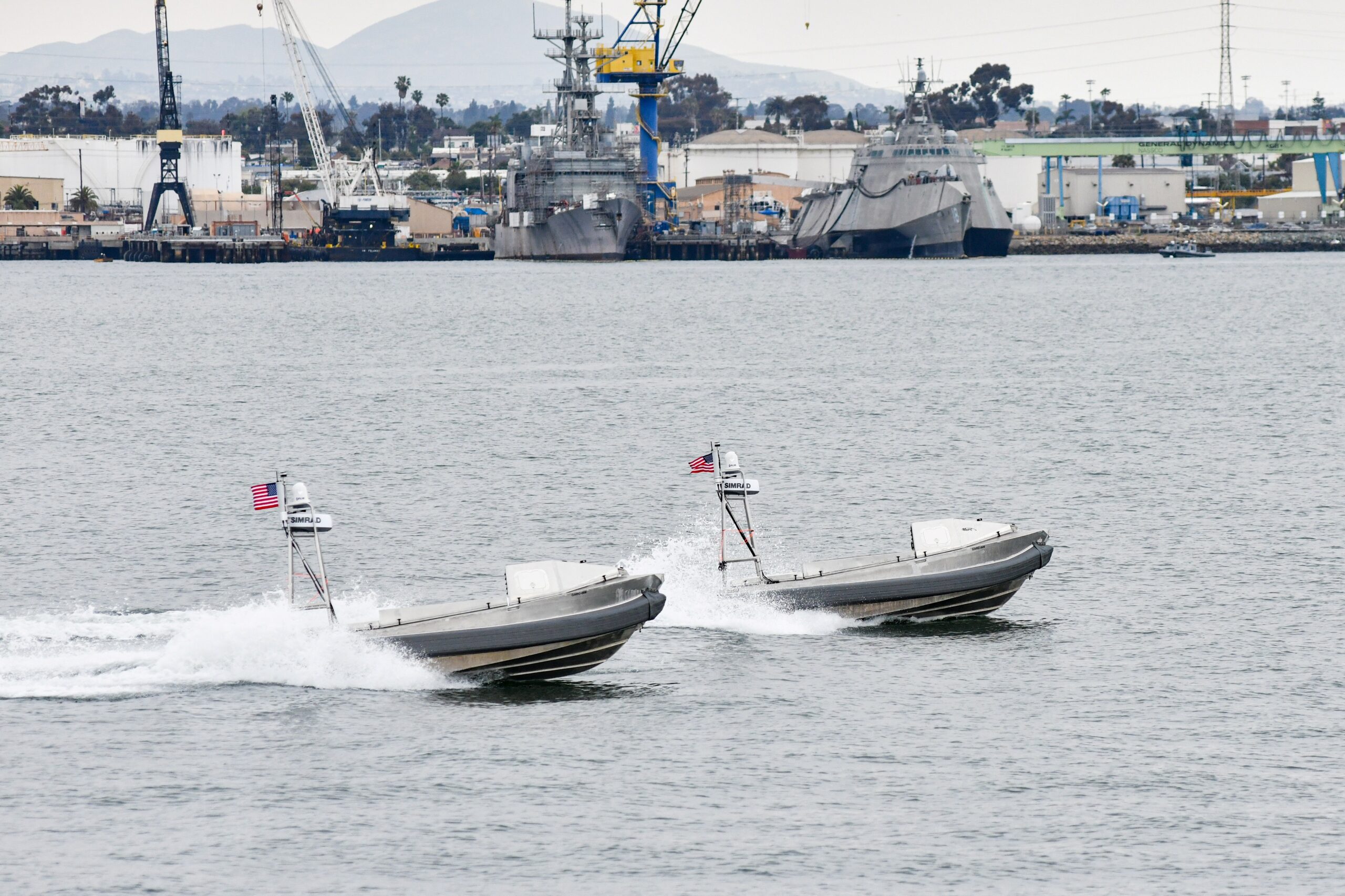
In an era where unmanned systems are redefining the landscape of military operations, the U.S. Navy's recent call for a vendor-neutral maintenance framework for Unmanned Surface Vessels (USVs) signals a pivotal shift in how defense systems are managed and maintained. This initiative not only aims to enhance operational efficiency but also opens the door to increased competition among contractors, ensuring that the Navy can leverage the best technological advancements while maintaining budgetary discipline.
The Navy's recognition of the need for a vendor-neutral approach comes at a critical juncture as maritime threats evolve and the demand for agile naval capabilities escalates. Traditional maintenance frameworks often tether the military to specific vendors, which can stifle innovation and lead to longer downtimes. By seeking a vendor-neutral solution, the Navy is positioning itself to adopt a more flexible, adaptable approach to maintenance that can accommodate a diverse range of USV technologies from various manufacturers.
This initiative underscores the Navy's commitment to modernization and readiness. A vendor-neutral framework not only allows for a broader pool of expertise and technology but also promotes interoperability among various unmanned systems. In an operational theater where speed and adaptability are paramount, having the ability to integrate and maintain a variety of USVs without being confined to a single vendor's ecosystem can significantly enhance mission effectiveness.
Moreover, this strategy aligns with broader trends in defense procurement, where adaptability and cost-effectiveness are increasingly prioritized. The rise of advanced technologies such as artificial intelligence, machine learning, and autonomous systems necessitates a maintenance framework that can quickly integrate these advancements. The Navy's approach could serve as a model for other branches of the military and allied forces, potentially leading to a more standardized and efficient maintenance protocol across various platforms.
For builders, investors, and defense industry professionals, this development presents a significant opportunity. Companies that can offer innovative maintenance solutions and services tailored to a vendor-neutral environment stand to benefit substantially. As the Navy refines its requirements and standards, there will be ample opportunities for partnerships and collaborations that can shape the future of naval operations.
Looking ahead, the successful implementation of this vendor-neutral framework could revolutionize how the Navy—and potentially other military branches—approaches unmanned systems maintenance. As the defense sector continues to embrace technological advancement, the ability to maintain operational readiness through a flexible and inclusive framework will be crucial in addressing the complex challenges of modern warfare. The Navy's proactive stance is not just a response to current demands but a strategic move towards a more resilient and capable maritime force.