Navy Reveals Long-Term MUSV Fleet Size; Using OTA For Off The Shelf Vehicles
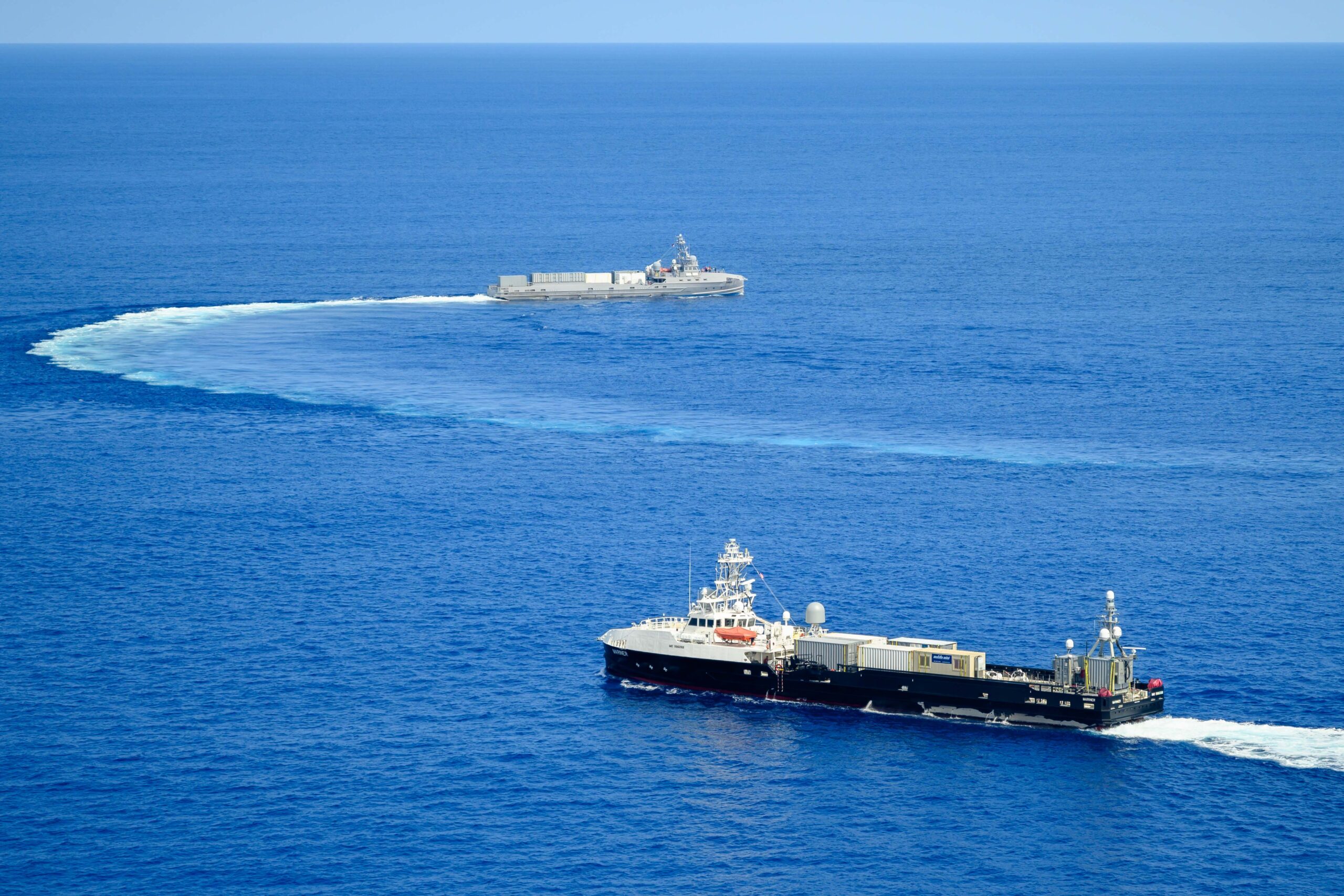
In a significant move that underscores the evolving landscape of naval warfare, the U.S. Navy has publicly disclosed its long-term strategy for the Medium Unmanned Surface Vehicle (MUSV) fleet. The announcement reveals plans to procure a fleet of 30 MUSVs, integrating these vessels into naval operations to enhance maritime capabilities. This decision aligns with the Navy's broader goals of modernization and increased operational flexibility, positioning the service to leverage unmanned systems in a rapidly changing threat environment.
The Navy's commitment to the MUSV fleet is not just about expanding its inventory of vessels; it reflects a strategic pivot towards integrating advanced technologies that can operate autonomously or with minimal human intervention. By utilizing Other Transaction Authority (OTA) agreements to acquire off-the-shelf vehicles, the Navy aims to expedite procurement processes and reduce costs associated with traditional military contracts. This approach not only enhances the speed of innovation but also encourages participation from commercial industry players, fostering a more competitive environment that can drive technological advancements.
Why does this matter to the defense and aerospace communities? The Navy’s emphasis on unmanned systems is indicative of a broader trend across military branches, where automation and artificial intelligence are increasingly seen as vital components for future warfare. The integration of MUSVs not only allows for enhanced surveillance and reconnaissance capabilities but also enables the Navy to conduct complex missions with reduced risk to personnel. As potential adversaries continue to develop sophisticated naval capabilities, having a robust MUSV fleet will be essential in maintaining maritime dominance.
Moreover, the use of OTA for off-the-shelf vehicles signals a shift in how the military engages with the defense industrial base. By tapping into existing technologies and rapidly deploying them before they become obsolete, the Navy can remain agile in a fast-paced technological landscape. This model encourages innovation from a diverse range of companies, including startups and established defense contractors alike, which could lead to breakthroughs in unmanned systems that would not have been possible under traditional procurement methods.
As we look to the future, the successful implementation of the MUSV fleet will depend not only on technological advancements but also on strategic partnerships between the Navy and industry. Stakeholders must remain vigilant in their efforts to foster collaboration and ensure that the necessary infrastructure and support systems are in place. The Navy’s decision to move forward with a substantial MUSV fleet is a pivotal moment, marking a potential turning point in naval operations that could redefine maritime engagement for years to come.
In conclusion, the Navy's unveiling of its long-term MUSV fleet strategy, combined with an innovative procurement approach, is a clear indication that the future of naval warfare will be heavily influenced by unmanned systems. As builders, investors, and professionals in the defense sector, we must embrace these developments and seek ways to contribute to this transformative era in maritime defense.