Army Confirms FY ‘27 Chinook Request Covers Five MH-47Gs, No New CH-47F Block IIs
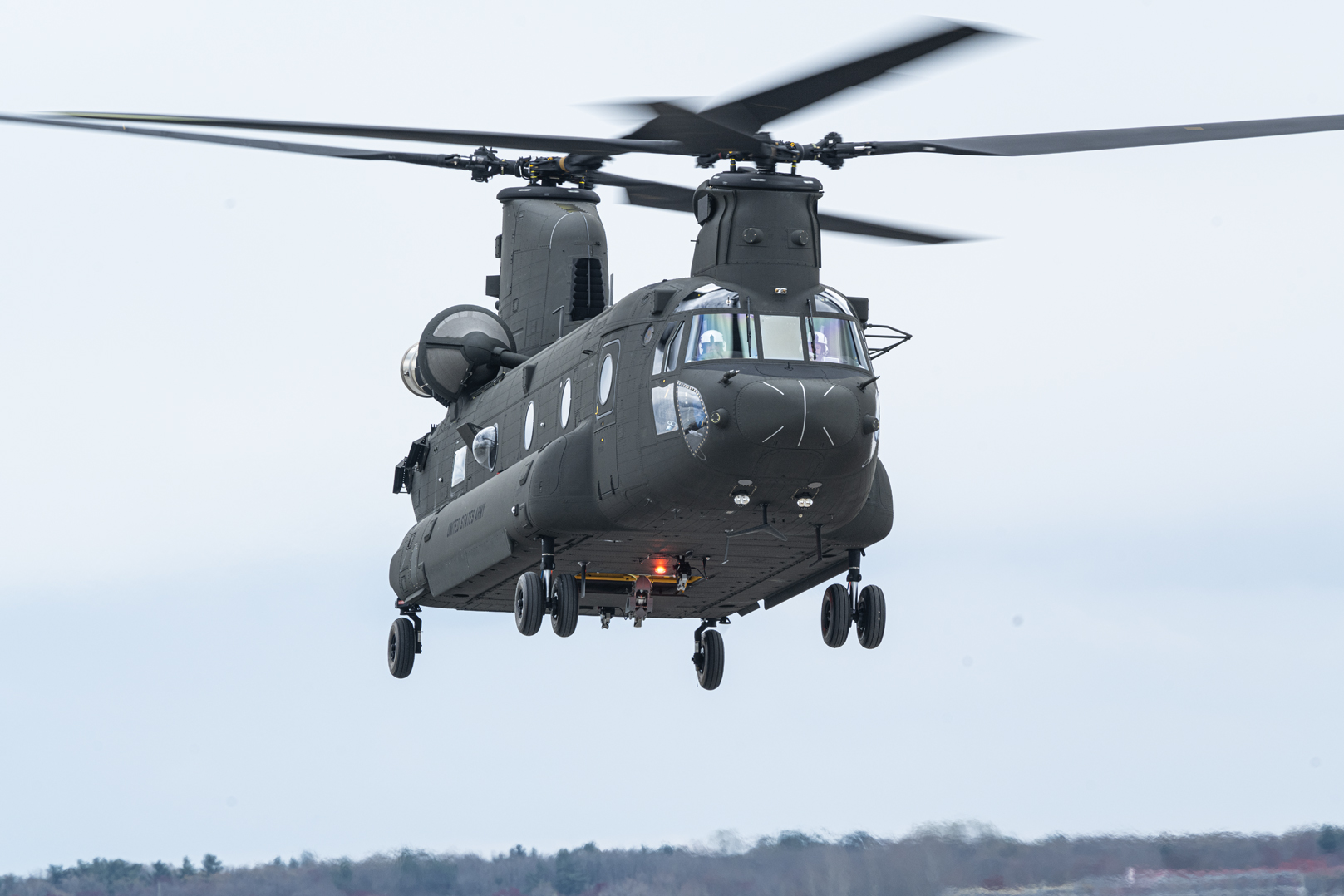
In a strategic shift that underscores the U.S. Army's evolving operational needs, the Army has confirmed its fiscal year 2027 budget request focuses on acquiring five MH-47G Chinook helicopters, while notably omitting any plans for new CH-47F Block II models. This decision reflects a prioritization of specialized capabilities over broader fleet expansion, emphasizing the Army's commitment to enhancing its special operations aviation capabilities amidst a rapidly changing global security landscape.
The MH-47G variant, specifically designed for special operations, boasts advanced features such as improved avionics, enhanced survivability systems, and the capacity to operate in diverse and challenging environments. By directing resources toward these five units, the Army aims to bolster its ability to conduct critical missions, from troop transport to logistical support in high-threat scenarios. The decision to forego new CH-47F Block IIs suggests a pivot away from conventional troop transport, signaling a potential shift in focus towards more specialized, mission-driven aircraft.
This strategic decision comes at a time when the Army is grappling with diverse threats, ranging from conventional state actors to non-state insurgent groups. The demand for versatility and rapid response capabilities has never been greater. The MH-47G's role as a force multiplier in special operations can significantly enhance the Army's operational readiness and effectiveness, particularly in regions requiring a nuanced approach to conflict and stability operations.
Investors and builders within the defense and aerospace sectors should take note of this shift. The focus on the MH-47G not only highlights the Army's commitment to special operations but also signals potential opportunities for defense contractors specializing in upgrades and support for existing Chinook platforms. Companies involved in aerospace technologies, avionics enhancements, and survivability systems may find new avenues for growth as the Army seeks to modernize and adapt its fleet to meet evolving challenges.
Moreover, this budgetary decision may have implications for the broader defense industry, as it reflects the Army's strategic priorities and may influence procurement decisions across other branches of the military. As the Army continues to refine its approach to modernization, stakeholders in the defense and aerospace sectors should remain vigilant, as this may signal a larger trend toward niche capabilities over traditional fleet expansions.
Looking ahead, the decision to acquire additional MH-47Gs while forgoing new CH-47F Block IIs could be a harbinger of a more specialized military approach that prioritizes operational effectiveness over sheer numbers. As global security dynamics continue to shift, the defense community must adapt accordingly, ensuring that the technologies and platforms being developed align with the operational realities faced by our armed forces.