Navy Awards HII $283 Million To Start Work On New Frigate
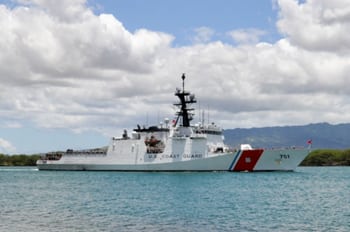
In a significant leap forward for the U.S. Navy's modernization efforts, Huntington Ingalls Industries (HII) has been awarded a substantial $283 million contract to commence work on the new Constellation-class frigate. This contract marks a pivotal moment not only for HII but also for the Navy as it seeks to enhance its surface fleet capabilities in an increasingly competitive global maritime environment. The Constellation-class frigates are designed to address modern warfare needs, incorporating advanced technologies and systems to ensure operational readiness and tactical flexibility.
The decision to invest in the Constellation-class is rooted in the Navy's strategic imperative to expand and modernize its fleet in response to evolving threats. The frigates are set to play a crucial role in naval operations, serving as multi-mission platforms capable of anti-surface, anti-submarine, and anti-air warfare. With rising tensions in various regions of the world, including the Indo-Pacific and Europe, the Navy's ability to deploy advanced surface combatants is more critical than ever. This investment reflects a broader trend within the defense sector to prioritize technological advancements and operational versatility.
For builders and investors in the defense and aerospace sectors, this contract is a clear signal of the Navy's commitment to its shipbuilding initiatives. The funding will not only support the construction of the new frigates but also stimulate job creation and economic activity across the supply chain. HII's role in this program highlights the importance of partnerships between the government and private industry in delivering cutting-edge military capabilities. As the shipbuilding industry faces challenges related to workforce and materials, such contracts can provide much-needed stability and growth opportunities.
Moreover, the Constellation-class frigates will incorporate state-of-the-art technologies, including advanced radar systems and integrated combat systems, which are essential for modern warfare. The implementation of these technologies is expected to enhance situational awareness and decision-making capabilities for naval commanders. As the defense community looks towards future conflicts, the importance of such advancements cannot be overstated. The integration of innovative technologies will ensure that the U.S. Navy maintains its strategic advantage over potential adversaries.
Looking ahead, the award to HII is not just a milestone for the company but a reflection of the Navy's broader strategic vision. As the defense sector continues to evolve, the emphasis on modernization and technological superiority will remain paramount. The Constellation-class frigates are a testament to the Navy's commitment to meeting contemporary challenges and ensuring maritime security. For stakeholders in the defense industry, this development presents an opportunity to engage with a program that promises to shape the future of naval warfare.
In conclusion, the $283 million contract awarded to HII for the Constellation-class frigate represents a critical step in bolstering the U.S. Navy's fleet capabilities. As we move forward, the collaboration between industry and government will be vital in realizing the full potential of these advanced platforms, ensuring that the Navy is well-equipped to face the complexities of modern warfare. The implications of this contract extend beyond immediate shipbuilding; they signal a commitment to innovation and readiness that will benefit the entire defense landscape.