Master Boat Builders To Start Fabricating Modules For Austal’s Navy Orders
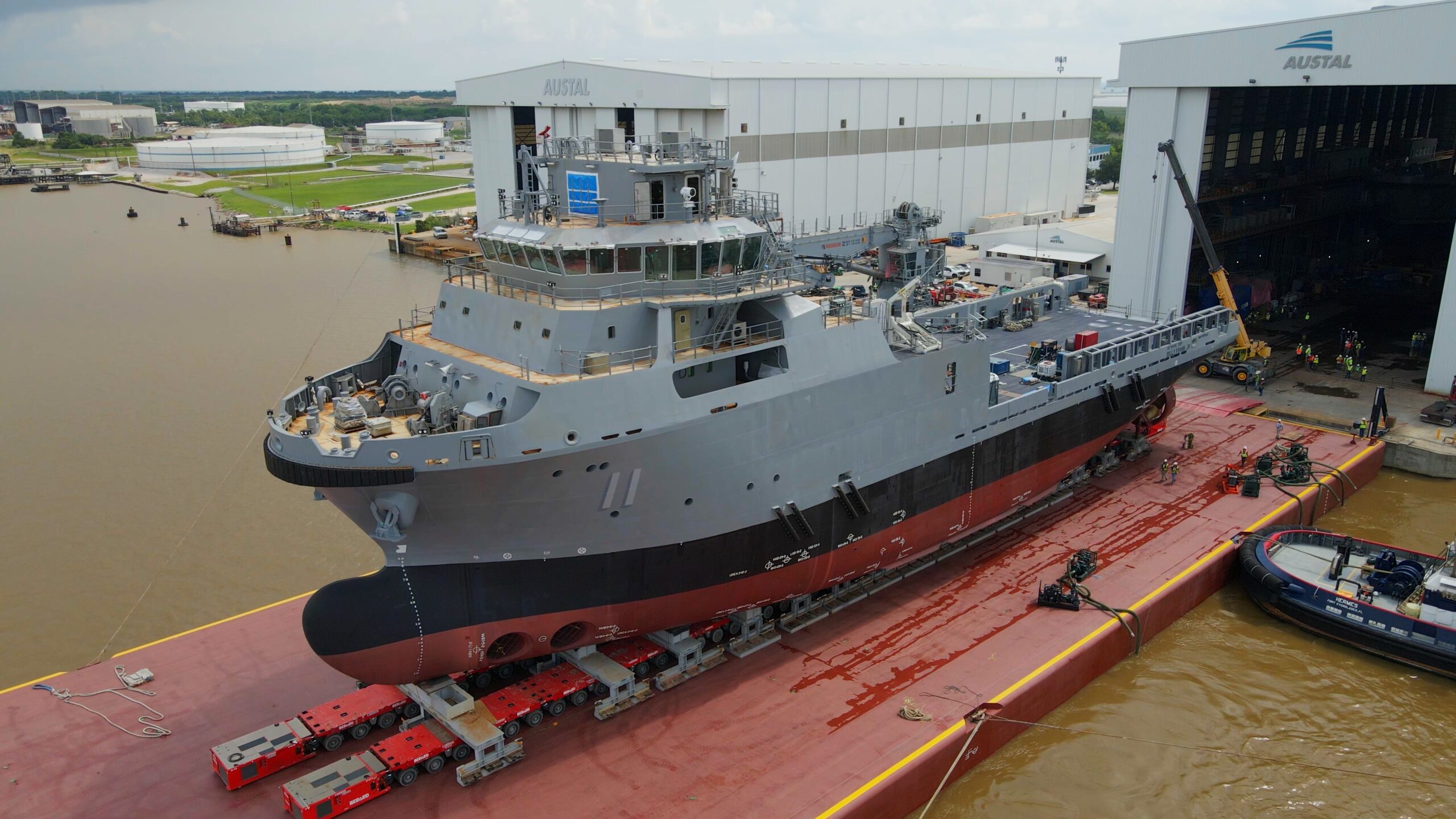
In a significant development for the U.S. naval shipbuilding industry, Master Boat Builders (MBB) has announced plans to begin fabricating modules for Austal USA’s recent Navy orders. This strategic collaboration marks a pivotal moment for both companies, emphasizing the need for agility and innovation in defense manufacturing. As global maritime threats evolve, the United States Navy is tasked with ensuring its fleet remains technologically advanced and operationally capable, making this partnership a vital component of the broader defense landscape.
Austal USA, known for its cutting-edge ship designs and construction techniques, has consistently delivered vessels that meet the rigorous demands of modern naval operations. With the Navy's increasing focus on multi-domain operations and the integration of advanced technologies, the collaboration with MBB not only streamlines production efficiency but also enhances the overall capacity of the U.S. shipbuilding industrial base. MBB's expertise in modular construction is expected to accelerate the delivery timelines for these vessels, which is crucial in a period marked by heightened geopolitical tensions.
The decision to engage Master Boat Builders signals a recognition of the importance of not just speed, but also quality in defense manufacturing. As defense budgets continue to tighten and the need for rapid deployment of naval assets grows, partnerships that leverage specialized capabilities will be essential. MBB’s facility in Louisiana will play a crucial role, enabling Austal to optimize its resources and focus on final assembly and integration, thereby maximizing operational effectiveness.
The implications of this partnership extend beyond the immediate benefits of increased production capacity. It reflects a broader trend within the defense sector toward collaborative ecosystems that blend traditional manufacturing with innovative approaches. As companies increasingly embrace modular construction techniques, the potential for reduced costs and enhanced flexibility in ship design becomes apparent. This evolution in shipbuilding practices not only meets the demands of the Navy but also positions the U.S. defense industry to compete more effectively in an international marketplace where speed and adaptability are paramount.
Looking ahead, this collaboration between Master Boat Builders and Austal USA serves as a blueprint for future partnerships within the defense sector. As the U.S. Navy continues to modernize its fleet in response to emerging threats, the ability to produce sophisticated vessels at a faster pace will be critical. Moreover, the integration of advanced technologies—such as automation and digital twin simulations—into the shipbuilding process will further enhance efficiency and capability. The defense community should view this partnership as a promising development, reinforcing the notion that collaboration, innovation, and adaptability will be key drivers of success in the evolving landscape of naval warfare.
In conclusion, Master Boat Builders’ involvement in fabricating modules for Austal’s Navy orders is not just a business decision; it represents a strategic response to the pressing needs of defense readiness and technological advancement. As we watch this partnership unfold, it is clear that the future of naval shipbuilding will be characterized by collaborative efforts that harness the best of both traditional and modern manufacturing techniques, ensuring the U.S. Navy remains at the forefront of maritime security.