Lockheed Nabs $53.9 Billion Add To PAC-3 MSE Deal, Boosts Multi-Year Award To Nearly $59 Billion
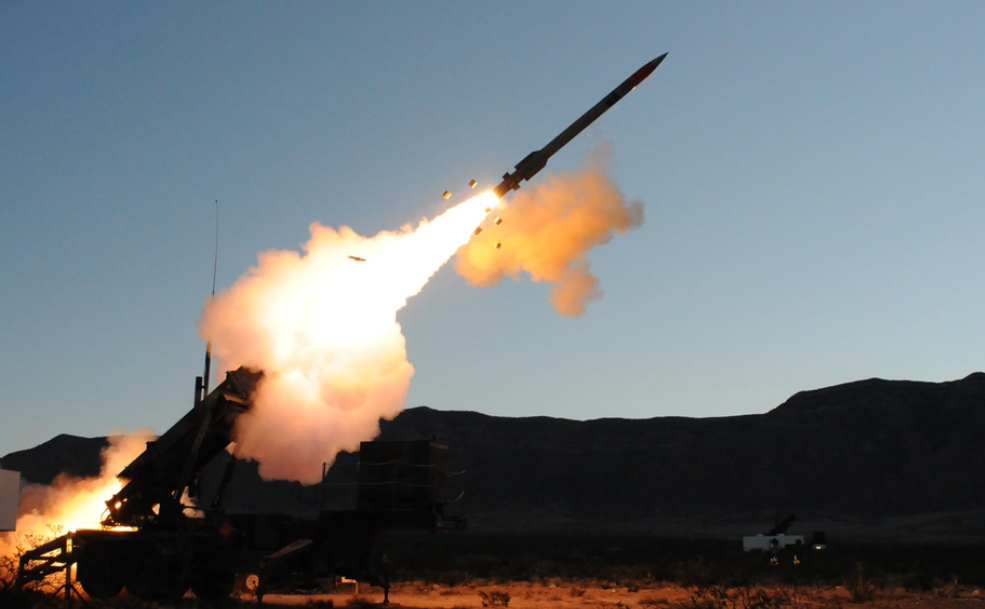
In a significant development for the defense sector, Lockheed Martin has secured a monumental $53.9 billion addition to its existing PAC-3 Missile Segment Enhancement (MSE) contract. This new award not only bolsters Lockheed's portfolio but also elevates the total multi-year agreement to nearly $59 billion. This strategic move underscores the growing emphasis on advanced missile defense systems amid escalating global security challenges, positioning Lockheed as a pivotal player in the aerospace and defense landscape.
The PAC-3 MSE is a crucial component of the U.S. Army’s Integrated Air and Missile Defense (IAMD) strategy, which aims to protect against evolving threats from ballistic and cruise missiles. This latest infusion of funding will enhance the production capabilities of the PAC-3 MSE interceptors, which are designed to provide a robust defense against a variety of aerial threats. The extension of this contract is particularly timely, as nations around the world are increasingly prioritizing air defense systems to safeguard their sovereignty and critical infrastructure.
Lockheed's impressive contract won’t just benefit the company’s bottom line; it will also have significant implications for U.S. military readiness and international defense collaboration. The increased production of the PAC-3 MSE interceptors will enable enhanced supply chains, creating jobs and stimulating economic growth within the defense sector. Moreover, as allied nations seek to bolster their own defense capabilities, they are likely to turn to Lockheed’s offerings, thereby expanding the company’s international market share and reinforcing global defense partnerships.
From a technological perspective, this contract extension signifies a commitment to innovation in missile defense systems. Lockheed Martin has consistently demonstrated its dedication to research and development, ensuring that its systems remain at the forefront of technological advancements. The PAC-3 MSE's enhanced capabilities will not only improve interception success rates but also ensure compatibility with next-generation warfare tactics and technologies.
As we look to the future, the implications of this substantial contract for Lockheed Martin extend beyond immediate financial gains. It highlights a broader trend in defense spending, particularly in missile defense, as nations recognize the importance of safeguarding their borders against sophisticated threats. This commitment to investing in advanced defense technologies will likely spur further innovation and competition within the aerospace and defense sectors, benefiting builders, investors, and defense professionals alike.
In conclusion, Lockheed Martin's $53.9 billion addition to the PAC-3 MSE deal not only solidifies its leading position in missile defense but also represents a crucial step forward for national and global security. As defense budgets continue to rise, stakeholders within the industry must remain agile, leveraging this momentum to push for advancements that ensure preparedness against an increasingly uncertain security landscape.