Lockheed Martin Demonstrates Successful Drone Intercept With Sanctum System
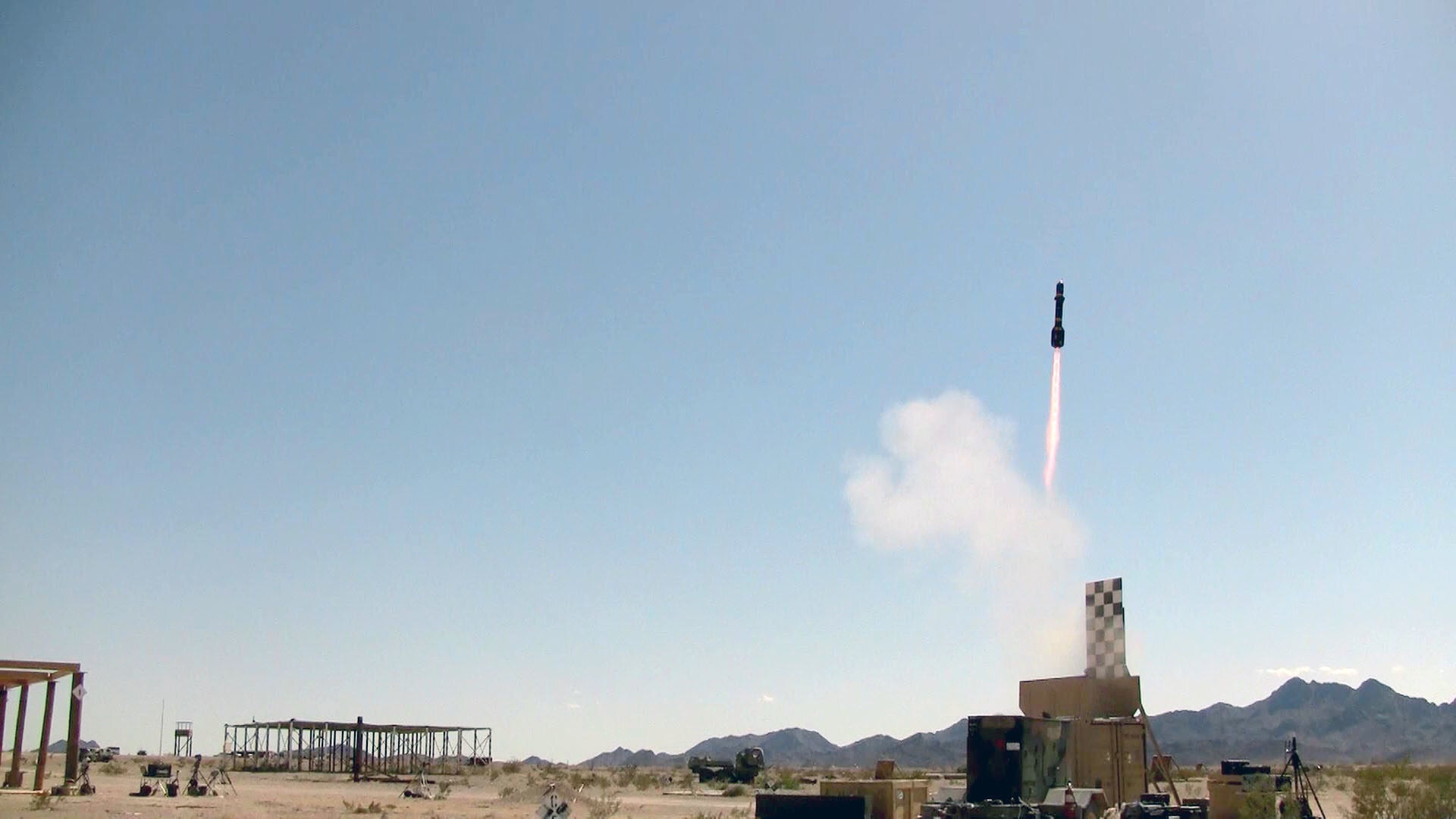
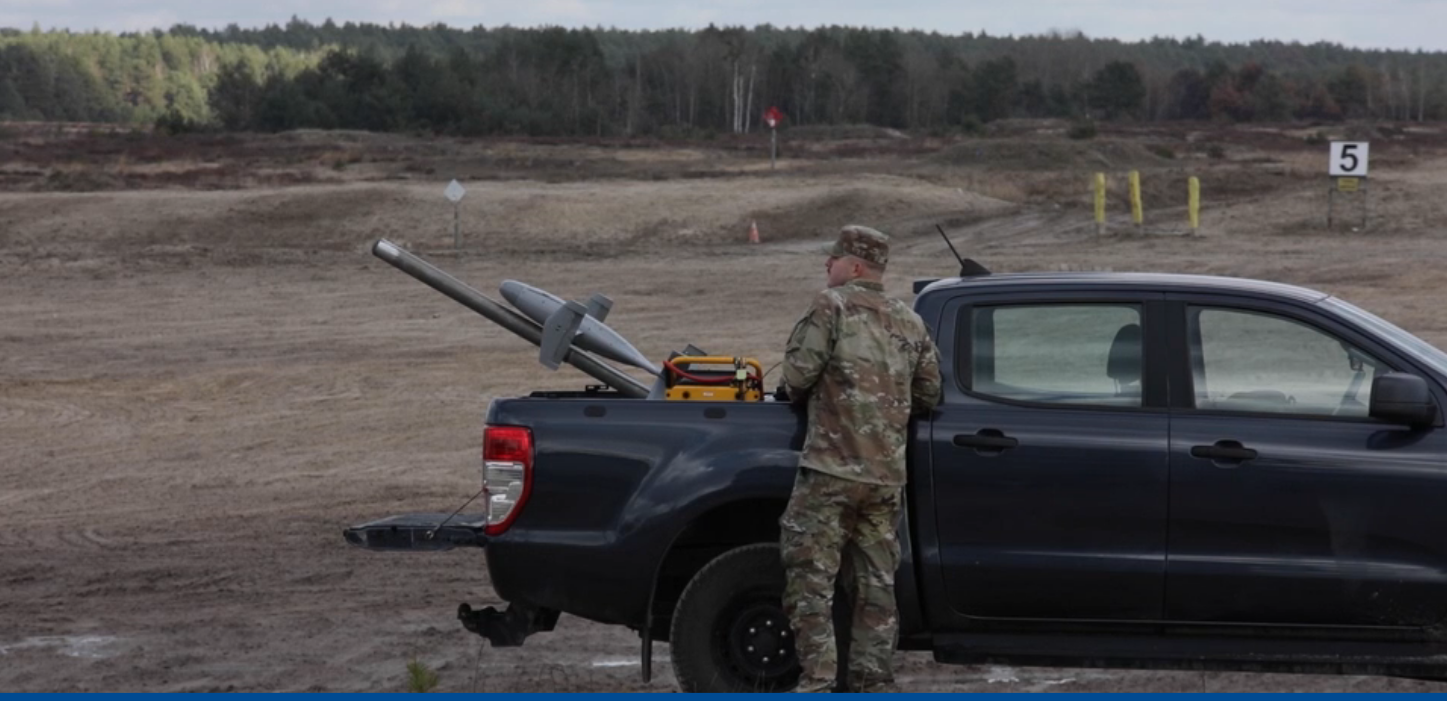
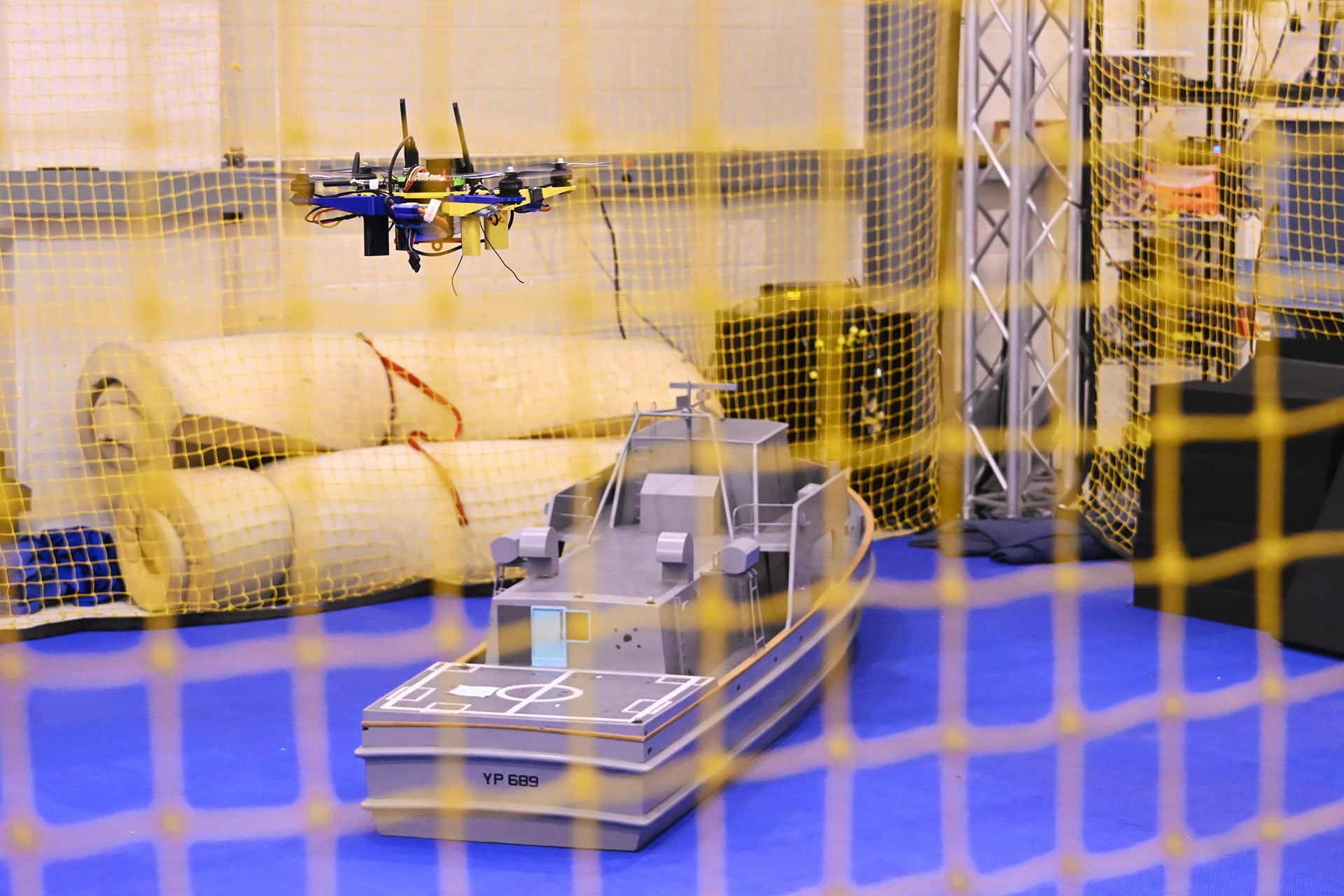
In an era where unmanned aerial vehicles (UAVs) are reshaping the battlefield and civilian airspace alike, Lockheed Martin's recent successful demonstration of its Sanctum system offers a promising glimpse into how defense technology can adapt to new threats. The Sanctum system is designed to intercept and neutralize rogue drones, a capability that has become increasingly critical as the proliferation of drones poses both security risks and operational challenges for military and civilian entities. This demonstration not only underscores Lockheed Martin's commitment to cutting-edge defense solutions but also highlights the growing need for robust counter-drone technologies in an evolving threat landscape.
The Sanctum system integrates advanced sensors and interceptors to track and eliminate unauthorized UAVs. Lockheed Martin's successful demonstration showcases the system's ability to operate effectively in contested environments, a key requirement for modern military operations. As drones become more accessible and versatile, they have been employed in various roles, from surveillance to potential terrorist attacks. The effectiveness of Sanctum in intercepting these threats could provide military and law enforcement agencies with a reliable solution to safeguard airspace integrity.
This development comes at a time when governments and defense contractors are prioritizing investments in technologies that address asymmetric threats. The increasing frequency of drone-related incidents has prompted a reevaluation of existing defense strategies, making the Sanctum system's capabilities particularly relevant. Moreover, with the global drone market projected to grow significantly in the coming years, investing in counter-drone technologies is not just a tactical imperative but also a strategic necessity for nations to maintain air superiority.
Lockheed Martin's initiative also reflects broader trends in the defense industry, where innovation is increasingly driven by the need to counter evolving threats. The company’s ability to integrate existing technologies into a cohesive counter-drone system illustrates the importance of adaptability in defense procurement. Additionally, as governments look to modernize their armed forces, partnerships between defense contractors and tech firms will be critical in developing next-generation systems that meet the demands of modern warfare.
As we look to the future, the implications of the Sanctum system extend beyond military applications. Civilian sectors, including infrastructure protection and event security, stand to benefit from enhanced drone interception technologies. With the potential for regulatory frameworks to evolve around drone usage, technologies like Sanctum could play a pivotal role in shaping airspace policies and ensuring safety. Ultimately, Lockheed Martin’s demonstration serves as a catalyst for discussions around the responsible integration of drones in both military and civilian airspaces, emphasizing the need for comprehensive strategies that protect against misuse.
In conclusion, as the defense industry continues to innovate in response to emerging threats, Lockheed Martin's Sanctum system exemplifies the proactive measures being taken to ensure airspace security. By investing in and developing advanced counter-drone technologies, defense contractors not only enhance military capabilities but also contribute to the broader safety and security landscape. The successful demonstration of the Sanctum system is a significant step forward in addressing the challenges posed by unmanned systems, offering a glimpse into the future of defense technology as we adapt to a rapidly changing world.