LITENING Large Aperture Pod, In USAF Operational Testing, May Aid C-UAS, Northrop Grumman Official Says
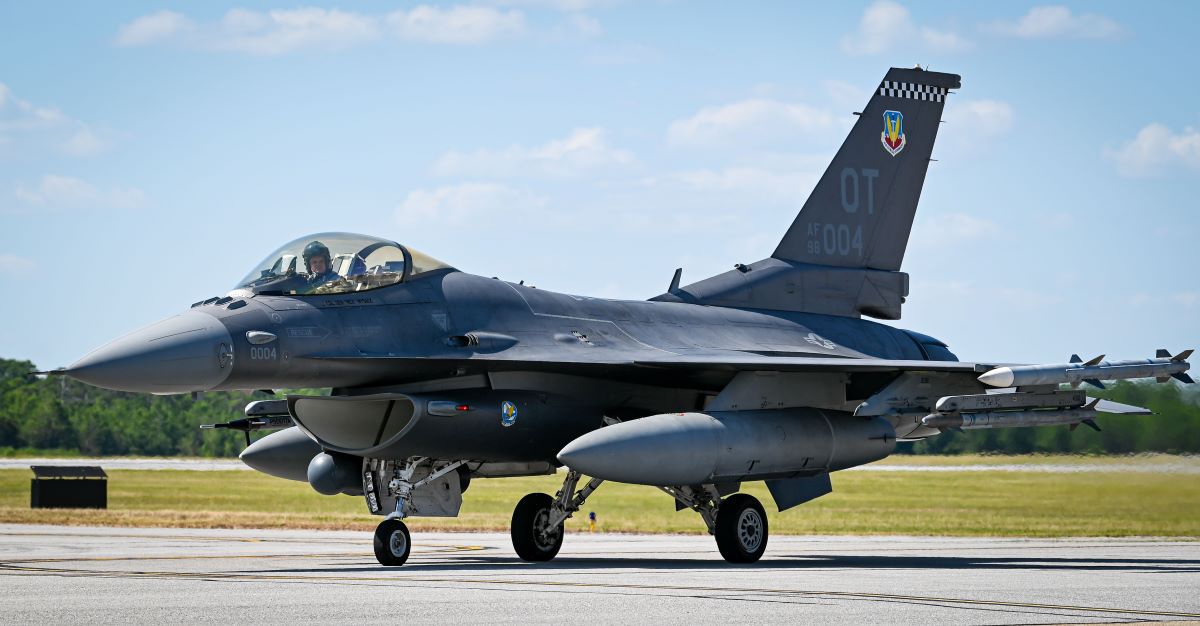
In an era where the threat landscape is evolving at an unprecedented pace, the need for advanced surveillance and targeting capabilities has never been more critical. The LITENING Large Aperture Pod, currently undergoing operational testing with the U.S. Air Force (USAF), stands at the forefront of this effort. Developed by Northrop Grumman, this sophisticated system is not only enhancing traditional air combat operations but also holds promise for counter-unmanned aerial systems (C-UAS) missions, a growing concern for military planners worldwide.
The LITENING pod, with its state-of-the-art sensor technology, offers high-resolution imagery and real-time data analysis, which are essential for modern warfare. As adversaries increasingly employ drones and other unmanned systems, the ability to detect, track, and neutralize these threats becomes paramount. Northrop Grumman officials have highlighted that the LITENING's capabilities could significantly enhance the USAF's operational effectiveness against these emerging threats, making it a vital asset in the air superiority toolkit.
Contextually, the operational testing phase of the LITENING pod is particularly relevant given the recent uptick in drone incursions across various theaters of conflict. From urban environments to remote military bases, the proliferation of unmanned systems poses unique challenges that traditional defense mechanisms struggle to address. The integration of the LITENING pod could provide USAF operators with a tactical edge, allowing them to leverage advanced targeting and surveillance capabilities to mitigate risks posed by hostile drones.
Moreover, the development of the LITENING pod underscores a broader trend within the defense industry towards multi-role systems that can adapt to a variety of mission profiles. As budget constraints continue to shape defense spending, the ability to utilize a single platform for multiple applications—such as reconnaissance, targeting, and C-UAS operations—represents a strategic advantage for military forces. This adaptability not only enhances mission efficiency but also maximizes the return on investment in defense technologies.
Looking ahead, the successful integration of the LITENING pod into operational frameworks could catalyze further advancements in air combat and counter-drone strategies. As defense agencies globally seek innovative solutions to counter the multifaceted challenges of modern warfare, systems like LITENING will likely play a pivotal role in shaping the future landscape of aerial operations. The ongoing evaluation and potential deployment of this technology could very well redefine how air forces engage in both traditional and asymmetric warfare scenarios, making it a critical area of interest for builders, investors, and defense industry professionals alike.
In conclusion, the LITENING Large Aperture Pod's operational testing represents more than just a technological advancement; it signals a shift in how military forces will approach the complex challenges posed by evolving threats. As we move forward, the defense and aerospace sectors must remain vigilant in adapting to the dynamics of warfare, ensuring that solutions like the LITENING pod are not just innovations of the moment, but integral components of future operational strategies.