Leidos Partners With Havoc To Enhance Autonomous Capabilities On USVs
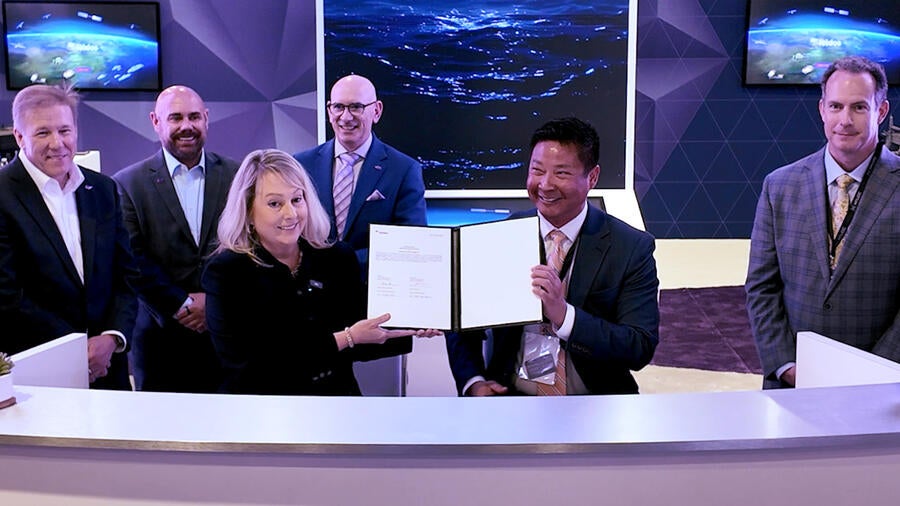
In a significant development for the unmanned maritime systems sector, Leidos has announced a partnership with Havoc to bolster the autonomous capabilities of Unmanned Surface Vessels (USVs). This collaboration underscores a growing trend within the defense industry, where the integration of advanced technologies is not merely enhancing operational effectiveness but is also reshaping naval tactics and strategies. As the geopolitical landscape continues to evolve, the need for adaptable and innovative maritime solutions has never been more critical.
Leidos, a prominent player in the defense sector, has long been at the forefront of integrating cutting-edge technology into military applications. By partnering with Havoc, a specialist in autonomous systems, Leidos aims to enhance the functionality and versatility of USVs. These vessels, capable of operating without direct human control, are increasingly being recognized for their potential roles in reconnaissance, surveillance, and even combat operations. The partnership is poised to leverage Havoc's expertise in machine learning and artificial intelligence, providing USVs with advanced decision-making capabilities that can operate in complex maritime environments.
The implications of this partnership extend beyond mere technological advancements. The defense industry is witnessing a paradigm shift as traditional naval force structures are challenged by the rise of unmanned systems. As nations invest in autonomous technologies, the US military must ensure it remains at the forefront of this transformation. The infusion of enhanced autonomous capabilities into USVs could provide the U.S. Navy with a strategic edge, enabling it to conduct missions with reduced risk to personnel and increased operational tempo. Moreover, as adversaries around the globe accelerate their own developments in unmanned systems, this partnership represents a proactive step in maintaining maritime superiority.
This collaboration also highlights the importance of public-private partnerships in advancing defense capabilities. As government budgets become tighter, leveraging the innovation and agility of private companies is essential for keeping pace with rapidly evolving threats. The partnership between Leidos and Havoc exemplifies how industry leaders can come together to create solutions that address pressing national security challenges. For investors and builders within the defense and aerospace sectors, this move indicates a fertile ground for future investments in autonomous technologies, which are likely to see increased demand as military strategies continue to evolve.
As we look to the future, the potential applications of enhanced autonomous capabilities on USVs are vast. From anti-submarine warfare to logistical support missions, the versatility of these vessels will only increase as technologies mature. However, this evolution will require careful consideration of operational protocols, ethical implications, and the integration of human oversight. The balance between autonomy and human decision-making will be critical in ensuring that these systems are used effectively and responsibly.
In conclusion, the partnership between Leidos and Havoc represents a pivotal moment for the defense industry, particularly in the realm of unmanned maritime systems. As autonomous technologies continue to advance, the implications for naval warfare and defense strategies are profound. Industry stakeholders should closely monitor this partnership and others like it, as they will not only shape the future of military operations but will also offer insights into investment opportunities in a rapidly evolving technological landscape.