In apparent first, Navy drone boat rescues helicopter crew downed at sea
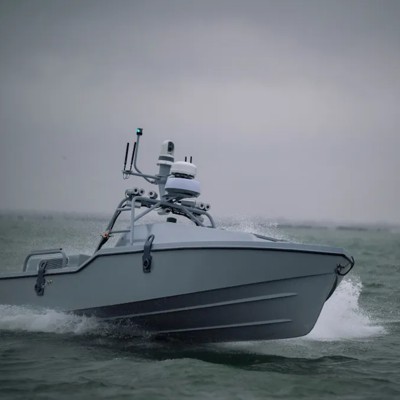
In a significant milestone for unmanned systems and maritime operations, the U.S. Navy recently showcased the capabilities of its drone boat technology by successfully rescuing a helicopter crew that had been downed at sea. This operation marks what appears to be the first instance of a drone vessel undertaking a rescue mission, a development that not only highlights the growing integration of autonomous systems in naval operations but also sets a precedent for future rescue missions where human lives are at stake.
The incident unfolded during routine training exercises, where a Navy helicopter encountered technical difficulties and was forced to ditch into the ocean. In a timely response, a Navy drone boat was dispatched to the location, effectively demonstrating its utility in rapid-response scenarios. This operation underscores the Navy's commitment to leveraging advanced technologies to enhance operational safety and effectiveness. With the increasing complexity of modern warfare and the need for rapid response capabilities, such innovations are crucial.
The integration of unmanned systems in rescue operations is particularly noteworthy for several reasons. First, it reduces the risk to human life by allowing unmanned assets to conduct dangerous missions that would otherwise require manned vessels. This capability is especially important in hostile environments where the threat to human rescuers could be significant. Moreover, the use of drone boats in this capacity exemplifies a shift in naval strategy towards more versatile and autonomous systems that can operate alongside traditional manned units.
This development also resonates within the broader context of the defense and aerospace industry, where the demand for unmanned systems is on the rise. As nations invest in advanced technologies to enhance their military capabilities, the emphasis on autonomous and semi-autonomous systems is becoming more pronounced. The successful rescue operation serves as an encouraging case study for defense contractors and technology investors, highlighting the potential for further innovation in unmanned maritime vehicles and their applications.
Looking ahead, the implications of this event are far-reaching. As the Navy continues to refine its operational strategies and incorporate more unmanned systems, we can anticipate a future where drone boats could play a critical role not just in rescue missions, but also in surveillance, logistics, and combat scenarios. This evolving landscape presents a unique opportunity for builders and investors within the defense sector to capitalize on the burgeoning market for unmanned maritime technologies. In a world where agility and rapid response are paramount, the integration of drone boats into the Navy's operational framework could very well redefine the standards of naval warfare and rescue operations.
In conclusion, the successful rescue of the helicopter crew by a Navy drone boat represents a pivotal moment for the U.S. military and unmanned operational capabilities. The defense and aerospace sectors must pay close attention to this development, as it signals an increasing reliance on autonomous systems that promise to enhance both operational safety and efficiency in the face of evolving threats.