How startups are reshaping the Pentagon’s drone industry
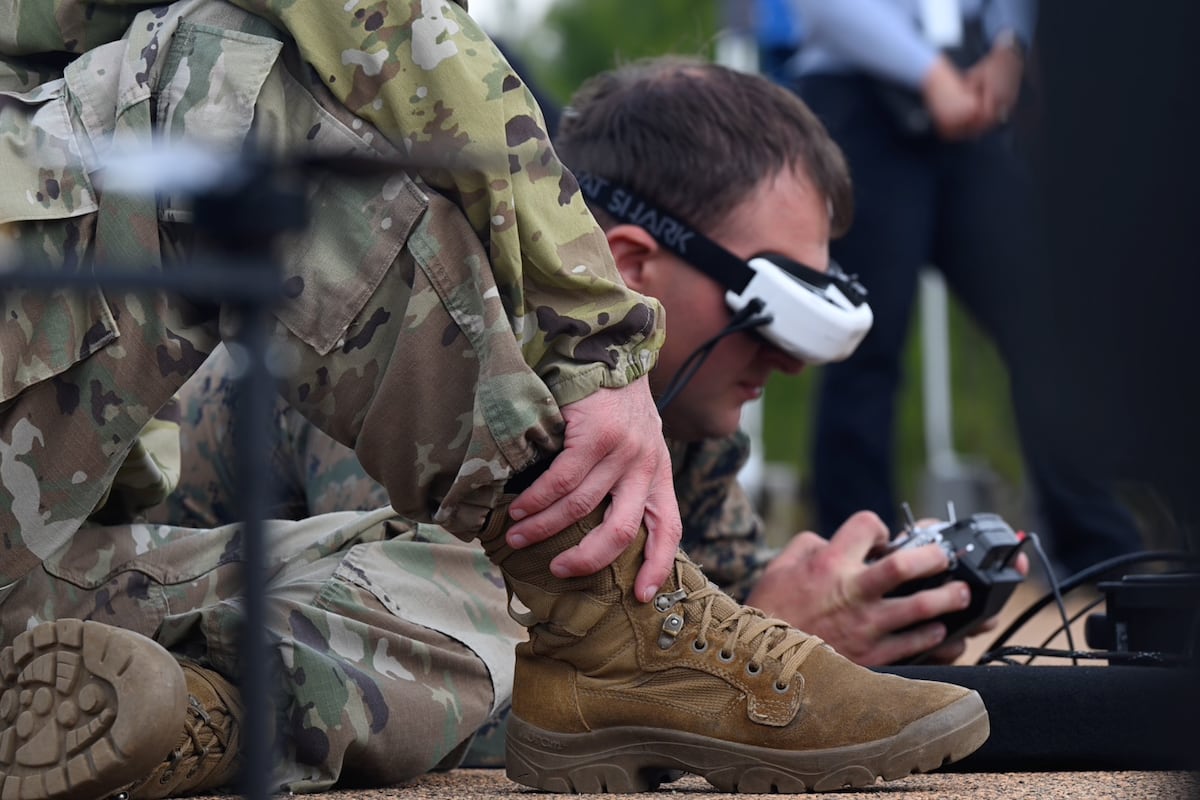
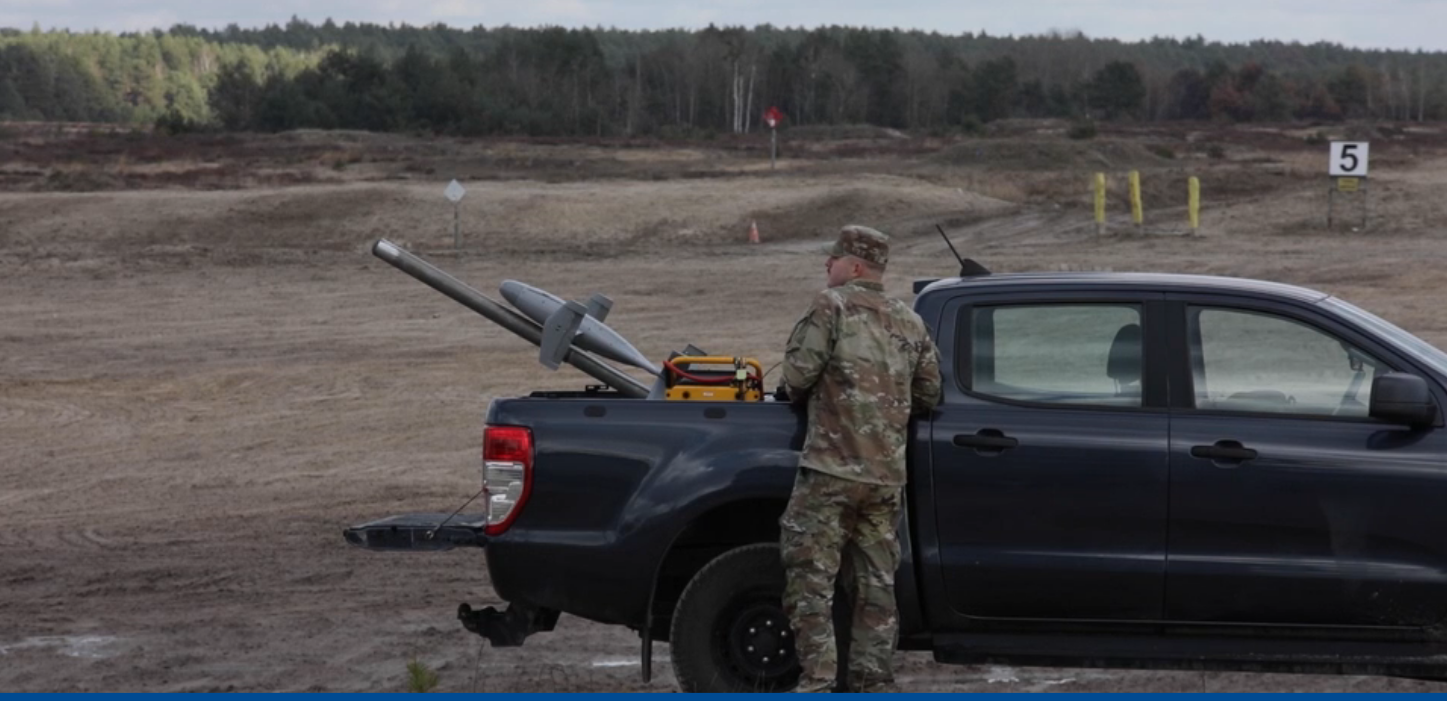
In a rapidly evolving technological landscape, the Pentagon is witnessing a paradigm shift in its drone industry, driven by a wave of innovative startups. These agile companies are not only challenging established defense contractors but are also redefining the operational capabilities of unmanned aerial vehicles (UAVs). With the global drone market expected to reach $42 billion by 2026, the implications for national security, military strategy, and defense procurement are profound.
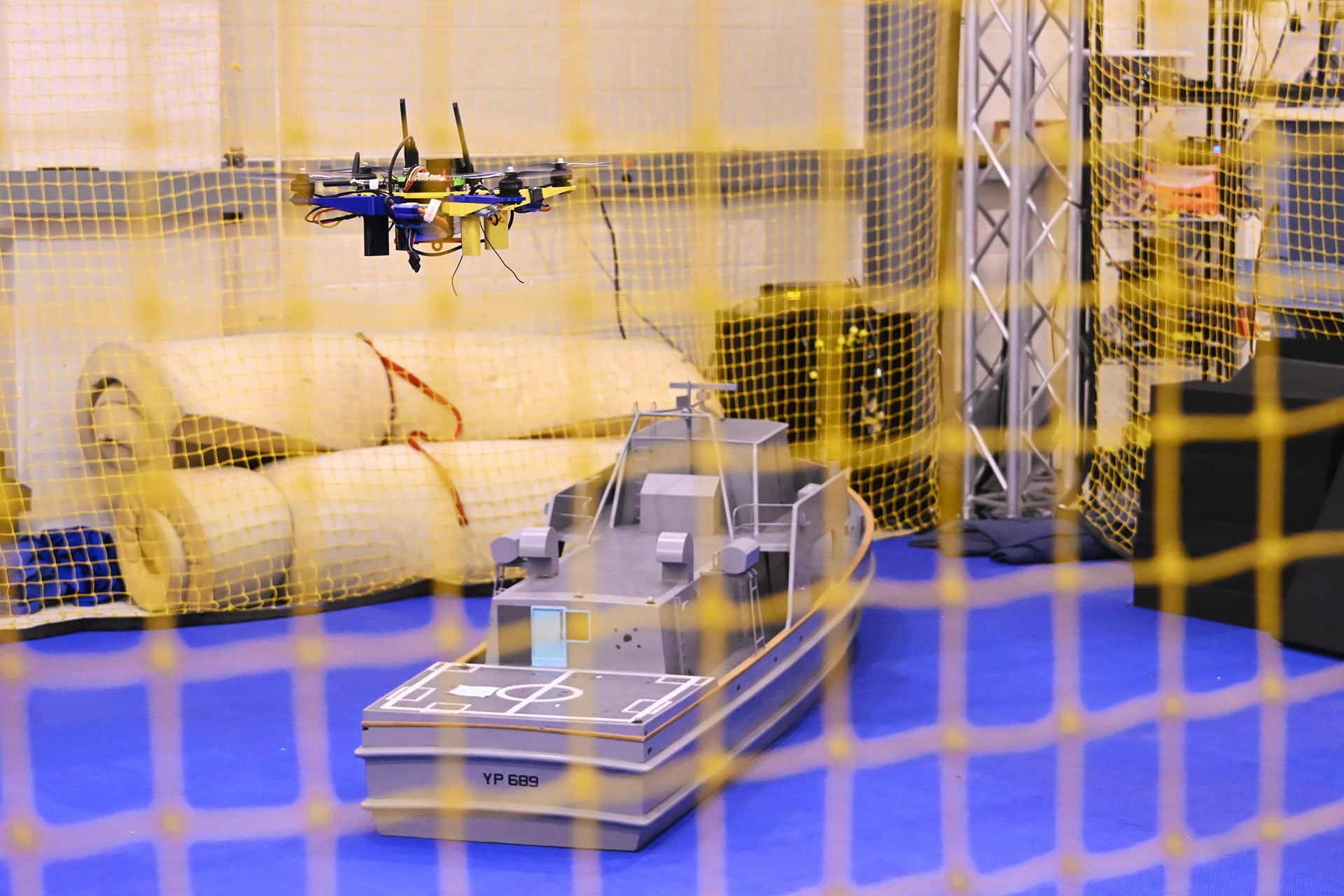
Startups are leveraging cutting-edge technologies such as artificial intelligence, machine learning, and advanced materials to create drones that are lighter, more adaptable, and significantly less expensive to produce. This new breed of UAVs is designed to meet the evolving demands of modern warfare, where the ability to gather intelligence, conduct surveillance, and engage targets in real-time is paramount. The introduction of these technologies not only enhances the capabilities of the U.S. military but also enables a more responsive and versatile approach to defense operations.
This shift towards startup innovation is particularly relevant as the Pentagon grapples with challenges related to budget constraints and the need for rapid deployment of advanced technologies. Traditional defense contractors, often encumbered by bureaucratic processes, may struggle to keep pace with the nimbleness and creativity exhibited by startups. By partnering with these emerging companies, the Pentagon can tap into fresh ideas and expedite the development of next-generation UAV systems that address the specific needs of modern military engagements.
Moreover, the integration of startups into the defense ecosystem fosters a culture of innovation that is essential for maintaining a technological edge over adversaries. As startups push the boundaries of what is possible in drone technology, they are also paving the way for a more collaborative environment where government, industry, and academia work together to solve complex defense challenges. This collaboration can lead to breakthroughs that not only enhance military effectiveness but also contribute to broader applications in commercial aviation and civilian drone operations.
Looking ahead, the continued rise of startups in the drone sector presents both opportunities and challenges for investors and defense industry professionals. As these companies vie for contracts and funding, the competition will likely intensify, leading to a more dynamic market landscape. However, it is crucial for stakeholders to remain vigilant about the regulatory and ethical implications of deploying drones in military operations. Balancing innovation with accountability will be key to ensuring that advancements in drone technology are used responsibly.
In conclusion, as startups reshape the Pentagon’s drone industry, their impact will resonate far beyond the battlefield. The fusion of technology, creativity, and collaboration has the potential to redefine how we think about defense capabilities in the 21st century. For builders, investors, and defense professionals, embracing this shift may not only lead to enhanced military readiness but also foster a more resilient and innovative defense industrial base.