Hegseth Establishes New Czar To Oversee Pentagon’s Unmanned Systems Work
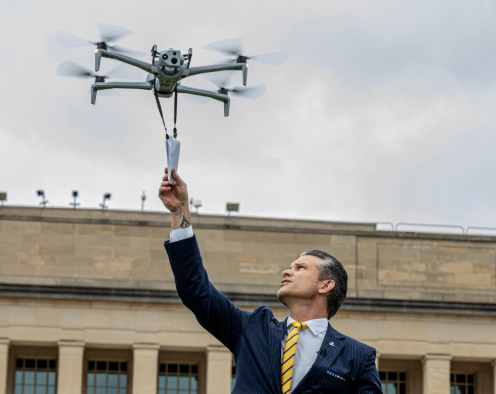
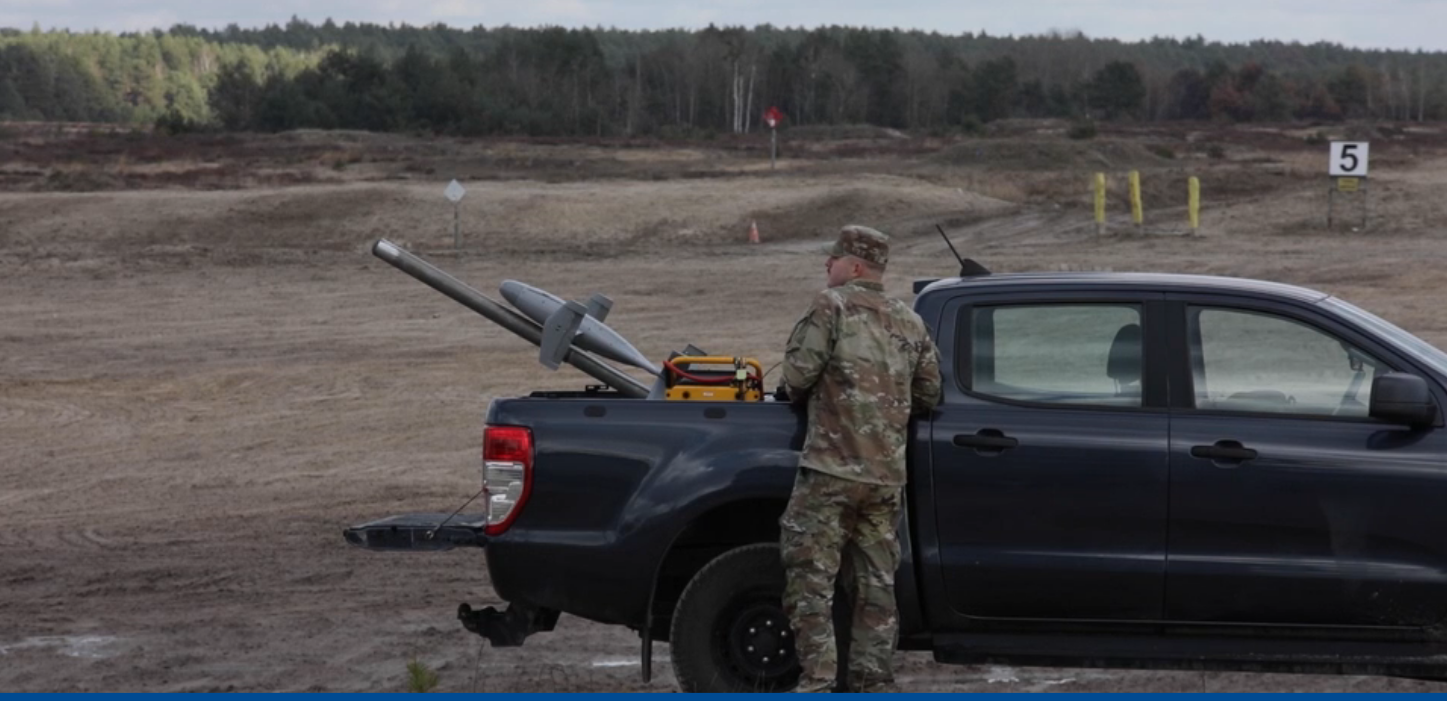
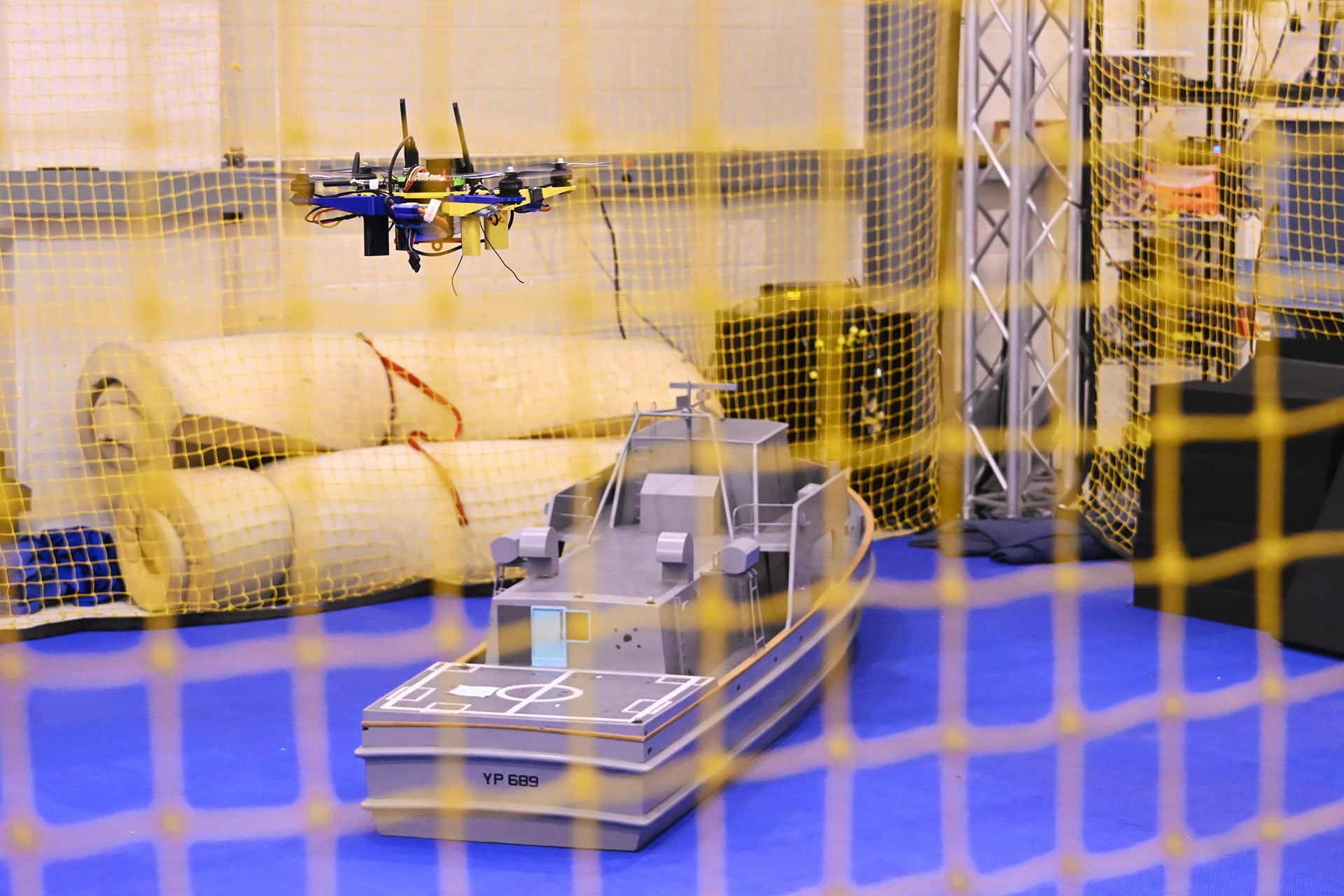
In a strategic move that underscores the growing importance of unmanned systems within the U.S. military, Pentagon officials have announced the establishment of a new czar to oversee the development and integration of these critical technologies. This initiative, spearheaded by Deputy Secretary of Defense, has significant implications for defense contractors, investors, and technology developers alike, as it signals a renewed focus on enhancing the military's capabilities through unmanned systems.
The designation of a czar specifically for unmanned systems is a direct response to the evolving nature of modern warfare, where adversaries are increasingly leveraging drone technology and autonomous systems to gain tactical advantages. As the Pentagon seeks to maintain its edge in this arena, the appointment reflects a recognition that strategic oversight is essential for aligning the development and deployment of unmanned systems with broader military objectives. By centralizing authority and streamlining decision-making processes, the Department of Defense aims to ensure that it can effectively harness these technologies to meet emerging threats.
This initiative comes at a time when the global unmanned systems market is experiencing unprecedented growth. According to recent industry reports, the market is projected to reach billions in revenue over the next decade, driven by advancements in artificial intelligence, machine learning, and sensor technologies. For defense contractors and investors, this represents a critical opportunity to engage in a rapidly expanding sector. The new czar's role will likely include fostering partnerships with private companies, enhancing research and development efforts, and ensuring that the Pentagon can quickly adapt to technological advancements in the field.
Moreover, the establishment of a dedicated authority for unmanned systems mirrors the organizational trends seen in other branches of defense, where specialized leaders are appointed to oversee specific domains such as cybersecurity and space operations. Such a focus on unmanned systems is not only about increasing operational efficiency but also about ensuring that the military can respond to the diverse challenges posed by both state and non-state actors in today’s complex security landscape.
Looking forward, the success of this initiative will depend on the czar's ability to navigate a complex ecosystem of stakeholders, including military leadership, industry partners, and legislative bodies. Collaboration will be key, as the Pentagon must balance the need for innovation with the imperative of maintaining safety and operational integrity. As unmanned systems continue to reshape the battlefield, the establishment of this new oversight role serves as a timely reminder of the imperative to adapt and evolve in response to the rapid pace of technological change.
In conclusion, the appointment of a czar for unmanned systems is a pivotal development for the Pentagon and the broader defense community. It not only signals a commitment to enhancing military capabilities through advanced technologies but also presents a unique opportunity for industry players to align with federal initiatives. As the defense landscape continues to evolve, stakeholders must remain vigilant and proactive, ensuring that the U.S. military remains at the forefront of unmanned systems innovation and deployment.