GD NASSCO To Build Two New Sub Tenders
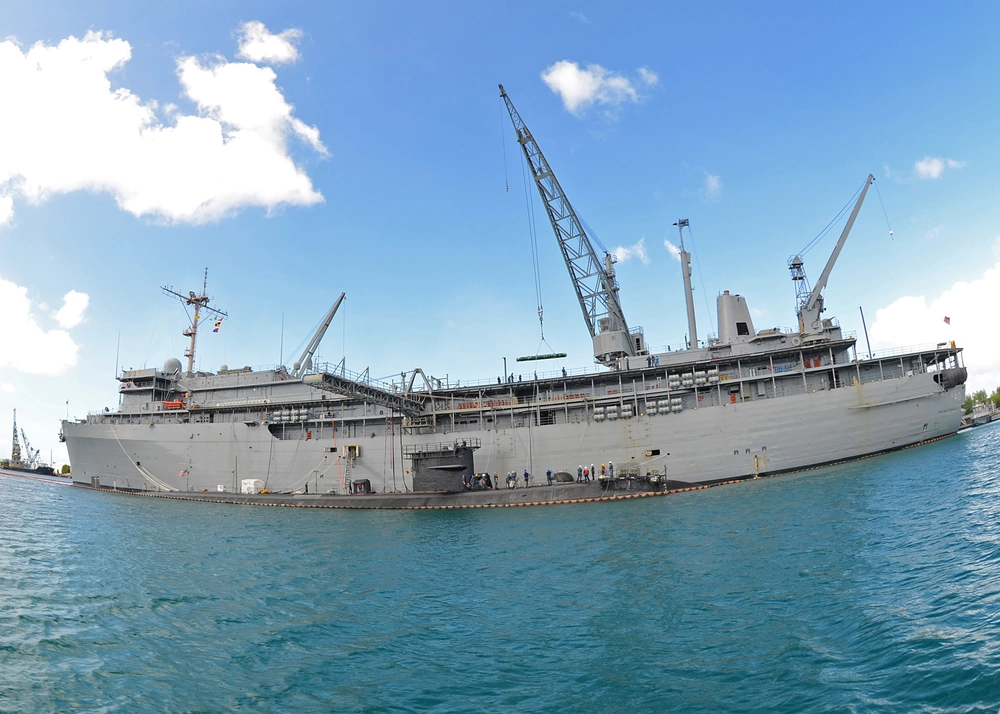
In a strategic move that underscores the U.S. Navy's ongoing commitment to maintaining its maritime superiority, General Dynamics NASSCO has been awarded a contract to construct two new submarine tenders. This development not only signifies an investment in naval capabilities but also highlights the critical role of shipbuilding in enhancing the operational readiness of undersea forces. As the geopolitical landscape continues to evolve, the need for robust support systems for submarines—often considered the silent guardians of national security—has never been more pronounced.
Submarine tenders serve as vital logistical hubs for submarines, providing essential maintenance and support services that ensure these vessels are always ready for deployment. The decision to build two new tenders reflects a response to the increasing operational demands placed on the U.S. Navy's submarine fleet. With the rise of near-peer threats and a more assertive maritime posture from adversaries, the Navy is prioritizing not just the acquisition of advanced submarines but also the infrastructure necessary to sustain them in the long term.
The contract awarded to GD NASSCO is significant for several reasons. Firstly, it exemplifies the U.S. government’s ongoing investment in domestic shipbuilding capabilities, which is crucial for maintaining a competitive edge in defense technology. By leveraging advanced manufacturing processes and innovative design techniques, GD NASSCO is poised to deliver tenders that meet the modern challenges of naval operations. Additionally, this contract will have a ripple effect throughout the defense industry, stimulating job creation and fostering technological advancements in the shipbuilding sector.
Furthermore, this initiative aligns with broader defense spending priorities that focus on enhancing fleet readiness and resilience. As the Navy explores new operational concepts, such as Distributed Maritime Operations (DMO), the integration of submarine tenders into these frameworks will be essential. These tenders not only provide maintenance support but also act as platforms for advanced logistics and supply chain management, ensuring that submarines can operate effectively in contested environments.
Looking ahead, the construction of these two submarine tenders is a clear indication of the U.S. Navy's strategic foresight in preparing for future challenges. As the defense community continues to adapt to a rapidly changing global landscape, investments in infrastructure like submarine tenders will play a pivotal role in shaping the operational capabilities of the U.S. Navy. The successful execution of this contract will not only bolster the submarine fleet but also reaffirm the importance of a resilient and responsive defense industrial base that can meet the needs of our armed forces for decades to come.