Funding To Support Multi-Year Missile Production Deals Expected In Iran Supplemental, FY ’27 Request
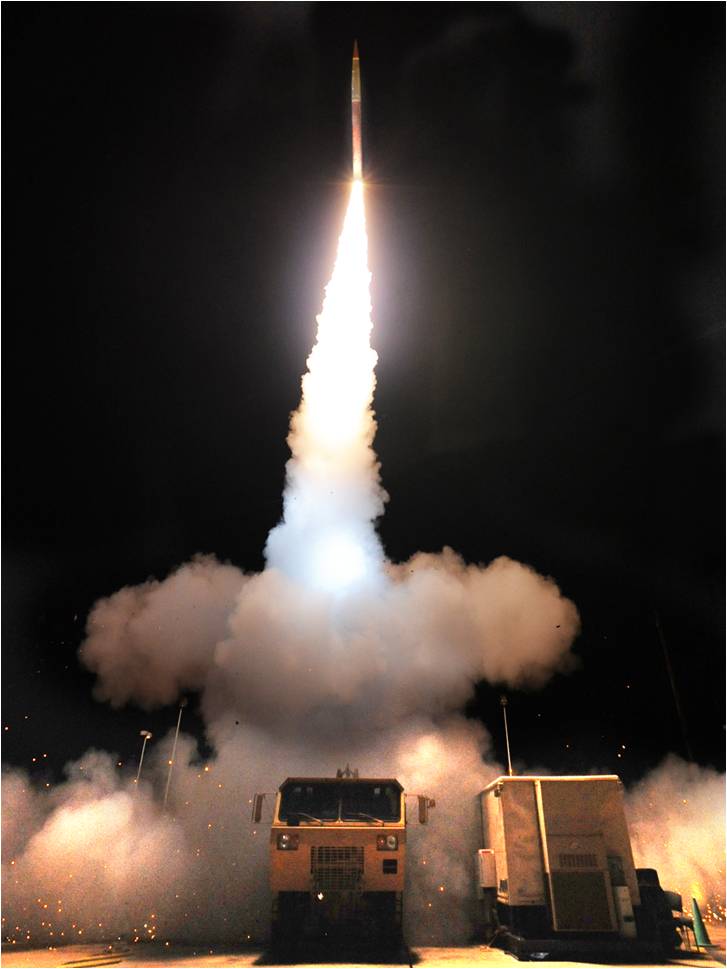
In a significant move that signals the United States' commitment to bolstering its defense capabilities, the Pentagon is reportedly preparing to allocate funding for multi-year missile production deals as part of the upcoming supplemental request for Iran. This funding is anticipated to be included in the Fiscal Year 2027 request, underscoring a strategic shift in response to evolving geopolitical threats. As tensions in the Middle East continue to simmer, this financial backing is expected to enhance the U.S. military's readiness and capability to counter potential adversaries, particularly in light of Iran's increasingly aggressive missile program.
The defense community must recognize the implications of this funding request. The multi-year nature of these production deals is particularly noteworthy. By securing a stable financial commitment over several years, the U.S. government is poised to facilitate greater efficiency and predictability in missile production. This approach not only streamlines the procurement process but also allows defense contractors to plan their operations with greater certainty, optimizing resource allocation and enhancing innovation in missile technology. Such long-term contracts can also lead to cost savings, which is essential in an era of budget constraints.
Furthermore, the decision to include missile production funding in the supplemental request for Iran highlights the urgent need for the U.S. to maintain a competitive edge in missile defense capabilities. Iran's advancements in missile technology pose a direct threat to U.S. interests and allies in the region. The strategic importance of missile defense systems cannot be overstated, especially as adversaries develop more sophisticated capabilities. The funding will likely support not only the production of existing missile systems but also the research and development of next-generation technologies that can address emerging threats.
This funding initiative is also indicative of a broader trend in defense procurement strategies. As the global security landscape evolves, there is a growing recognition of the need for agile and responsive defense capabilities. The ability to swiftly produce and deploy advanced missile systems is crucial for deterrence and defense. For investors and builders in the defense sector, this environment presents a unique opportunity to engage with a rapidly evolving market that is increasingly focused on cutting-edge technology and rapid deployment solutions.
Looking ahead, the emphasis on multi-year production deals and strategic funding in the defense budget is likely to set a precedent for future military procurement contracts. As the U.S. continues to navigate complex geopolitical dynamics, the defense industry must remain adaptable and innovative. The anticipated funding for missile production not only reinforces the commitment to national security but also signals to investors and industry stakeholders the importance of aligning with government priorities. As we approach FY 2027, it will be vital for defense contractors to position themselves favorably to capitalize on these emerging opportunities, ensuring that they are prepared to meet the demands of a changing security environment.