Epirus to CX2: Electronic Warfare and the Future of Drone Defense | Nathan Mintz
In a rapidly evolving battlefield landscape, the emergence of drone technology has transformed modern warfare, introducing both unprecedented capabilities and complex challenges. As drones proliferate, the need for effective countermeasures has never been more pressing. This was the central theme of Nathan Mintz's recent discussion on The Drone Ultimatum, where he delved into the innovative strides made by Epirus, a company at the forefront of electronic warfare solutions. Their development of the CX2 system exemplifies a significant leap forward in drone defense technology, which could redefine operational strategies for military and defense sectors worldwide.
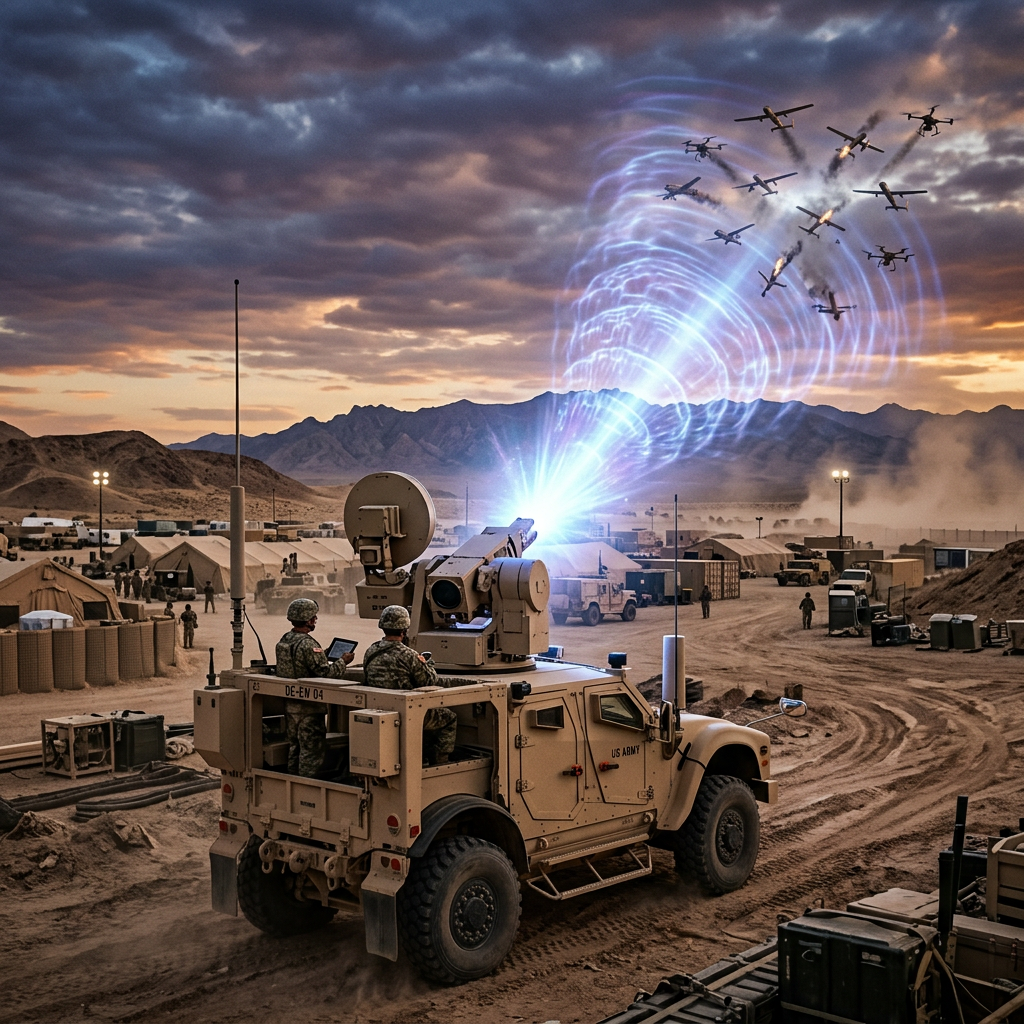
Epirus has gained recognition for its unique approach to electronic warfare. Unlike conventional methods that often rely on kinetic solutions, Epirus focuses on non-kinetic electronic countermeasures designed to disrupt or disable enemy drones. The CX2 system represents a culmination of advanced engineering and cutting-edge research, integrating high-power microwave technology to neutralize aerial threats without collateral damage. This distinction not only enhances the safety of operations but also reflects a strategic pivot towards more sustainable and precise combat methodologies.
The implications of the CX2 system extend beyond immediate military applications. As nations grapple with the growing prevalence of drones in both defense and civilian sectors, the capacity to neutralize aerial threats is paramount. The increasing use of drones for surveillance, reconnaissance, and even potential terrorist activities underscores the need for robust defensive capabilities. By providing a non-kinetic method to counter these threats, Epirus is not just addressing current challenges but is also setting the stage for future operational doctrines that prioritize precision and reduced collateral impact.
Moreover, the integration of advanced electronic warfare systems like CX2 into military arsenals signals a shift in investment patterns within the defense industry. As contractors and investors look toward the future, the focus on technologies that offer versatile, scalable solutions becomes crucial. The evolving battlefield dynamics necessitate a reevaluation of traditional defense strategies, prompting stakeholders to explore innovative technologies that align with modern warfare's demands. This presents a fertile ground for investment in companies that are pioneering solutions to counter emerging threats.
As we look ahead, the advancements demonstrated by Epirus could catalyze a broader transformation within the defense and aerospace sectors. With increasing reliance on drone technology, the development of effective countermeasures will be critical to maintaining air superiority. The potential for partnerships between defense contractors and tech innovators could lead to rapid advancements in drone defense strategies, further enhancing national security. As we embrace the future of warfare, the dialogue around electronic warfare and drone defense will undoubtedly take center stage, shaping the next generation of military capabilities.
In conclusion, Nathan Mintz's insights into Epirus and the CX2 system illuminate the path forward for electronic warfare and drone defense. As threats evolve, so too must our approaches to countering them. The defense community must remain vigilant and adaptive, leveraging innovations in electronic warfare to maintain a strategic edge in an increasingly complex and contested aerial domain.