Development Of Autonomous Targeting For Bumblebee Drone Progressing But Work To Do
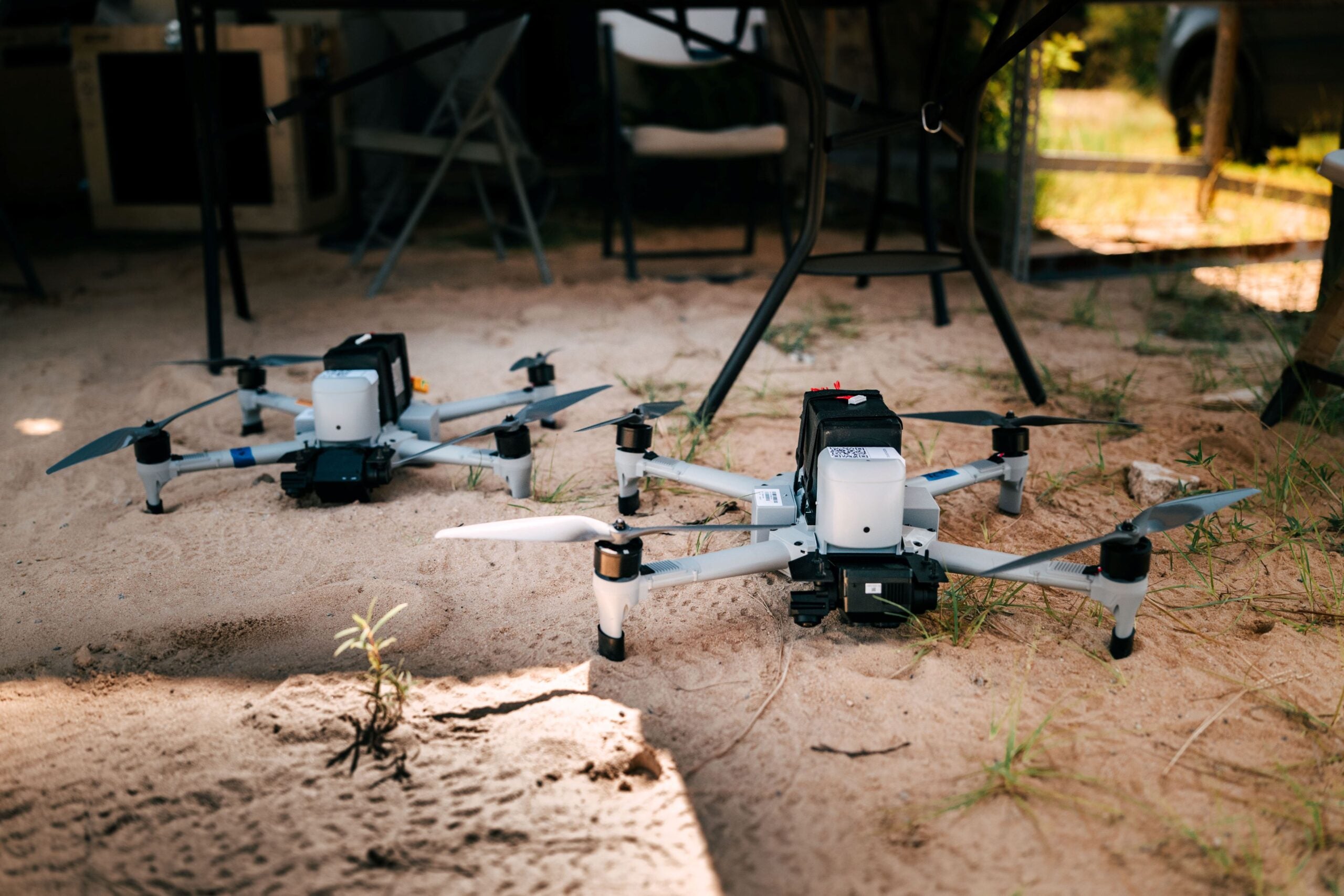
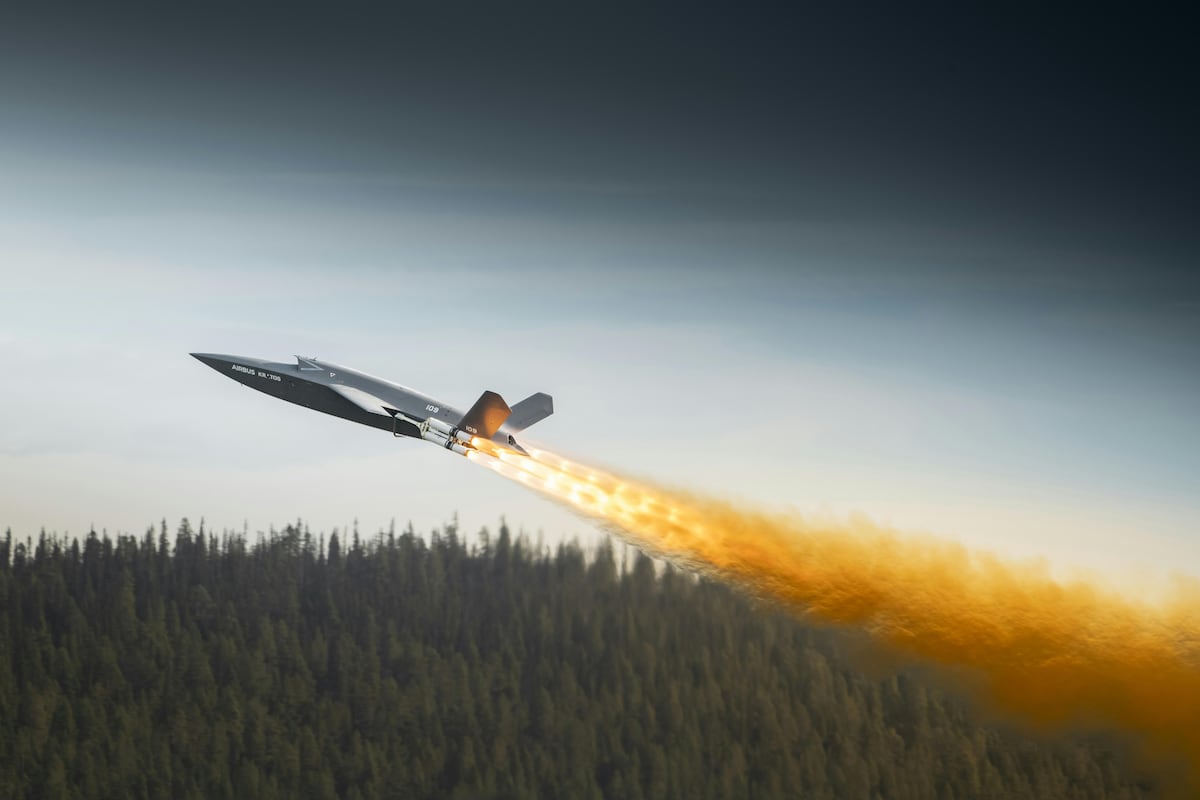
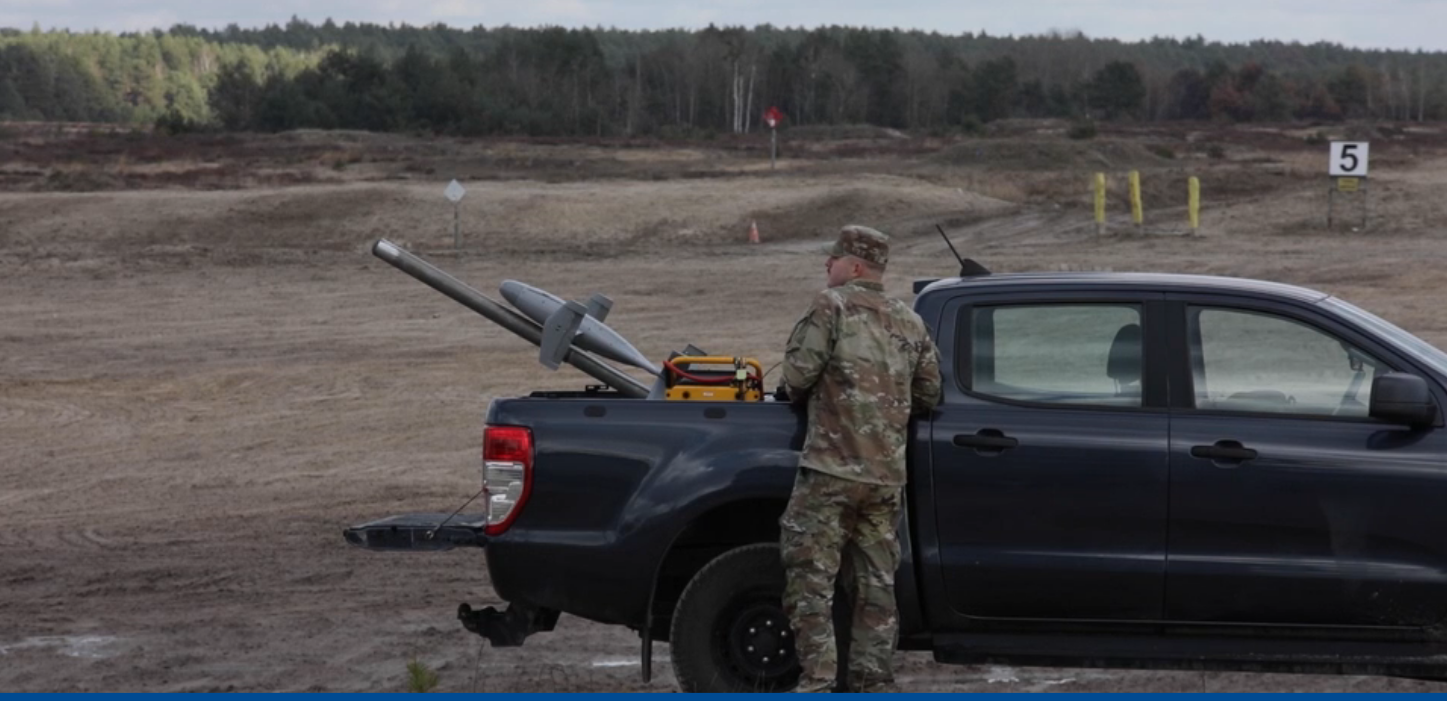
The race for dominance in unmanned aerial systems (UAS) has taken an intriguing turn with the ongoing development of autonomous targeting capabilities for the Bumblebee drone. As military operations increasingly leverage advanced technologies, the Bumblebee’s progression toward self-targeting features signifies a groundbreaking shift in how aerial warfare may be conducted in the near future. This advancement not only enhances operational efficiency but also underscores the pressing need for robust ethical frameworks as autonomous systems become more integral to defense strategies.
The Bumblebee drone, known for its compact size and versatility, has long been a subject of interest for defense contractors and military strategists alike. Recent reports indicate that while significant strides have been made in developing its autonomous targeting systems, challenges remain. These challenges include fine-tuning its algorithms for target identification and ensuring reliability in diverse environmental conditions. As the defense sector pushes for rapid innovation, the Bumblebee's development exemplifies both the promise and the hurdles faced by emerging technologies in the field of unmanned systems.
For builders and investors in the defense industry, the implications of autonomous targeting capabilities extend beyond mere technological advancement. The ability to engage targets with minimal human intervention could lead to a reduction in operational costs and an increase in mission success rates. Moreover, as nations around the world seek to modernize their military arsenals, companies involved in the development of such cutting-edge systems could see substantial financial growth. However, potential investors must also be cognizant of the ethical and regulatory landscape surrounding autonomous weapons systems, as these factors can significantly influence market viability.
The progress of the Bumblebee drone’s autonomous targeting also raises important questions about the future of warfare. As the lines between manned and unmanned operations blur, there is an urgent need for policymakers and defense leaders to engage in a dialogue about the implications of deploying such technology in real-world scenarios. The ethical concerns surrounding autonomy in warfare are profound, and as systems like the Bumblebee advance, ensuring that they are used responsibly and in accordance with international law will be paramount.
Looking ahead, the development of the Bumblebee drone is emblematic of a broader trend towards increasing automation in defense technologies. As the U.S. and allied nations continue to invest in autonomous systems, the lessons learned from the Bumblebee project could inform future innovations in the field. It is crucial for stakeholders across the defense, aerospace, and technology sectors to collaborate and address the technical, ethical, and regulatory challenges posed by these rapidly evolving systems. In doing so, they can help shape a future where autonomous technologies not only enhance military capabilities but also uphold the values of accountability and humanity in warfare.
In conclusion, while the Bumblebee drone's autonomous targeting capabilities are progressing, the path forward is fraught with challenges that demand careful consideration. The defense community must navigate these complexities as it embraces a future where drones play an increasingly pivotal role in military operations, ensuring that advancements are made responsibly and ethically.