Auriga Space Adapting Electromagnetic Launch Tech For Counter-Drone Interception
Title: Auriga Space Adapting Electromagnetic Launch Tech For Counter-Drone Interception
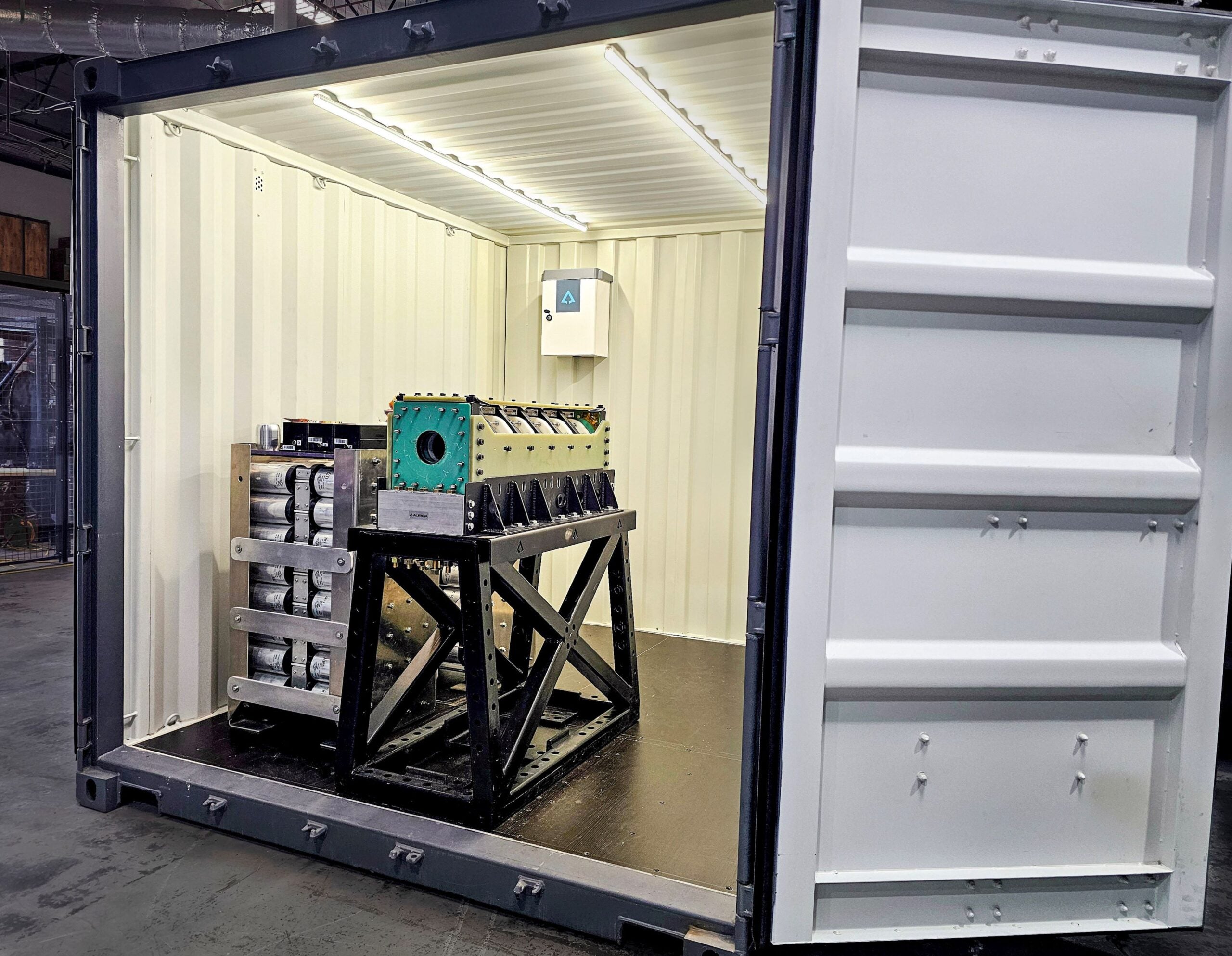
In an era where unmanned aerial vehicles (UAVs) are becoming increasingly accessible, the challenge of countering malicious drone activities has escalated to the forefront of defense strategies worldwide. Auriga Space, a company traditionally focused on space launch technologies, has shifted its innovative prowess toward developing electromagnetic launch systems specifically designed for counter-drone operations. This pivot not only highlights the company's adaptive capabilities but also underscores the urgent need for effective solutions in the evolving landscape of aerial security threats.
The rapid proliferation of commercial drone technology has presented new challenges for military and security forces, leading to a surge in demand for effective countermeasures. Drones have been employed in various capacities—from surveillance to weapon delivery—making them a versatile tool for both state and non-state actors. This evolution in aerial warfare necessitates innovative defense solutions that can respond with speed and precision. Auriga Space's approach, utilizing electromagnetic launch systems, promises a game-changing capability that could dramatically enhance the operational effectiveness of counter-drone systems.
Electromagnetic launch technology, which relies on electromagnetic forces rather than traditional propulsion methods, offers several advantages over conventional counter-drone technologies. For instance, these systems can achieve rapid deployment and high-velocity interception, enabling defense forces to neutralize threats before they can cause harm. Furthermore, the scalability of electromagnetic systems allows for flexibility in deployment, making them suitable for various environments, from urban settings to military bases. As the demand for drone interception rises, the need for such adaptive technologies becomes increasingly critical.
In the context of national security, the implications of Auriga Space's development are profound. As governments and defense contractors seek to bolster their aerial defense capabilities, the integration of advanced technologies like electromagnetic launch systems can play a pivotal role in safeguarding critical infrastructure and personnel. By investing in innovative approaches to counter-drone technology, defense stakeholders can stay ahead of evolving threats, ensuring operational readiness in a complex security environment.
Looking ahead, Auriga Space's commitment to adapting its technologies for counter-drone applications signals a broader trend within the defense and aerospace sectors: the convergence of technologies to address multi-faceted threats. As the lines blur between traditional warfare and modern asymmetric conflicts, the ability to pivot and innovate will be essential for defense contractors. Companies that can harness emerging technologies and adapt them to meet current challenges stand to gain a competitive edge in the market.
In conclusion, Auriga Space's foray into counter-drone interception using electromagnetic launch technology not only addresses an urgent security need but also exemplifies the innovative spirit required in the defense sector today. As threats evolve, so too must our strategies and technologies. The future of aerial defense will depend on such forward-thinking approaches, ensuring that we remain vigilant against an ever-changing landscape of aerial threats.