As US eyes smaller military footprint in Europe, new unit trains for drone warfare
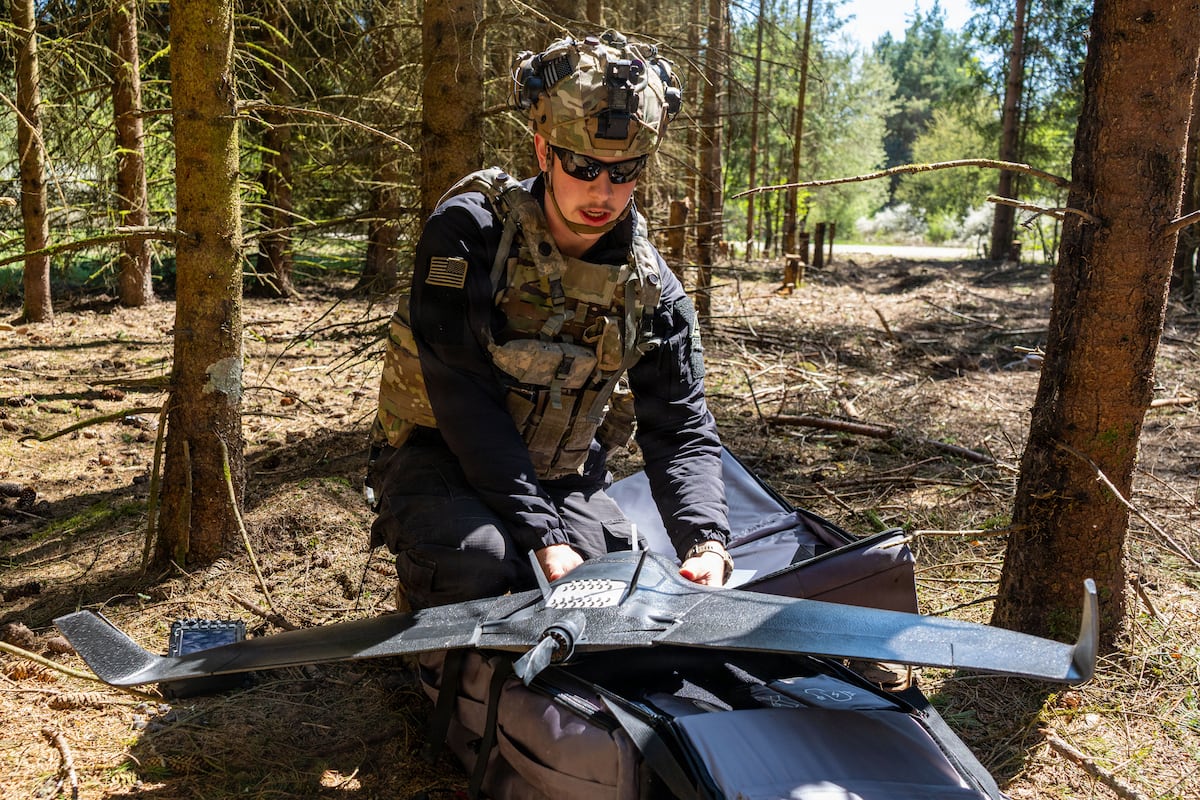
In a significant shift in military strategy, the United States is re-evaluating its presence in Europe, focusing on a smaller footprint while simultaneously enhancing its combat capabilities through advanced technologies. The establishment of a new unit specifically trained for drone warfare underscores this transformation, illustrating a pivot towards more agile, technologically driven military operations. As the global security landscape evolves, this move not only reflects the changing dynamics of warfare but also signals a critical moment for builders, investors, and professionals in the defense and aerospace sectors.
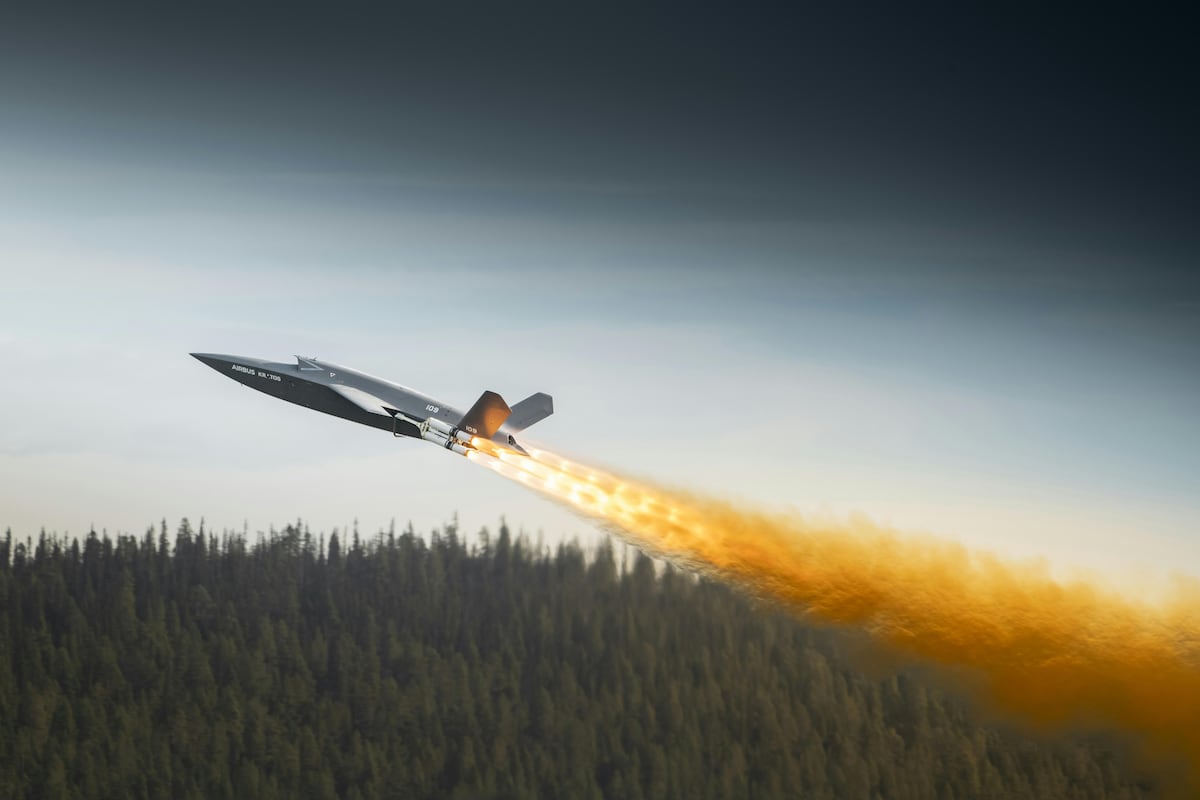
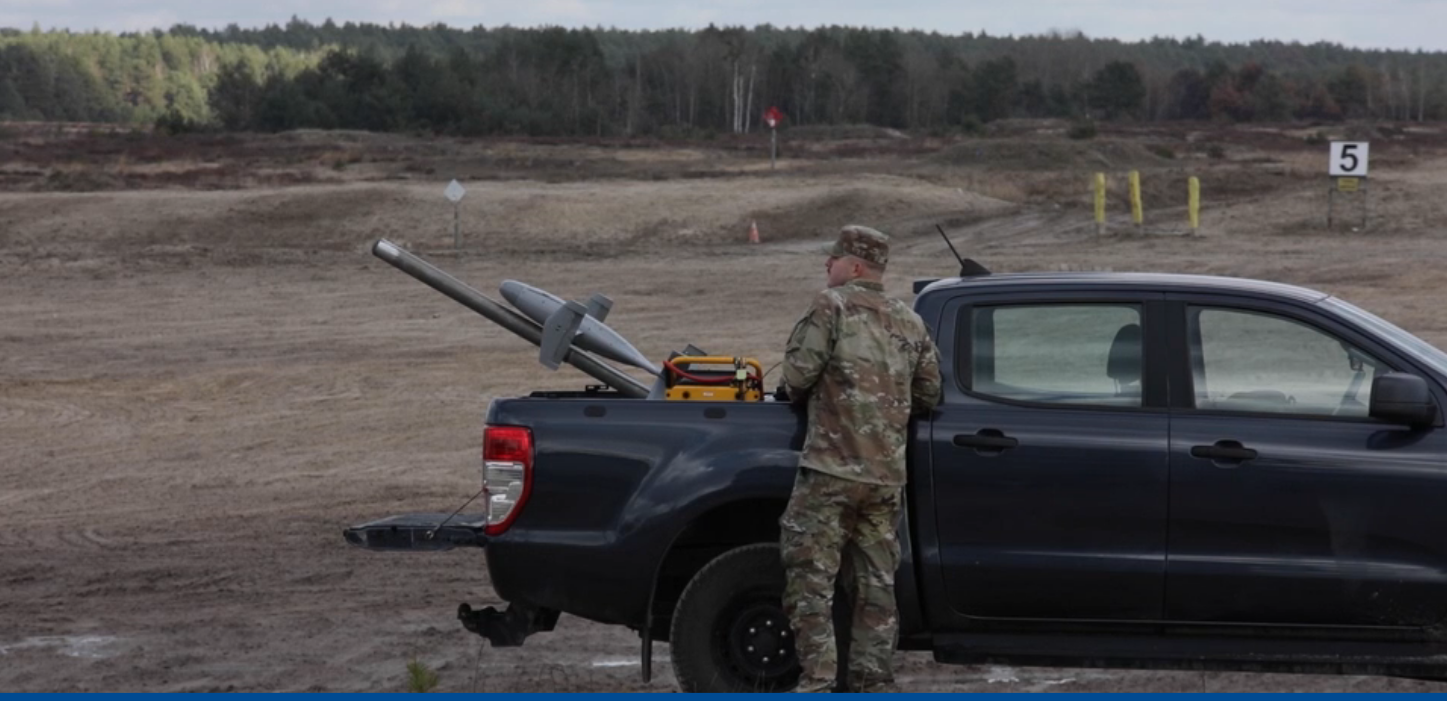
The U.S. military's decision to reduce its conventional troop presence in Europe is influenced by several factors, including the rising costs of maintaining large deployments and the increasing effectiveness of unmanned systems. The new unit, which is focused on drone warfare, highlights a growing recognition of the strategic advantages that unmanned aerial vehicles (UAVs) bring to modern combat. Drones offer enhanced surveillance capabilities, precision strike options, and reduced risk to personnel, making them a cornerstone of future military engagements. For defense contractors and technology developers, this shift presents a plethora of opportunities to innovate and supply cutting-edge systems that meet the evolving requirements of the armed forces.
Moreover, the establishment of this drone unit comes at a time when the U.S. is facing new threats on multiple fronts, from state actors employing hybrid warfare tactics to non-state groups leveraging asymmetric strategies. The ability to deploy drones effectively can give the U.S. military a significant edge in rapid-response scenarios, allowing for swift, decisive action without the need for large ground forces. This not only enhances operational efficiency but also aligns with the Pentagon's broader goals of modernization and deterrence.
The implications for the defense and aerospace community are profound. Companies that specialize in drone technology, software development, and associated logistics stand to benefit significantly from increased military investments in unmanned systems. As the U.S. military refines its strategies and looks to integrate advanced technologies, opportunities for collaboration and innovation will expand. Investors looking to capitalize on the future of defense should pay close attention to the growth potential within this sector, especially as nations around the world seek to bolster their own drone capabilities in response to the changing battlefield.
As the U.S. reconfigures its military strategy in Europe, the focus on drone warfare signals a broader trend towards modernization and adaptation in defense operations. While a smaller troop presence may seem like a reduction in commitment, it is, in fact, a strategic recalibration aimed at maximizing efficiency and effectiveness in a complex security environment. The reliance on drone technology not only reflects current military needs but also sets the stage for future advancements in warfare. As this narrative unfolds, stakeholders in the defense and technology sectors must remain agile, ready to embrace the innovations and partnerships that will define the next generation of military capability and resilience.