Army Seeks Industry’s Group 3 Offerings To Add Onto UAS Marketplace
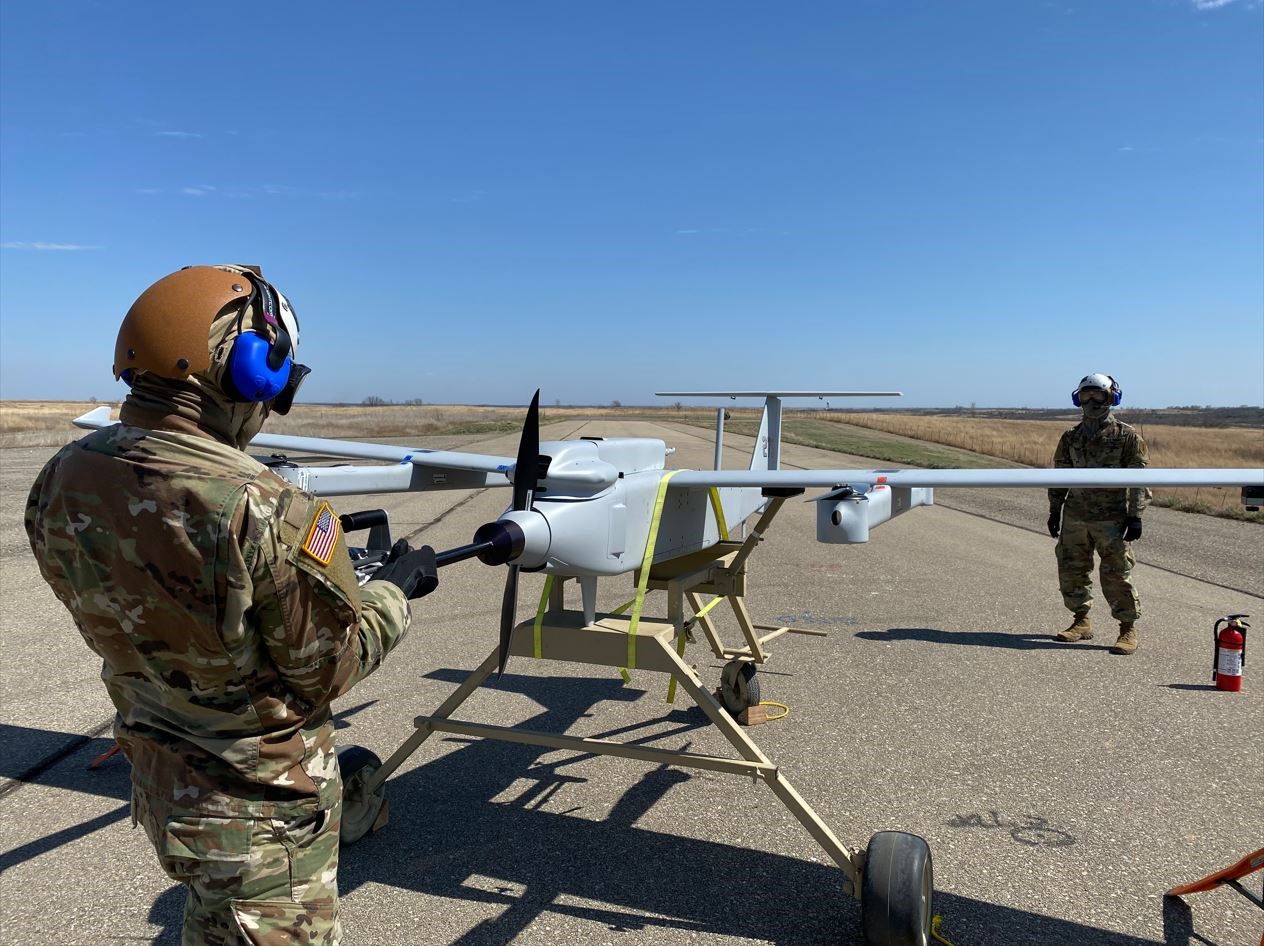
In a rapidly evolving landscape where unmanned aerial systems (UAS) are becoming integral to military operations, the U.S. Army's recent call for Group 3 UAS offerings signifies a pivotal moment for defense contractors and technology innovators alike. The Army is looking to enhance its UAS marketplace, seeking advanced aerial solutions that can meet the diverse needs of modern warfare. This initiative not only opens doors for industry players but also highlights the increasing reliance on drone technology to augment military capabilities.
Group 3 UAS, which are defined as systems weighing between 21 and 55 pounds, are positioned for a variety of applications ranging from intelligence, surveillance, and reconnaissance (ISR) to tactical support and logistics. The Army's push for these systems aligns with its broader modernization strategy, which emphasizes agility, lethality, and multi-domain operations. As threats become more complex, the integration of innovative UAS into military operations can provide a tactical edge, enabling forces to respond rapidly and effectively.
The Army's request for information (RFI) is more than just a routine procurement process; it reflects a strategic shift towards a collaborative ecosystem where the military and the private sector can work together to meet urgent operational requirements. By tapping into the diverse capabilities of industry partners, the Army aims to foster a competitive environment that accelerates technological advancements. This approach not only enhances the Army's operational readiness but also stimulates economic growth within the defense sector, creating opportunities for small and large businesses alike.
Moreover, this initiative underscores the importance of innovation in the defense aerospace market. Companies that can provide cutting-edge solutions for Group 3 UAS can expect to play a critical role in shaping the future of military aviation. With advancements in artificial intelligence, sensor technology, and materials science, the potential for new capabilities is vast. The industry's response to the Army's solicitation will likely set the stage for the next generation of UAS that can operate in contested environments, carry out complex missions, and seamlessly integrate with existing military platforms.
For investors and builders within the defense and aerospace sectors, this is a call to action. The Army's interest in expanding its UAS capabilities presents a unique opportunity to invest in technologies that will define the future of defense operations. As the U.S. military continues to prioritize unmanned systems, companies that align their innovations with the Army's vision will not only secure contracts but also contribute to a national security strategy that is increasingly reliant on unmanned and autonomous systems.
Looking ahead, the Army's exploration of Group 3 UAS offerings is a promising development for the defense industry as a whole. As the demand for advanced aerial capabilities grows, the partnership between military needs and industry innovation will be crucial in delivering the next generation of UAS technology. For stakeholders in the defense community, this is a moment to harness collaboration, creativity, and investment to ensure that the U.S. remains at the forefront of unmanned warfare technology.