Army launches search for counter-drone missile priced under $150K
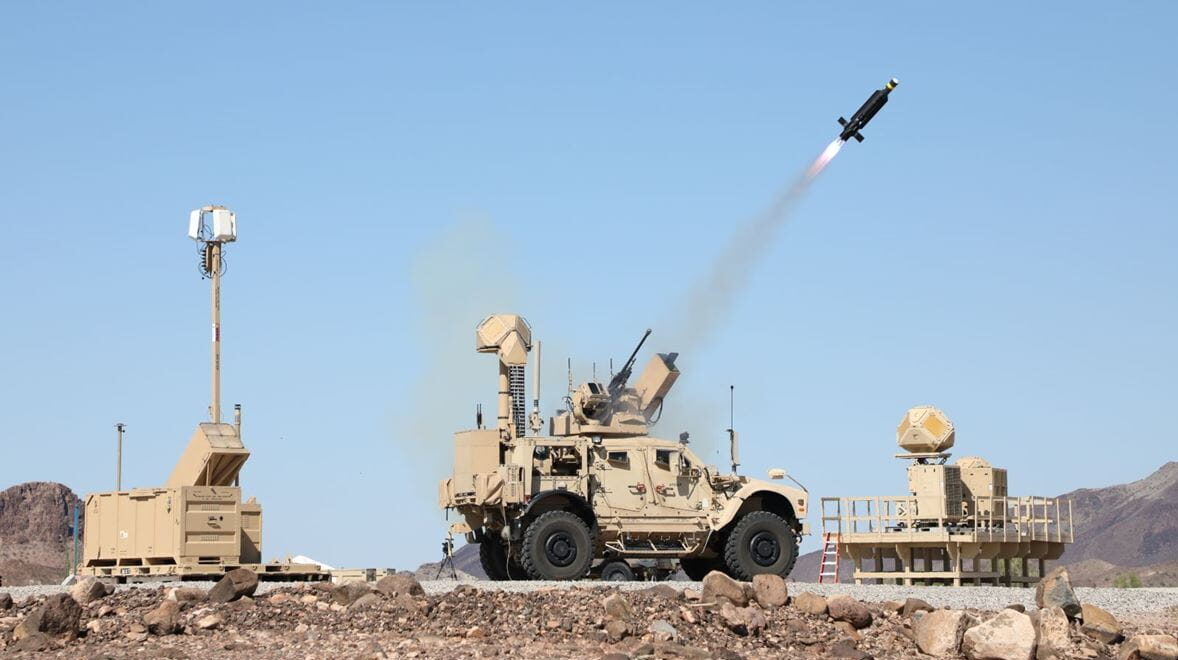
In an era characterized by rapid technological advancements and evolving battlefield dynamics, the U.S. Army is taking a proactive step to enhance its capabilities against an increasingly prevalent threat: drones. Recently, the Army announced its search for a counter-drone missile system priced under $150,000. This initiative underscores a critical shift in defense strategy, as unmanned aerial vehicles (UAVs) have become a formidable weapon in both asymmetric warfare and conventional military engagements.
The proliferation of drones has transformed the landscape of modern warfare, offering adversaries a low-cost, high-impact means of surveillance and attack. From commercial off-the-shelf drones used by insurgents to sophisticated UAVs deployed by state actors, the threat posed by these aerial systems cannot be understated. As a result, the Army's emphasis on developing a cost-effective counter-drone missile reflects a broader recognition of the need for affordable and efficient solutions to neutralize these airborne threats. By setting a budgetary cap of $150,000, the Army aims to encourage innovative approaches from defense contractors, thereby fostering competition and driving down costs while enhancing operational readiness.
This initiative is particularly relevant for builders and investors in the defense and aerospace sectors. The request for proposals (RFP) not only invites established defense manufacturers but also opens the door for tech startups and smaller firms to bring their innovative concepts to the forefront. This inclusivity may result in diverse solutions that leverage cutting-edge technologies, such as artificial intelligence and advanced materials, to create missile systems that are not only effective but also economically viable. The emphasis on affordability aligns with broader trends in the defense industry, where fiscal constraints are becoming increasingly significant in decision-making processes.
Moreover, the focus on counter-drone capabilities highlights the Army's recognition of the evolving nature of threats on the battlefield. The ability to neutralize UAVs effectively can enhance force protection, safeguard critical infrastructure, and maintain air superiority. As potential adversaries continue to invest in drone technology, the U.S. military must remain agile and adaptive, ensuring that its countermeasures keep pace with these developments. The Army's approach also reflects a strategic pivot towards multifunctional systems that can be deployed in a variety of scenarios, further amplifying the importance of this initiative.
Looking ahead, the success of this endeavor may hinge on collaboration between the military, industry, and academia. By fostering partnerships and encouraging knowledge-sharing, the Army can tap into a broader pool of expertise, potentially accelerating the development of effective counter-drone solutions. As the solicitation process unfolds, stakeholders across the defense ecosystem should remain vigilant and engaged, as the outcome promises to shape the future of aerial warfare and defense strategies.
In conclusion, the Army's search for a counter-drone missile priced under $150,000 is a significant step toward addressing the challenges posed by the growing UAV threat. By prioritizing affordability and innovation, the Army not only fortifies its own capabilities but also stimulates the defense industry to think creatively about solutions that can safeguard national security in an increasingly complex environment.