Anduril pitches a robot wingman for US Army helicopters
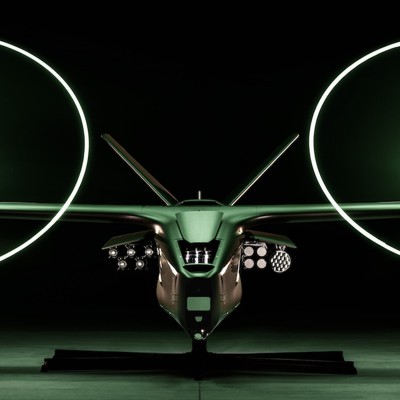
In an era where technological advancements are reshaping warfare, Anduril Industries has proposed a groundbreaking solution aimed at enhancing the capabilities of U.S. Army helicopters: a robotic wingman. This innovative concept seeks to integrate autonomous drones with manned rotorcraft, providing a force multiplier that could redefine air combat dynamics. As defense budgets face scrutiny and operational demands increase, the integration of such technologies could be pivotal for future military strategies.
Anduril's pitch comes at a critical juncture for the U.S. Army, which is increasingly looking to modernize its fleet and adapt to the evolving landscape of aerial warfare. The proposed robotic wingman is designed to work in tandem with existing helicopter platforms, offering enhanced surveillance, reconnaissance, and even combat capabilities. By offloading certain missions to an autonomous drone, pilots can focus on more complex tasks, potentially reducing risk and increasing mission success rates. This aligns with the Army's broader objective to leverage unmanned systems for increased operational effectiveness.
The implications of this proposal extend beyond mere operational efficiency. As adversaries continue to invest in advanced aerial technologies, the U.S. military must stay ahead of the curve. The integration of robotic wingmen could provide the tactical edge needed to counter threats posed by near-peer competitors, such as Russia and China, who are also advancing their aerial capabilities. Furthermore, this initiative dovetails with the Army's ongoing efforts to embrace innovation, evidenced by initiatives like Project Convergence, which aims to enhance joint all-domain operations through cutting-edge technologies.
From an investment perspective, the development of robotic wingmen presents a compelling opportunity for stakeholders in the defense and aerospace sectors. As companies like Anduril push the boundaries of technology, investors should consider the long-term prospects of autonomous systems in military applications. The potential for cost savings, increased mission flexibility, and enhanced safety for personnel are just a few of the reasons why this technology warrants attention. Moreover, with the defense industry increasingly recognizing the importance of automation, businesses that prioritize research and development in this area are likely to see significant returns.
Looking ahead, the successful integration of robotic wingmen into the U.S. Army's operational framework could signal a paradigm shift in how aerial missions are conducted. As the military grapples with the challenges of modern warfare, embracing autonomous systems could not only enhance readiness but also ensure that the U.S. maintains its competitive edge on the global stage. As we observe the evolution of aerial combat, the collaboration between manned and unmanned systems will likely become a defining feature of future military engagements, and companies like Anduril are at the forefront of this transformation.