Air Force Budget Has T-7A Funding “Wedge” To Account For Any EMD Changes
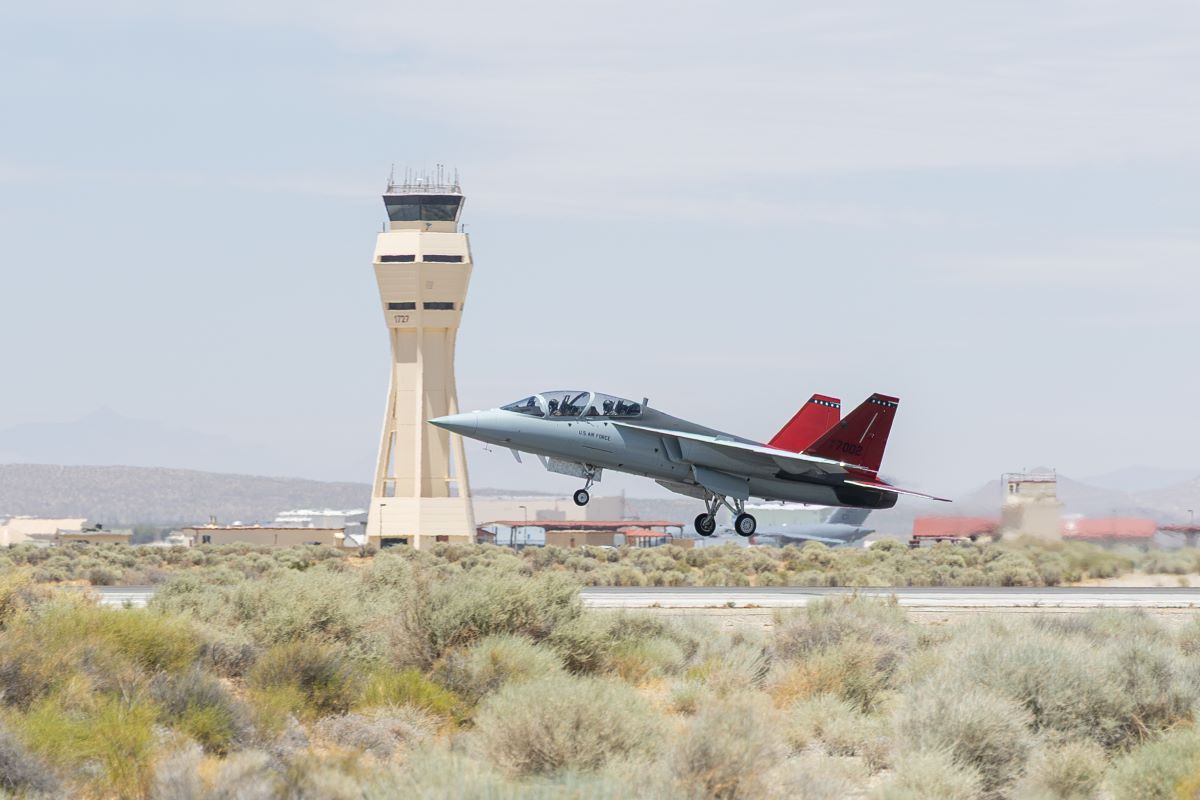
In a move that reflects the complexities of modern military procurement, the U.S. Air Force has allocated a specific funding "wedge" within its budget for the T-7A Red Hawk program. This strategic maneuver is designed to accommodate any unforeseen changes in the Engineering and Manufacturing Development (EMD) phase of this advanced pilot training aircraft. As the defense industry grapples with rising costs and stringent timelines, the implications of this funding adjustment extend well beyond the T-7A program, underscoring the need for flexibility in defense budgeting to maintain technological superiority.
The T-7A Red Hawk is poised to replace the aging T-38 trainer, representing a significant leap forward in pilot training capabilities. Equipped with cutting-edge technology, including an advanced avionics suite and a digital fly-by-wire control system, the T-7A is not just a replacement but a critical component in preparing the next generation of U.S. Air Force pilots. The inclusion of a budgetary wedge suggests that the Air Force is anticipating potential challenges that may arise during the EMD phase, which could encompass design modifications, supply chain issues, or even regulatory changes.
This funding strategy is not merely a contingency plan; it is a reflection of the broader challenges faced by defense contractors and military branches alike. With the ever-increasing complexity of military systems and the rapid pace of technological advancement, the need for agile funding mechanisms is more critical than ever. The T-7A program serves as a case study for how the defense sector must adapt to evolving requirements and uncertainties. Investors and builders in the aerospace and defense field should pay close attention to these developments, as they reveal the operational realities of delivering next-generation capabilities under budget constraints.
Moreover, the Air Force's proactive approach could set a precedent for future defense acquisition strategies. By incorporating a funding wedge, the service demonstrates a commitment to not only delivering on time but also to ensuring that the systems meet the stringent performance standards necessary for modern warfare. This could encourage other military branches to adopt similar strategies, fostering a culture of adaptability and responsiveness across the Department of Defense.
As the T-7A Red Hawk moves forward in its development, it will be essential for stakeholders in the defense industry to monitor the impact of this funding wedge. Whether it will effectively address the concerns of the EMD phase remains to be seen, but it undoubtedly highlights the importance of strategic financial planning in defense procurement. Ultimately, the success of the T-7A program may serve as a bellwether for future aerospace initiatives, offering insights into the balance between innovation and fiscal responsibility in a rapidly changing defense landscape.