USAF Working on CCA Increment 2 Acquisition Strategy, As Service Considers An Evolution Of Increment 1
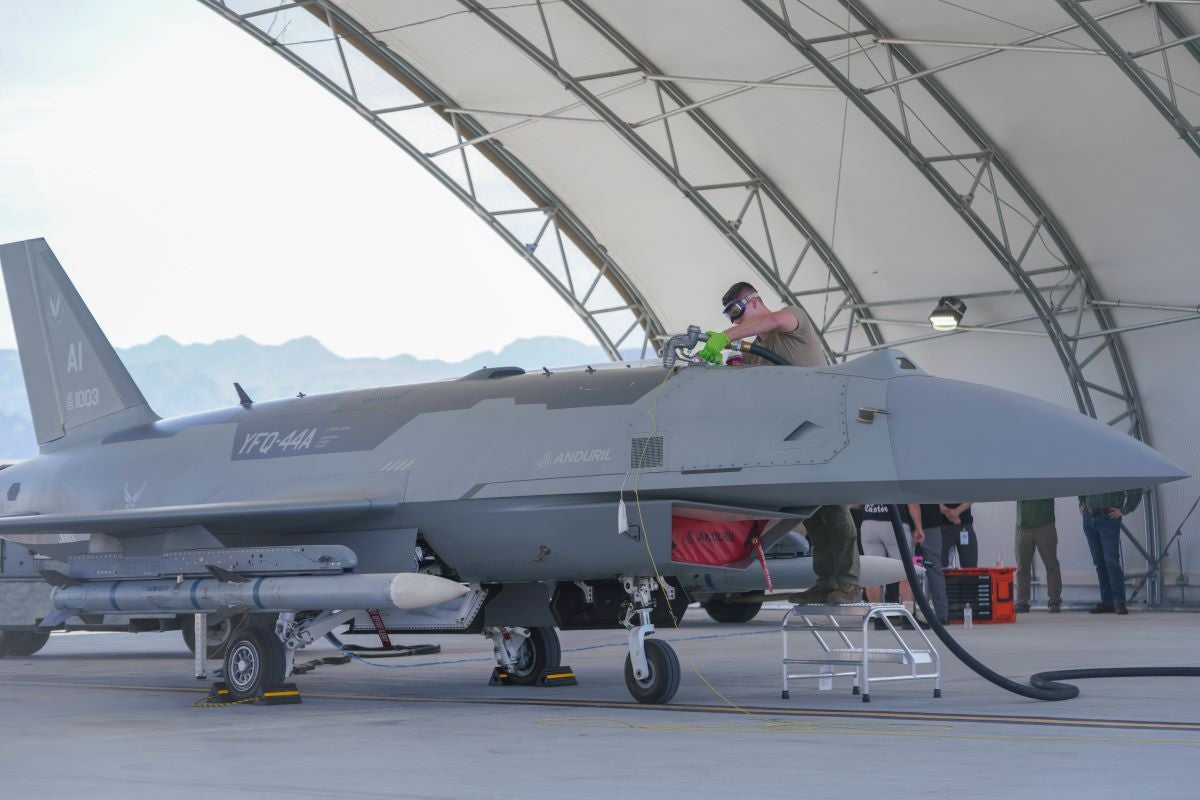
In a strategic pivot that reflects the rapidly evolving landscape of military technology, the United States Air Force (USAF) is intensifying its focus on the Collaborative Combat Aircraft (CCA) Increment 2 acquisition strategy. This initiative follows the initial Increment 1 framework, which laid the groundwork for integrating advanced unmanned systems into the USAF's operational arsenal. As defense contractors and industry stakeholders pay close attention, the implications of this evolution could reshape not only the air combat paradigm but also the broader defense ecosystem.
The USAF's Increment 1 strategy has already made significant strides, emphasizing the need for unmanned aerial vehicles (UAVs) that can augment manned platforms in combat scenarios. By exploring Increment 2, the Air Force aims to refine its approach to integrating these systems, potentially incorporating lessons learned from Increment 1 and enhancing interoperability, survivability, and mission effectiveness. This move underscores the USAF's commitment to maintaining technological superiority, as adversaries continue to develop sophisticated unmanned capabilities.
For defense contractors, this evolution presents a unique opportunity to align their technological advancements with the USAF's vision. Companies involved in UAV development, artificial intelligence, and autonomous systems are particularly well-positioned to capitalize on the forthcoming requirements outlined in the Increment 2 strategy. This alignment could foster a collaborative environment where innovation thrives, driving both commercial viability and national security outcomes.
Moreover, the implications extend beyond immediate military applications. The emphasis on CCAs can spur advancements in related sectors, such as cybersecurity, data analytics, and sensor technologies. As the USAF refines its operational concepts, other branches of the military and allied nations may also adopt similar strategies, creating a ripple effect that could accelerate the pace of innovation across the defense and aerospace industries. This interconnectedness highlights the importance of collaboration among industry players, government agencies, and academic institutions to drive forward-looking solutions.
As the USAF works on finalizing its Increment 2 acquisition strategy, stakeholders must remain vigilant and proactive. The ongoing dialogue among industry leaders, policymakers, and military officials is critical in shaping an effective response to the evolving threats and operational requirements of modern warfare. Engagement from all sectors will ensure that the USAF's vision is not only realized but optimized for success in both peacetime and conflict.
Looking ahead, the future of air combat will likely hinge on the successful integration of manned and unmanned systems, with the CCA initiative at its core. As the USAF navigates this transformative phase, industry professionals should prepare for a landscape marked by rapid technological advancements and shifting strategic priorities. The next few years will be pivotal in defining how the U.S. military maintains its edge in an increasingly complex global security environment.