
USAF Looks for Long-Range Communications Drones Deployable from AFSOC Fixed Wing Platforms
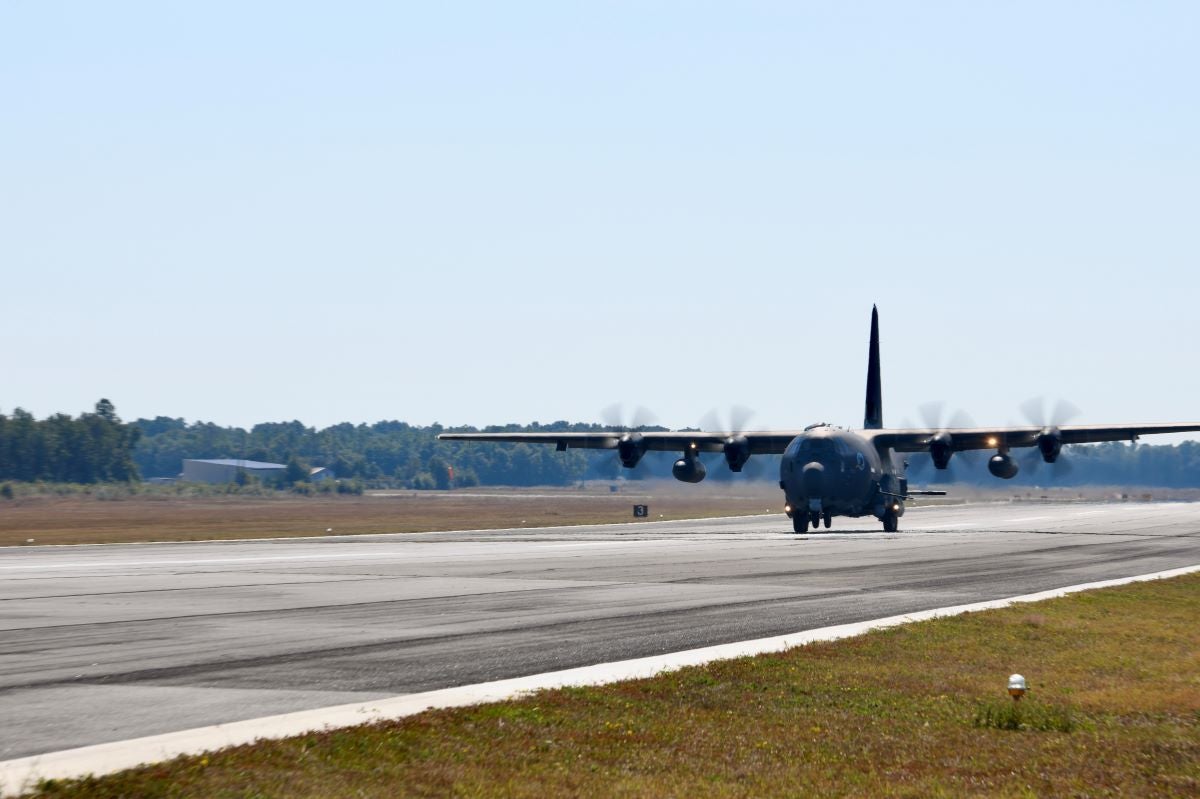
In an era where the need for rapid, reliable communication on the battlefield is more critical than ever, the U.S. Air Force (USAF) is taking significant strides towards enhancing its operational capabilities. Recently, the USAF has issued a request for information (RFI) aimed at developing long-range communications drones that can be deployed from Air Force Special Operations Command (AFSOC) fixed-wing platforms. This initiative not only underscores the increasing importance of unmanned systems in modern warfare but also highlights the shift towards affordable mass solutions tailored for high-demand military operations.
The push for long-range communication drones is rooted in the necessity for seamless connectivity across diverse and often hostile environments. As military engagements evolve, traditional communication methods face challenges posed by electronic warfare, terrain, and the sheer scale of operations. Drones capable of extending communication links can significantly enhance situational awareness, command and control, and coordination among various units. By leveraging fixed-wing platforms for deployment, the USAF aims to ensure these drones can be launched quickly and efficiently, maximizing their operational reach and impact.
From a financial perspective, the USAF's focus on affordability and sustainability aligns with the broader defense industry trend of integrating low-cost, attritable systems into military strategies. The demand for such drones opens the door for innovative startups and established companies alike to contribute to a robust supply chain that prioritizes cost-effectiveness without sacrificing performance. This approach not only ensures that the USAF can maintain readiness but also allows for the possibility of rapid fielding and replacement of these systems as technology evolves.
Moreover, the emphasis on long-range capabilities emphasizes a shift towards more autonomous systems that can operate independently or in conjunction with manned units. This aligns with the USAF's broader strategic goals of increasing operational flexibility and reducing reliance on traditional platforms. As manufacturers respond to this RFI, there lies an opportunity to integrate advanced technologies—such as artificial intelligence and machine learning—into these drones, enhancing their capabilities and making them not just tools for communication, but also sensors for gathering critical intelligence.
In conclusion, the USAF's initiative to develop long-range communications drones represents a significant step toward modernizing military communication systems. It reflects a growing recognition of the need for affordable, rapid-response solutions in an era marked by unpredictability. As the defense industry continues to innovate in the realm of unmanned systems, the potential for scalable, sustainable technologies will play a crucial role in maintaining the USAF's operational superiority. The future of military operations will undoubtedly hinge on how effectively these systems are integrated into broader strategic frameworks, ensuring that the U.S. remains at the forefront of defense capabilities.



