
USAF Awards Raytheon Nearly $21 Billion for AMRAAM Foreign Orders
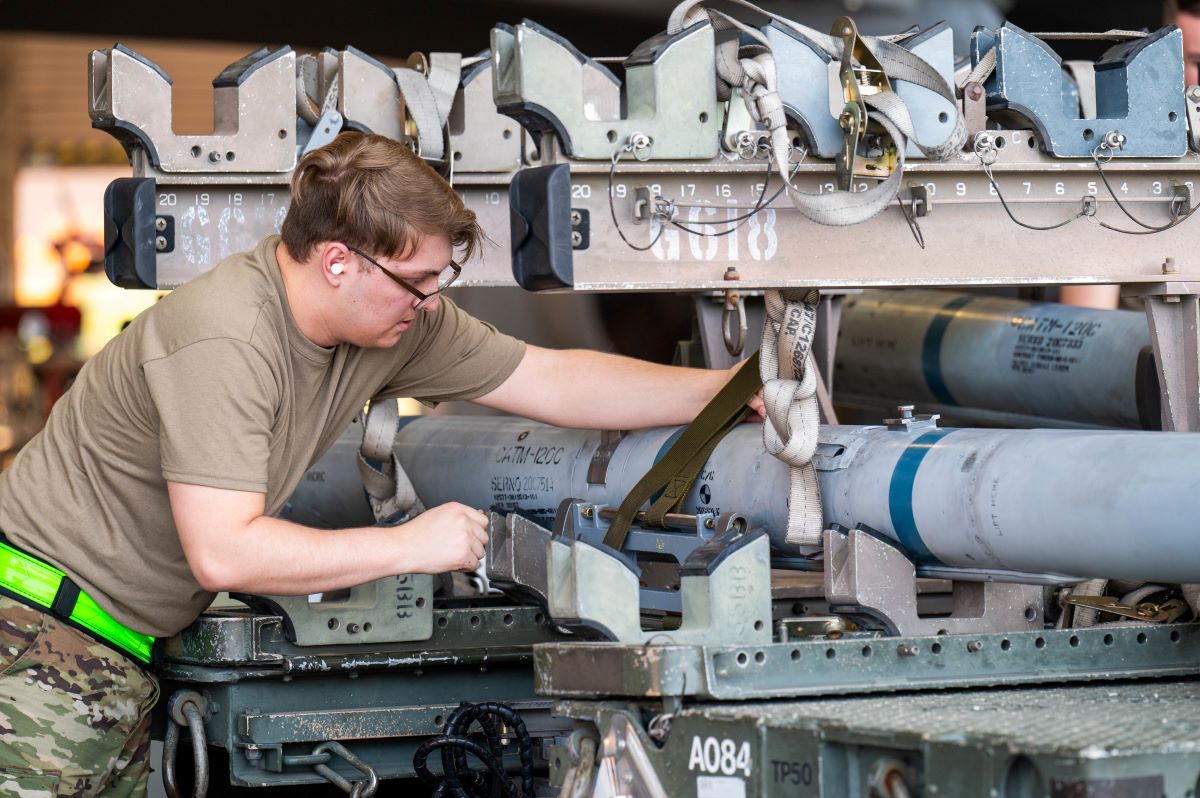
In a significant move reflecting the increasing global demand for advanced air-to-air missile systems, the United States Air Force (USAF) has awarded Raytheon Technologies an impressive contract valued at nearly $21 billion. This deal, primarily focused on the production of the Advanced Medium-Range Air-to-Air Missile (AMRAAM), underscores the growing international emphasis on enhancing air combat capabilities among allied nations. The AMRAAM, known for its precision and versatility, has been a cornerstone of air supremacy for decades, and this contract signals a robust commitment to sustaining and advancing that legacy.
The nearly $21 billion contract is not merely a transaction; it represents a strategic investment in global defense partnerships. Countries around the world are increasingly recognizing the importance of modernizing their air defense systems to counter evolving threats. The AMRAAM's capability to engage both fixed and moving targets at beyond-visual-range distances makes it a highly sought-after asset for nations looking to bolster their aerial defense capabilities. This contract could potentially pave the way for additional orders, as countries seek to secure their airspace against emerging adversaries.
From an economic perspective, this award is poised to have a substantial impact not only on Raytheon and its supply chain but also on the broader defense industry. The infusion of such a large contract will likely result in job creation within the U.S. and allied nations, stimulating local economies and fostering innovation in missile technology. Furthermore, the partnership between the USAF and Raytheon exemplifies the critical role that private sector companies play in national defense, reinforcing the notion that collaboration between government and industry is essential for maintaining a competitive edge in defense technology.
Moreover, the timing of this contract cannot be overlooked. With geopolitical tensions escalating in various regions, particularly in Eastern Europe and the Indo-Pacific, the demand for advanced weaponry is at an all-time high. This contract not only fulfills immediate procurement needs but also serves as a deterrent against potential aggressors by demonstrating a unified front among U.S. allies. As nations increasingly align their defense strategies, the AMRAAM contract may signal a broader trend of defense procurement that prioritizes interoperability and collective security.
Looking ahead, the implications of this contract extend beyond the immediate financial figures. It sets a precedent for future defense procurement initiatives, emphasizing the importance of agility and adaptability in military capabilities. As technology continues to evolve, so too must the systems that defend against advanced threats. The success of the AMRAAM not only lies in its current applications but also in its future iterations, which will need to incorporate advancements in artificial intelligence, data integration, and networked warfare. This contract lays the groundwork for ongoing innovation in air combat capabilities, ensuring that both the USAF and its international partners remain at the forefront of aerial warfare.
In conclusion, the USAF's recent award to Raytheon for AMRAAM foreign orders is a pivotal development in the defense landscape. It reflects a commitment to enhancing international security partnerships while simultaneously driving economic growth within the defense sector. As the world faces increasingly complex security challenges, the evolution of systems like the AMRAAM will be crucial in shaping the future of aerial defense strategies globally.



