US soldiers rescued by drone after Apache helicopter goes down near the coast of Oman
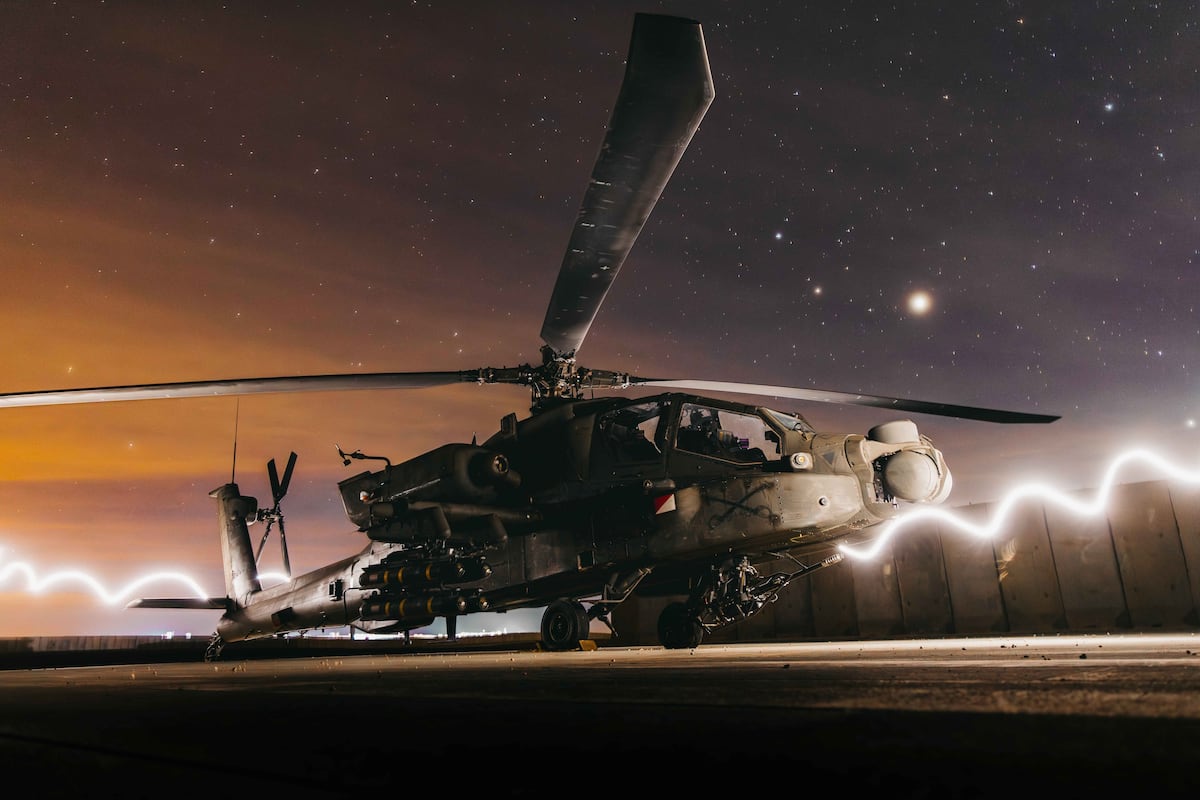
In a dramatic display of modern military coordination and technology, U.S. soldiers were rescued by a drone after an Apache helicopter crash near the coast of Oman. This incident, which underscores both the vulnerabilities and the resilience of military operations, serves as a stark reminder of the unpredictable nature of defense missions and the critical role that advanced technology plays in safeguarding personnel. As defense professionals and investors in the aerospace sector, understanding the implications of such events is essential, especially as they pertain to future investments in military technology and operational strategies.
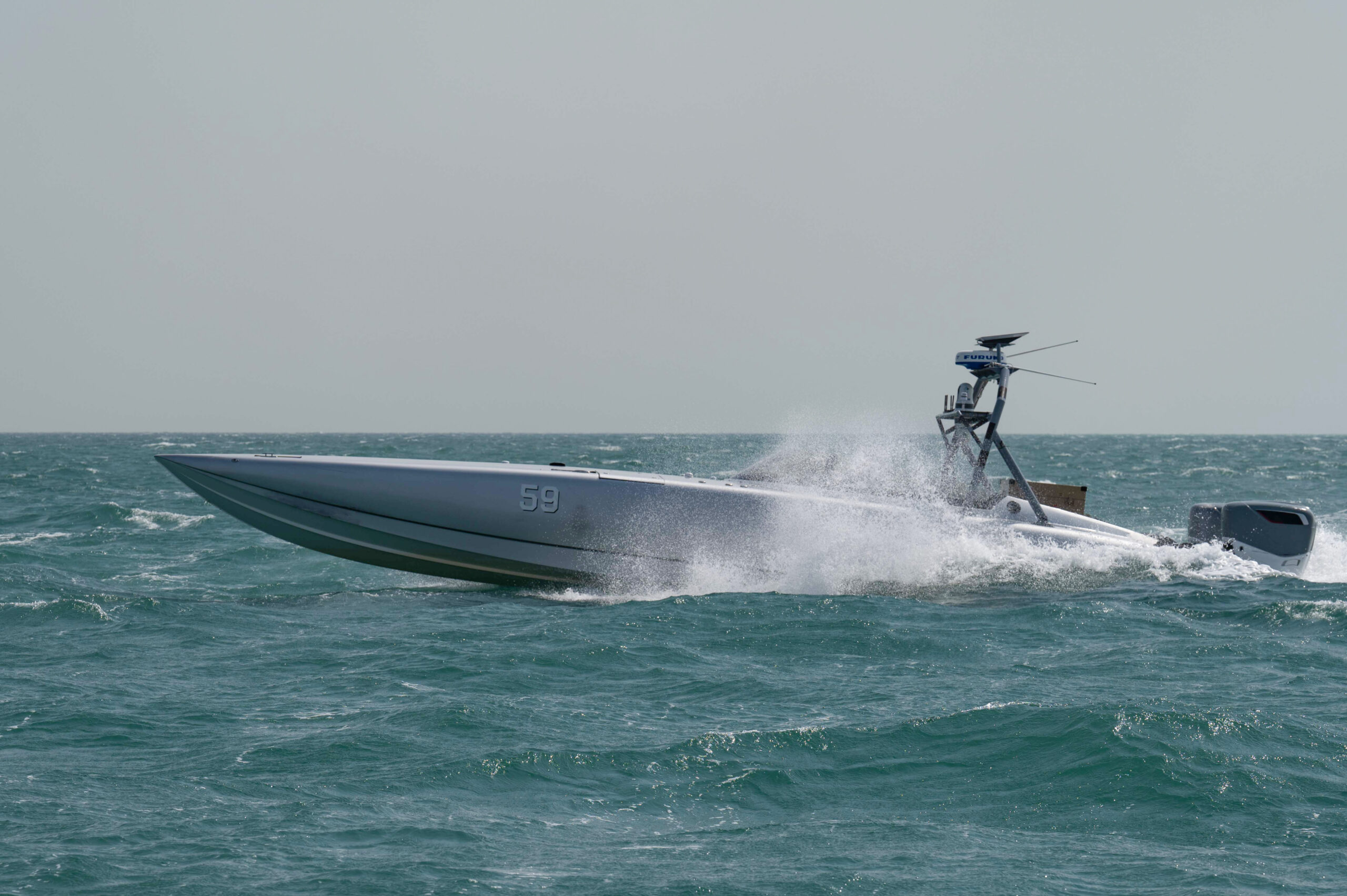
The Apache helicopter, known for its agility and lethal capabilities, is a cornerstone of U.S. Army aviation. Its downing, however, highlights the inherent risks associated with operating advanced rotorcraft in contested environments. The quick deployment of a drone for the rescue operation illustrates not only the effectiveness of unmanned systems in combat scenarios but also the evolving nature of military logistics. Drones are increasingly becoming indispensable, providing real-time situational awareness, rapid response capabilities, and the potential to minimize human risk in high-stakes situations.
This incident occurs against a backdrop of heightened U.S. military presence in the Arabian Gulf, a region fraught with geopolitical tensions. The strategic importance of Oman as a staging ground for operations in the Middle East cannot be understated. The successful rescue operation not only emphasizes the need for advanced technology but also reflects the ongoing investment in capabilities that enhance operational readiness and soldier safety. For defense contractors and investors, this presents a vital insight into the direction of military procurement and the increasing reliance on integrated systems that combine traditional air power with cutting-edge unmanned technology.
Moreover, the collaboration between manned and unmanned systems during this rescue operation paves the way for future innovations in defense strategy. The ability to rapidly deploy drones for reconnaissance, support, and rescue missions is becoming a standard expectation. As military budgets continue to prioritize modernization, the defense industry must focus on developing more resilient and adaptable systems that can operate in tandem with existing platforms. This incident serves as a case study for defense professionals to analyze where future technologies can be integrated into current operations to enhance efficiency and safety.
Looking ahead, the implications of this rescue extend beyond immediate operational tactics. They signal a larger trend in military engagements where drone technology is not just supplementary but a vital component of mission success. As the defense and aerospace sectors continue to innovate, the synergy between manned and unmanned systems will likely define the next generation of military operations. Investors, builders, and strategists must remain vigilant in assessing how these developments will shape the landscape of defense technology and operational effectiveness in the years to come.