US Navy’s unmanned MQ-25A Stingray notches first successful test flight
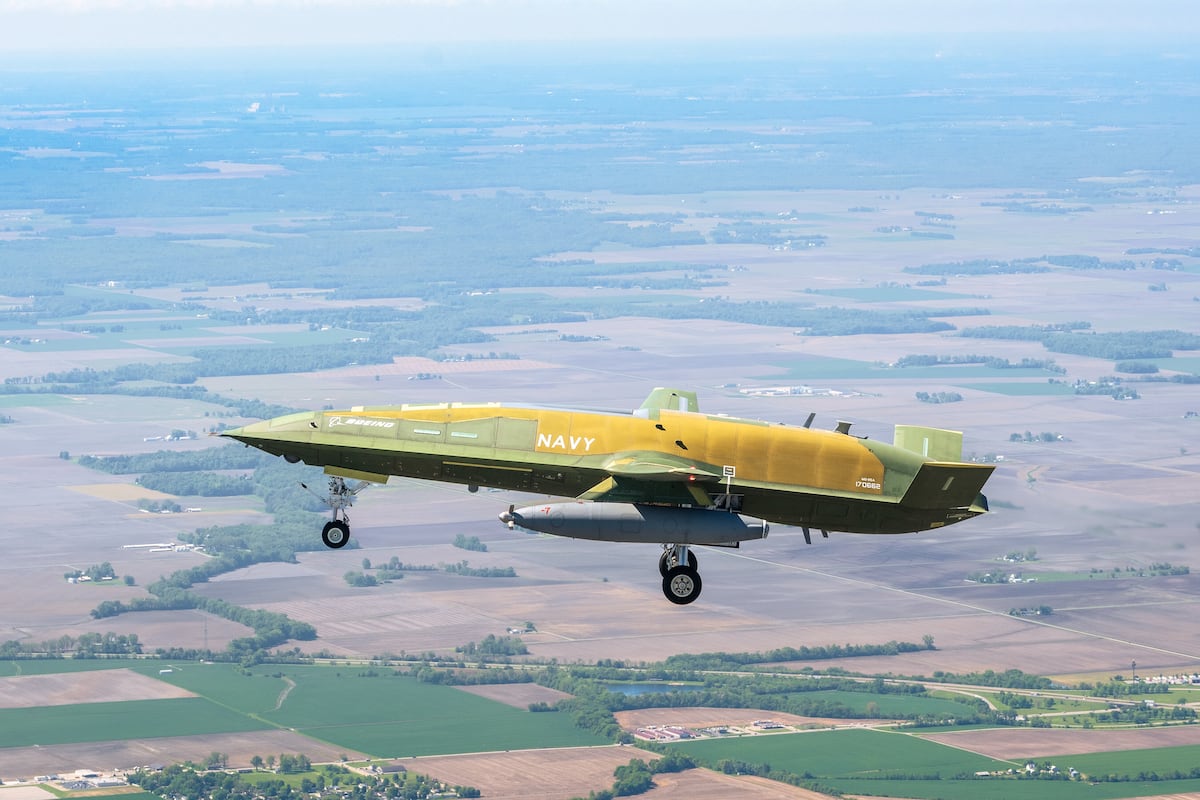
In a significant milestone for naval aviation, the U.S. Navy's unmanned MQ-25A Stingray has successfully completed its first test flight, marking a pivotal advancement in the Navy's efforts to enhance its carrier strike capabilities. This event not only showcases the operational potential of unmanned systems but also underscores the Navy's commitment to integrating advanced technologies into its fleet. The MQ-25A Stingray is designed to function as an aerial refueling drone, extending the range and operational flexibility of carrier-based aircraft, thus shifting the paradigm of naval warfare.
The MQ-25A Stingray program is a cornerstone of the Navy's strategy to modernize its aerial operations. With its ability to refuel manned aircraft, the Stingray can significantly increase the operational endurance of fighters like the F/A-18 Super Hornet and the F-35C Lightning II. This capability is particularly critical as the U.S. Navy faces evolving threats in a complex global landscape. By enabling manned aircraft to remain airborne longer and operate at greater distances, the MQ-25A enhances the Navy's deterrence posture and extends its operational reach.
This successful test flight is not merely a technical achievement; it represents a shift in defense procurement and operational philosophy. The Navy has been increasingly focused on integrating unmanned systems into its existing framework, a move that reflects broader trends in military modernization across the globe. As nations recognize the importance of unmanned capabilities, the MQ-25A sets a precedent for future programs aimed at leveraging autonomous technologies to enhance combat effectiveness and reduce risks to human pilots.
Moreover, the implications of the MQ-25A Stingray extend beyond the Navy's immediate operational needs. The program serves as a model for collaboration between government and industry, exemplifying how public-private partnerships can accelerate technological innovation. Boeing, the prime contractor for the Stingray, has played a crucial role in the development of this unmanned platform, highlighting the importance of strategic partnerships in achieving defense objectives. The successful flight is expected to stimulate further investments in unmanned technologies, ultimately benefiting the broader defense and aerospace sectors.
Looking ahead, the MQ-25A's success is likely to influence future defense strategies and procurement practices. As technology continues to evolve, the Navy's experience with the Stingray could inform the development of other unmanned systems, both in the air and at sea. The integration of such systems into conventional military operations will not only redefine air combat but could also pave the way for innovative approaches to naval warfare. The U.S. Navy's commitment to unmanned technologies signifies a forward-thinking approach, ensuring that it remains at the forefront of technological advancement in defense.
In conclusion, the successful test flight of the MQ-25A Stingray marks an important chapter in the evolution of naval aviation and unmanned systems. As the Navy continues to refine its capabilities, the implications for future military operations and industry collaboration are profound. Stakeholders in the defense and aerospace sectors should take note of this development, as it heralds a new era of operational possibilities and strategic partnerships that will shape the future of military engagements.