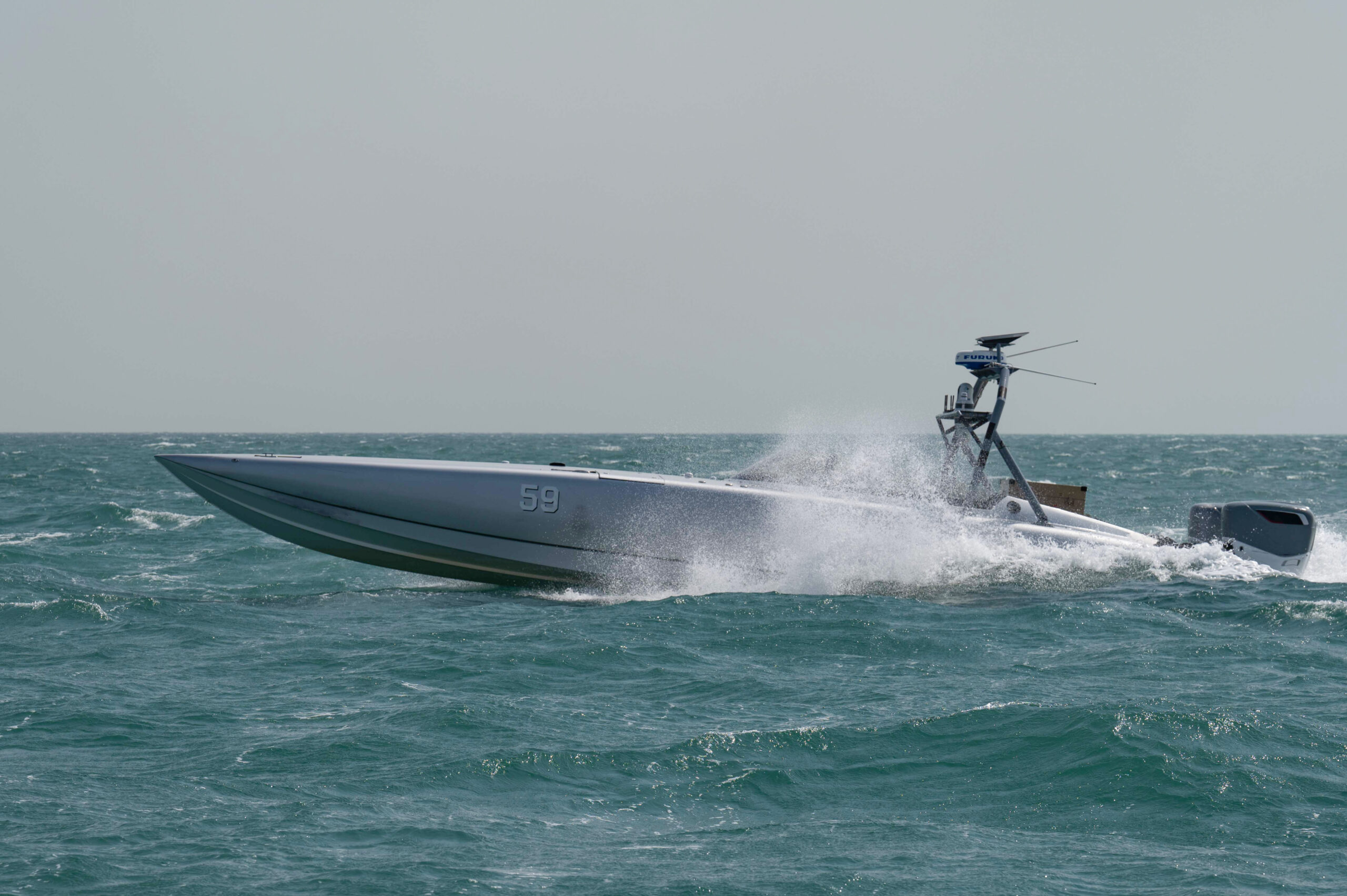
US Navy, Saildrone to use unmanned systems in expanded counternarcotics role
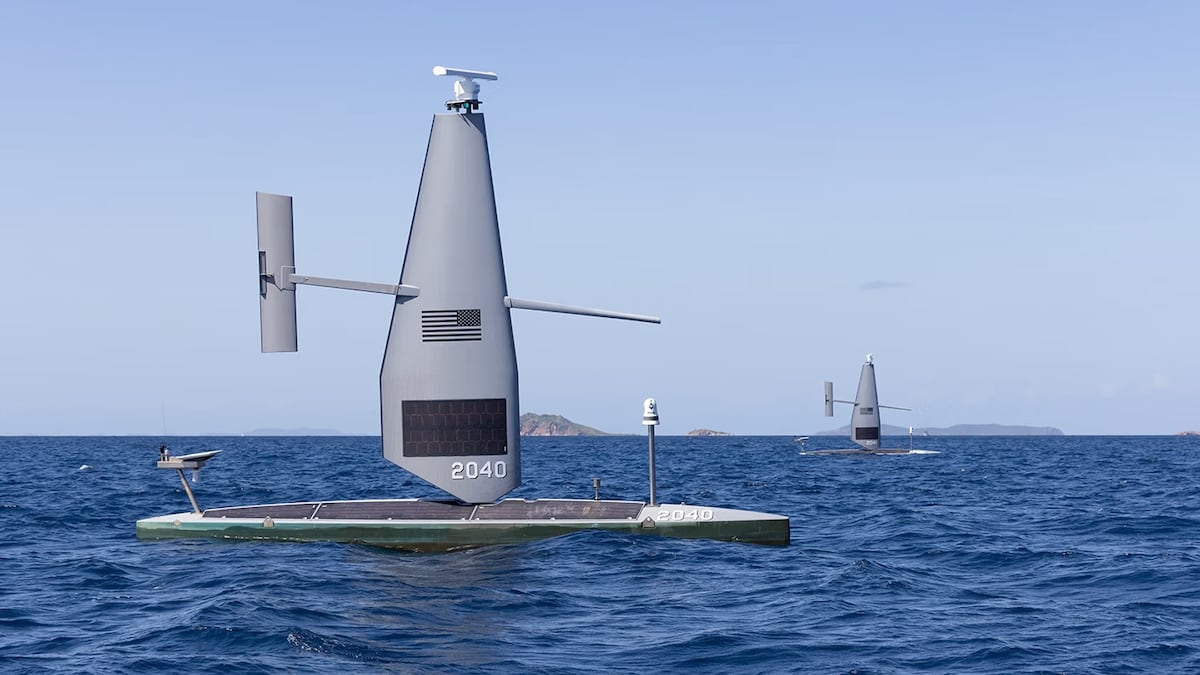
In a significant pivot towards integrating advanced technology into counternarcotics operations, the U.S. Navy has announced a collaborative initiative with Saildrone, a leading provider of unmanned surface vehicles (USVs). This partnership marks a notable expansion of the Navy's role in combating drug trafficking, particularly in international waters. By leveraging unmanned systems, the Navy aims to enhance surveillance and reconnaissance capabilities, ultimately aiming for more effective interdiction of illicit narcotics shipments. This collaboration not only underscores the Navy's commitment to tackling transnational threats but also highlights the growing importance of unmanned systems in modern military operations.
The use of unmanned systems in counternarcotics is not merely a tactical enhancement; it represents a strategic shift in how military resources are allocated and deployed. Traditional methods of surveillance and interdiction often require significant manned assets, which can be costly and logistically challenging. In contrast, Saildrone's USVs offer an innovative solution with their ability to operate autonomously for extended periods, collecting real-time intelligence while reducing the risk to personnel. This capability is particularly crucial in the vast and often unpredictable maritime environments where drug traffickers operate. The data collected by these drones can be invaluable for naval operations, providing actionable insights that can lead to successful interdictions.
Moreover, this initiative reflects a broader trend within the defense industry towards automation and advanced technology integration. As the Navy seeks to modernize its fleet and adapt to 21st-century threats, partnerships with tech firms like Saildrone are becoming increasingly common. This collaboration demonstrates the Navy's recognition of the necessity to innovate and adapt to the evolving landscape of maritime security. Beyond counternarcotics, the technologies developed and refined through this partnership could have broader applications in various military and humanitarian missions, positioning the Navy as a leader in utilizing unmanned systems for diverse operational needs.
For investors and builders in the defense and aerospace sectors, this partnership signals a burgeoning market for unmanned systems and associated technologies. Companies that can provide advanced sensors, data analytics, and unmanned platforms will likely find themselves at the forefront of a rapidly growing field. The Navy's commitment to incorporating unmanned systems into its operational framework is a clear indication that the demand for such technologies will only increase, presenting numerous opportunities for innovation and investment.
In conclusion, the collaboration between the U.S. Navy and Saildrone not only enhances the Navy's capabilities in counternarcotics but also reflects a broader transformation in military strategy. As unmanned systems continue to evolve, their applications will expand, paving the way for a future where unmanned technologies play a central role in defense operations. This partnership serves as a model for how the defense sector can leverage cutting-edge technology to address complex challenges, and it is an exciting time for builders and investors looking to capitalize on this shift towards automation in military operations.