US Navy ends USS Boise submarine overhaul after price tag soars
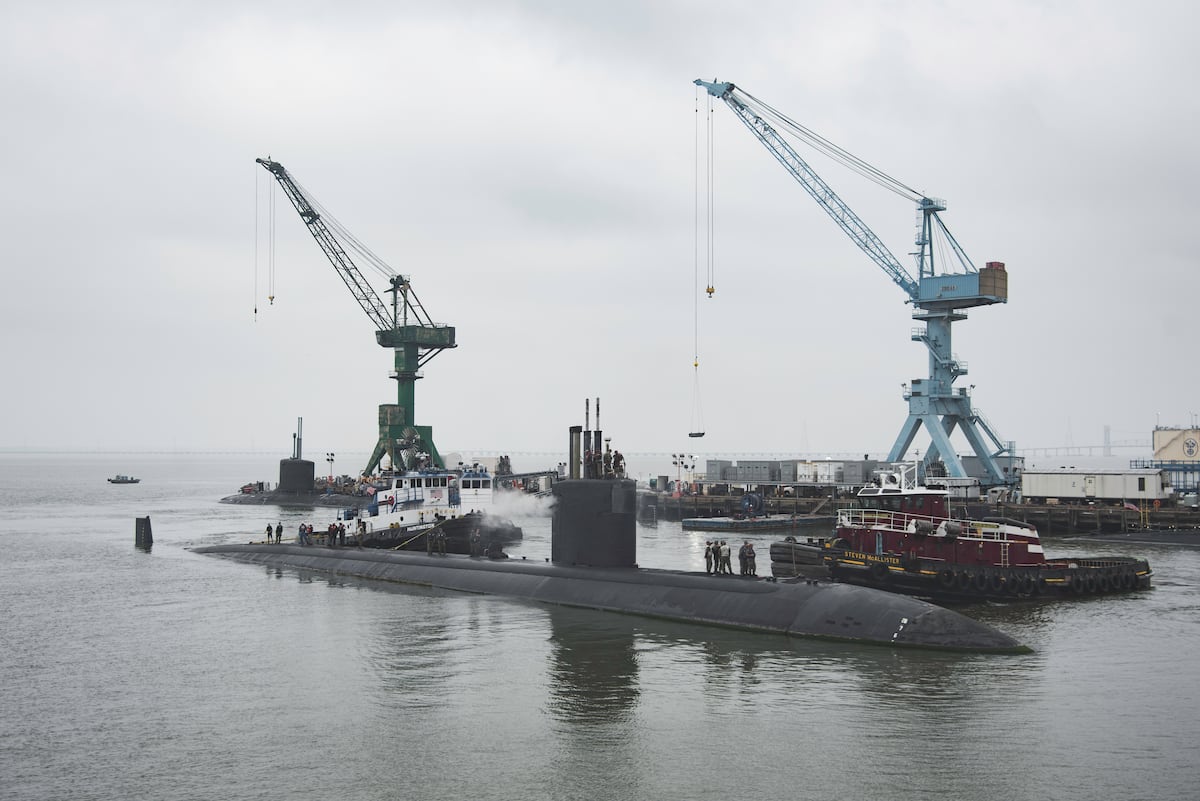
In a significant development for the U.S. Navy and its submarine fleet, the overhaul of the USS Boise has been officially terminated after costs soared well beyond initial projections. The decision to halt the refurbishment of the Los Angeles-class submarine underscores the ongoing challenges the Navy faces in maintaining its aging fleet while balancing budgetary constraints. This situation not only highlights the difficulties associated with naval maintenance but also raises questions about the future of the Navy's modernization efforts and the readiness of its fleet.
Originally commissioned in 1988, the USS Boise has served the U.S. Navy for over three decades, participating in numerous missions and showcasing the capabilities of the Los Angeles-class submarines. However, as these vessels age, the need for extensive overhauls to upgrade systems and ensure operational readiness becomes increasingly critical. The Navy's plan for the Boise was intended to extend its service life and enhance its capabilities. Unfortunately, the rising costs associated with the overhaul have forced the Navy to make a difficult decision that reflects broader trends in defense spending and resource allocation.
The termination of the Boise's overhaul is emblematic of a larger issue within the U.S. Navy: the challenge of managing an aging fleet while simultaneously investing in new technologies and platforms. As the Navy grapples with budget limitations and competing priorities, it must make tough choices about which vessels to modernize and which to retire. The rising costs of maintenance and modernization efforts can often lead to tough calls, particularly as the Navy seeks to address the growing demands for naval power in an increasingly complex global security environment.
This decision also comes at a time when the U.S. Navy is under pressure to enhance its fleet size and capabilities in response to rising geopolitical tensions, particularly in the Indo-Pacific region. With adversaries like China expanding their naval capabilities, the U.S. Navy must ensure its fleet remains competitive. The abrupt end to the Boise's overhaul could hinder the Navy's readiness, as it may now face a shortfall in operational submarines capable of meeting current and future strategic needs. This situation raises concerns about the Navy's ability to project power and maintain a credible deterrent in critical maritime areas.
As the Navy looks to the future, the challenges posed by aging vessels like the USS Boise highlight the urgent need for a comprehensive strategy that addresses both maintenance and modernization. The Navy must prioritize investments in new technologies, while also exploring innovative solutions for maintaining its existing fleet more efficiently. In the face of rising costs and complex operational requirements, it is essential for the Navy to strike a delicate balance between ensuring immediate readiness and planning for long-term capabilities.
In conclusion, the decision to end the overhaul of the USS Boise serves as a stark reminder of the hurdles facing the U.S. Navy today. As it navigates the complexities of an aging fleet and the demands of modern warfare, the Navy must adapt its strategies to ensure it can maintain the operational edge necessary for national security. The implications of this decision extend beyond the USS Boise itself; they underscore the broader challenges of sustaining a robust and capable naval force in an era of evolving threats and fiscal constraints. Moving forward, the Navy must embrace innovative approaches to fleet maintenance and modernization to secure its future readiness and effectiveness on the high seas.