
US Navy, Boeing ink first MQ-25A Stingray production contract
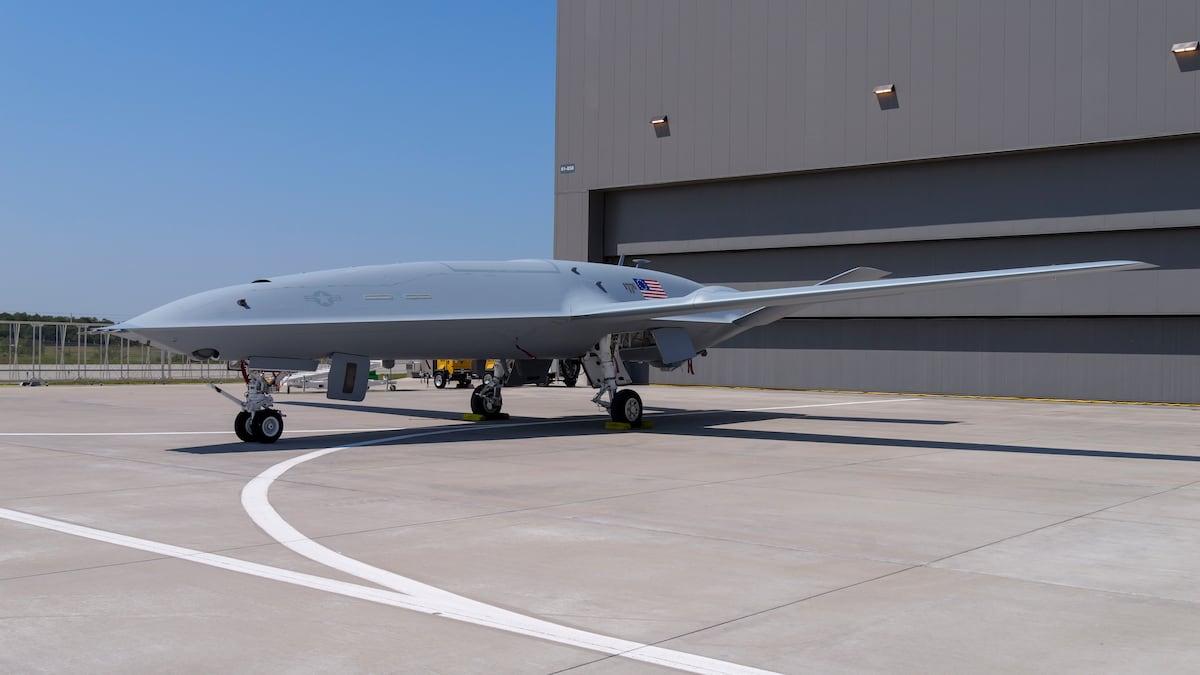
In a landmark development for naval aviation, the U.S. Navy has officially signed its first production contract with Boeing for the MQ-25A Stingray, marking a significant milestone in the evolution of carrier-based unmanned systems. This contract not only solidifies the Stingray's position as a pivotal asset for the Navy but also underscores the increasing reliance on advanced drone technology to enhance operational capabilities in maritime warfare. The production of the MQ-25A is set to reshape the dynamics of naval air operations, enabling the Navy to extend the range and effectiveness of its carrier strike groups.
The MQ-25A Stingray is designed to serve as an aerial refueling platform, allowing for greater operational flexibility for manned fighter jets such as the F/A-18 Super Hornet and the F-35 Lightning II. As a result, the Navy is transitioning towards a more integrated air combat strategy, where unmanned systems play a crucial role in ensuring that aircraft can maintain their combat readiness over longer periods and distances. This capability is particularly vital in an era marked by increasingly complex geopolitical landscapes and emerging threats.
The significance of this production contract extends beyond just the Navy's operational capabilities; it reflects a broader trend within the defense and aerospace sectors towards automation and unmanned technologies. As nations around the world invest in advanced drones, the race to develop and field next-generation unmanned systems is intensifying. The MQ-25A Stingray stands as a testament to the U.S. military's commitment to maintaining technological superiority while adapting to the evolving nature of warfare, where unmanned systems are becoming indispensable.
Moreover, Boeing's involvement in the production of the Stingray highlights the growing collaboration between government and industry in fostering innovation. This partnership is essential for the rapid development and deployment of cutting-edge technologies that can meet the demands of modern defense operations. As the contract paves the way for future production, it is expected to create new jobs and stimulate economic growth, benefiting not only Boeing but also a host of suppliers and contractors in the defense ecosystem.
As we look ahead, the successful integration of the MQ-25A Stingray into the Navy's operational framework will serve as a bellwether for the future of unmanned systems in military applications. The lessons learned from its deployment will undoubtedly influence the design and operational strategies of future programs. With the contract now in place, stakeholders in the defense and aerospace sectors should closely monitor the progress of the Stingray program, as it is likely to set new standards for performance, efficiency, and adaptability in the face of evolving threats. The MQ-25A is not just a drone; it is a transformational asset that could redefine how naval warfare is conducted in the 21st century.



