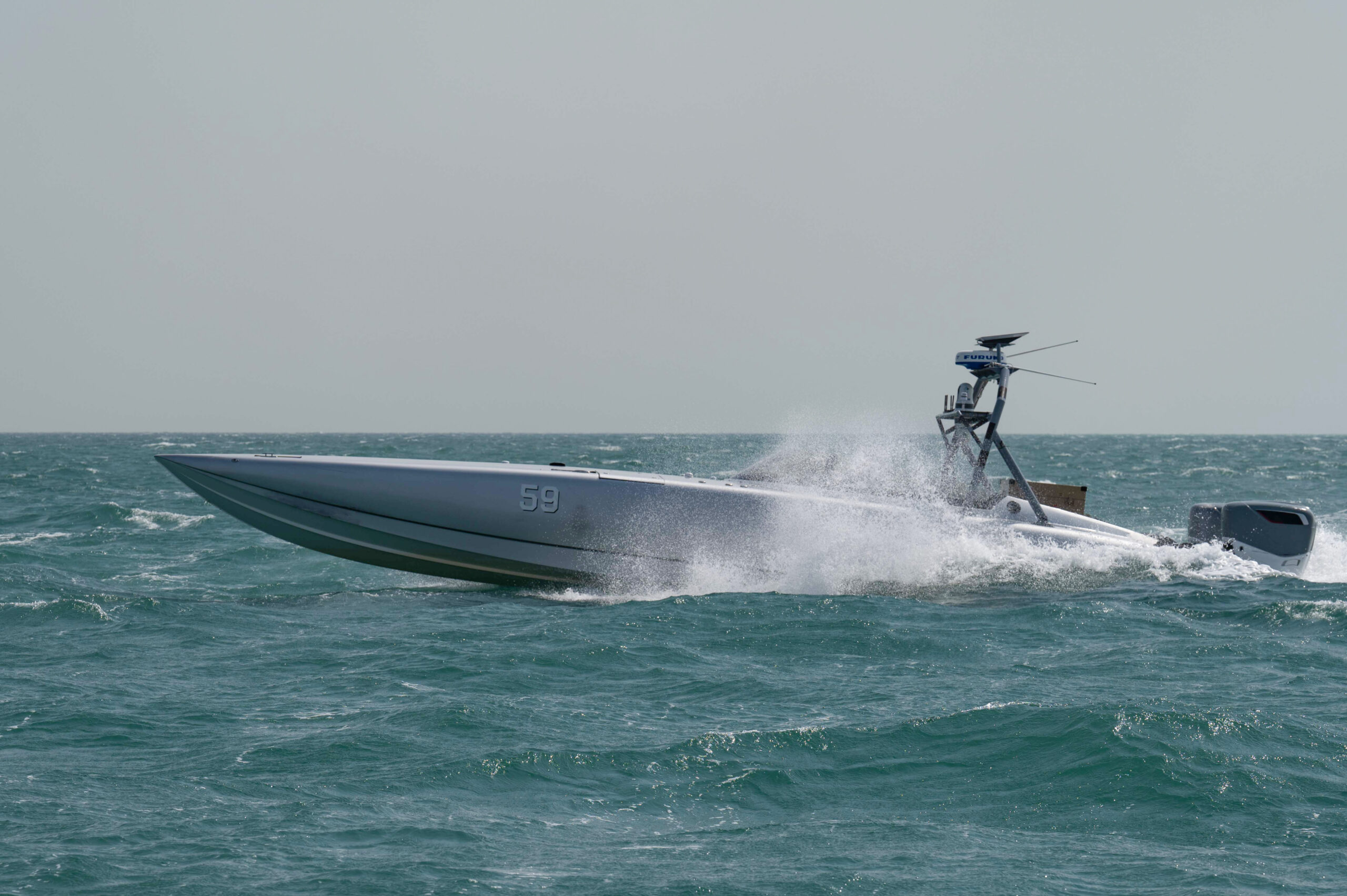
US flexes new ship-sinking weapons at summer naval exercises
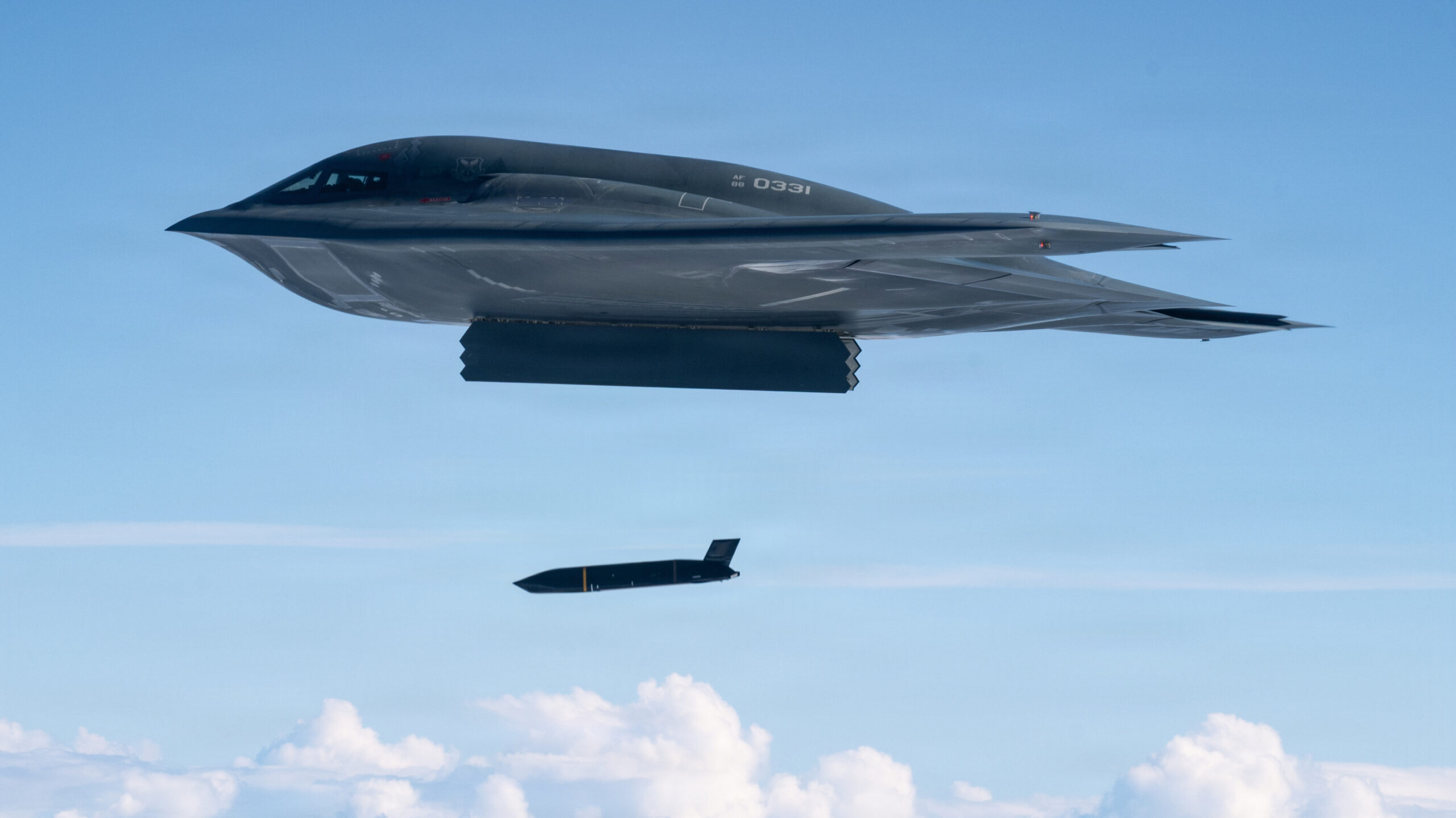
In an era defined by rapidly evolving maritime threats, the recent summer naval exercises conducted by the U.S. Navy showcased cutting-edge ship-sinking weapons that could dramatically reshape naval warfare. As tensions rise in contested waters around the globe, the advanced capabilities demonstrated during these exercises underscore the U.S. commitment to maintaining maritime superiority and deterring potential adversaries. With a focus on precision and lethality, these new systems are not just technological marvels; they signify a strategic pivot in how naval forces will operate in the coming decades.
At the heart of these demonstrations were several newly developed munitions, including hypersonic missiles and advanced torpedoes, designed to target and incapacitate enemy vessels with unprecedented speed and accuracy. The integration of artificial intelligence and advanced targeting solutions into these systems allows for real-time decision-making in highly contested environments, enhancing their effectiveness against a variety of naval threats. This development is particularly relevant as adversaries invest in anti-access/area denial (A2/AD) strategies, aiming to keep U.S. forces at bay. The U.S. Navy's ability to counter these threats with advanced weaponry is vital for maintaining freedom of navigation and securing maritime trade routes.
Moreover, these exercises serve a dual purpose: not only do they demonstrate military capability, but they also signal to allies and partners the U.S. commitment to collective security in key regions. Nations observing these displays are likely to reassess their own defense postures and investment in similar technologies. The ripple effect could lead to an arms race in naval technology, prompting countries to innovate or acquire new capabilities to counterbalance the U.S. advantage. For builders and investors in the defense sector, this presents both challenges and opportunities in terms of partnerships, technology development, and procurement strategies.
The implications of these advancements extend beyond military applications. The defense, aerospace, and technology sectors must consider the broader impact of naval capabilities on global trade and international relations. As nations enhance their naval arsenals, the balance of power in crucial waterways may shift, necessitating a reevaluation of existing defense contracts and investment strategies. Companies involved in the development of defense technologies should be prepared to adapt to the changing landscape, focusing on innovation that aligns with military needs and geopolitical realities.
As we look to the future, the U.S. Navy's commitment to advancing its naval warfare capabilities sets a precedent for how militaries around the world will approach maritime security. The integration of next-generation weaponry not only enhances deterrence but also shapes the operational realities of naval engagements. For industry stakeholders, staying ahead of these trends will be essential, as the demand for cutting-edge technologies will only increase in the face of evolving threats. The U.S. flexing its military muscle through these exercises is a clear signal that the maritime domain remains a critical theater for defense investment and innovation, and those who can adapt will find themselves at the forefront of the next wave of naval warfare.