US Army wants up to 100 drone boats to fill watercraft gap in Pacific
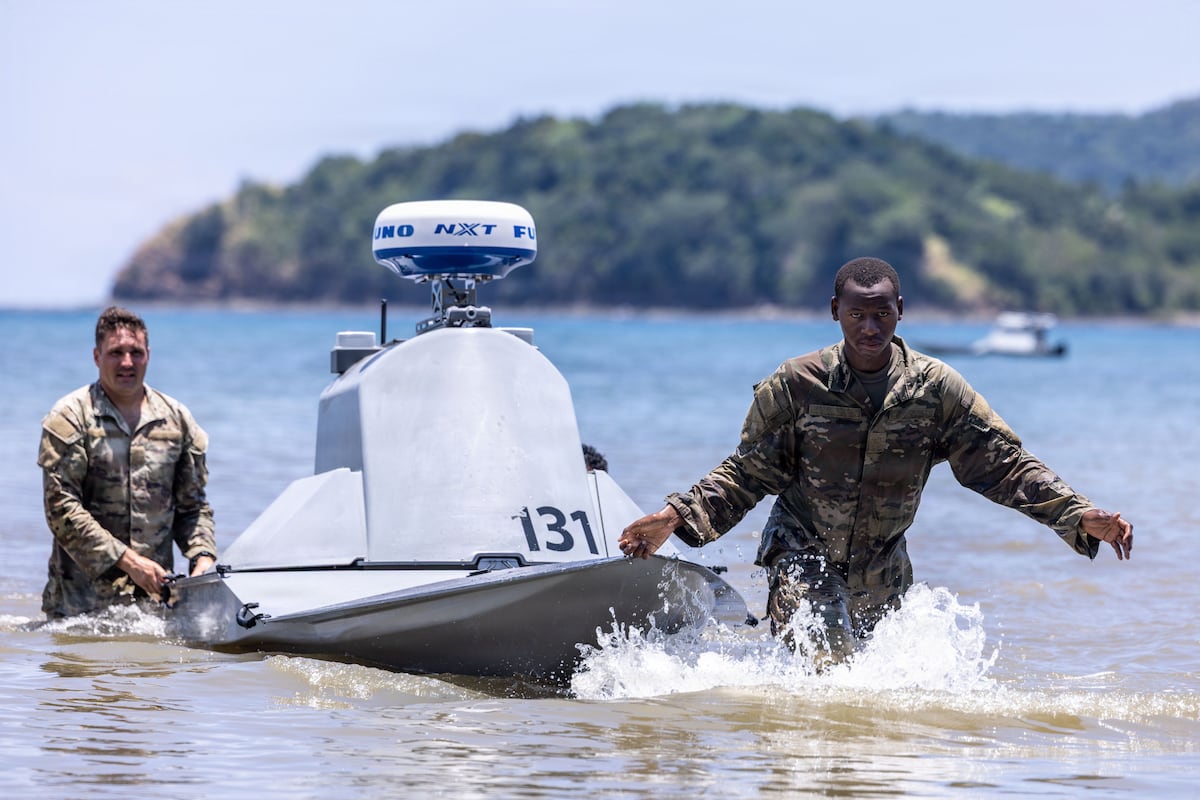
In an era defined by rapid technological advancements and evolving geopolitical dynamics, the U.S. Army's recent proposal to acquire up to 100 drone boats marks a significant pivot in military strategy and capabilities. This initiative aims to address a crucial gap in watercraft capabilities in the Pacific theater, an area increasingly characterized by maritime tensions and strategic competition. With the Army seeking to modernize its approach to amphibious operations and enhance its operational flexibility, the implications of this move reach far beyond the immediate acquisition of unmanned vessels.
The Pacific region has long been recognized as a potential flashpoint for conflict, particularly with rising assertiveness from nations such as China. Traditional naval operations face challenges, including the need for rapid deployment and the ability to operate in contested waters. By integrating drone boats into its operational framework, the Army aims not only to augment its fleet but to leverage unmanned systems that can carry out reconnaissance, resupply missions, and support joint operations without putting personnel at risk. This aligns with broader trends across the military services to enhance unmanned capabilities while also addressing the complexities of modern warfare.
The proposed drone boats will likely be equipped with advanced sensors and communication systems, allowing them to operate autonomously or be remotely controlled. This adaptability is essential in the Pacific, where diverse maritime environments and the potential for asymmetric warfare present unique challenges. By investing in unmanned surface vessels, the Army can create a more versatile and responsive maritime presence, complementing the capabilities of the Navy and Coast Guard while reducing logistical burdens and costs associated with manned vessels.
Moreover, the push for drone boats highlights a shift in defense priorities, emphasizing the importance of integrating new technologies into military operations. The defense industry should take note of this trend, as it opens up various opportunities for investment and innovation in unmanned systems, artificial intelligence, and maritime autonomy. Companies that can deliver cutting-edge solutions in these areas will find themselves well-positioned to contribute to the evolving landscape of military operations and potentially secure lucrative contracts with the Department of Defense.
As the U.S. Army moves forward with this initiative, it is also essential to consider the broader implications for international security and defense collaboration. The introduction of drone boats into the Pacific may prompt neighboring countries to reassess their own naval strategies and capabilities. This could lead to an arms race in unmanned maritime systems, underscoring the need for dialogue and cooperation among regional powers to mitigate tensions and promote stability.
In conclusion, the U.S. Army's ambition to field up to 100 drone boats represents a forward-thinking approach to modern military challenges. By enhancing its capabilities in the Pacific, the Army is not only addressing immediate operational needs but also setting the stage for a new era of warfare defined by technological innovation and strategic foresight. As this initiative unfolds, stakeholders in the defense and technology sectors must remain vigilant, ready to adapt to the shifting tides of military engagement in the 21st century.