US Air Force looks to acquire target drones that can mimic stealth jets
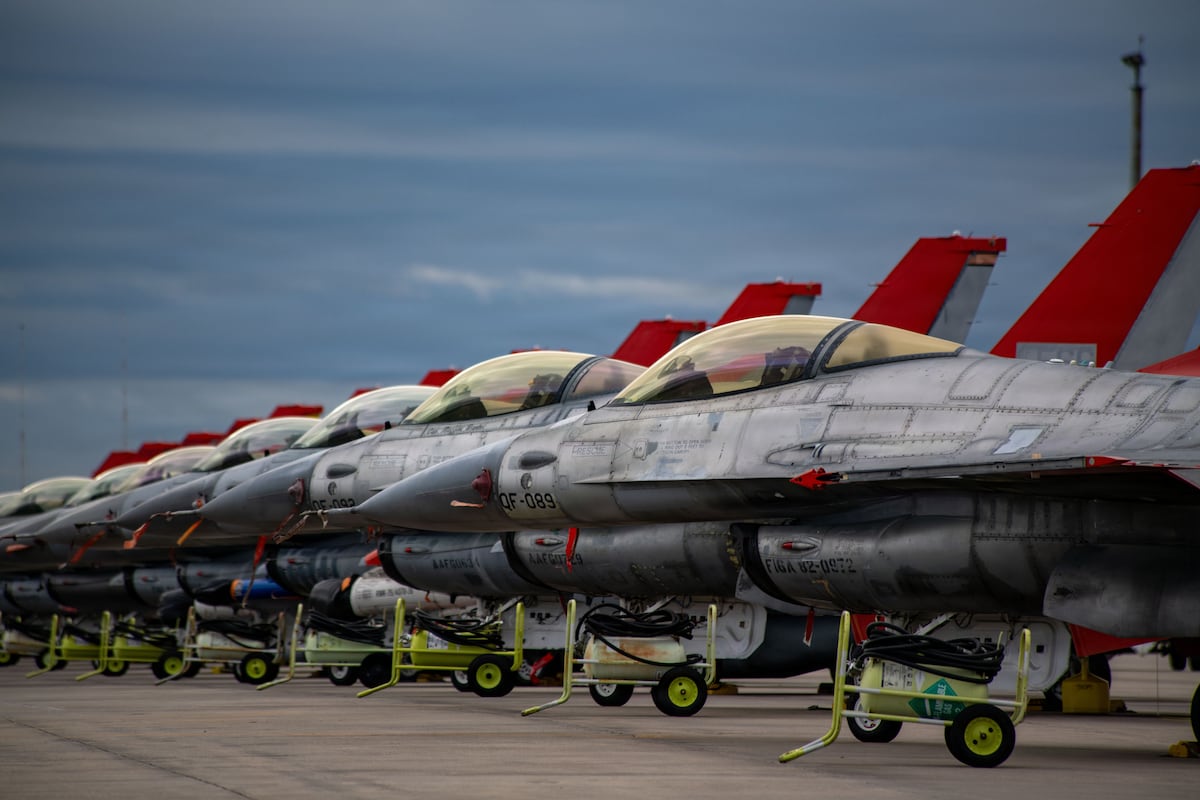
In a strategic move that underscores the evolving landscape of military training and readiness, the U.S. Air Force has announced its intent to acquire unmanned aerial vehicles (UAVs) designed to replicate the radar signatures and flight characteristics of stealth aircraft. This decision comes at a pivotal time as military forces worldwide strive to enhance their training capabilities in the face of increasingly sophisticated adversary technologies. The ability to simulate stealth jets during training exercises is not just a tactical advantage; it represents a significant leap forward in the realm of aerial combat training and operational effectiveness.
Target drones have long been a staple of military exercises, providing a means for pilots and air defense systems to practice engagement scenarios. However, the introduction of drones that can mimic stealth jets presents a game-changing opportunity for the U.S. Air Force. Current training methods often rely on conventional aircraft, which can lead to gaps in readiness when confronted with true stealth capabilities in actual combat scenarios. By integrating these advanced target drones, the Air Force aims to provide its personnel with a more realistic and challenging training environment, thereby better preparing them for the complexities of modern aerial warfare.
The implications of this acquisition extend beyond mere training enhancements. The development and deployment of these advanced target drones could stimulate innovation within the defense contracting community, particularly among companies specializing in UAV technologies. As defense budgets fluctuate and the demand for cost-effective solutions rises, the ability to rapidly produce and deploy realistic training aids will be crucial. This initiative could pave the way for increased collaboration between government entities and private sector innovators, fostering a new era of defense technology development.
Moreover, the focus on stealth mimicking technology reflects broader trends in the global defense landscape, where adversaries are continuously advancing their own stealth capabilities. Nations such as China and Russia are investing heavily in next-generation aircraft that employ advanced stealth features to evade detection. The U.S. Air Force's move to acquire target drones that can realistically simulate these capabilities is not merely a response but a proactive strategy to maintain technological superiority and ensure that its aircrews are well-prepared for any challenge they may face.
As we look ahead, the integration of these target drones into training programs will likely influence procurement strategies across the defense sector. Investors and builders within the aerospace and defense community should take note of this trend, as it signals a shift towards more adaptable and realistic training solutions. The ability to create a competitive edge through advanced simulation technology will become increasingly vital as nations seek to assert their dominance in the aerospace domain. In this rapidly evolving environment, staying ahead of technological advancements will be essential for both military readiness and industry leadership.
In conclusion, the U.S. Air Force's initiative to acquire drones that mimic stealth jets represents a critical step towards enhancing military training and operational effectiveness. As defense contractors and technology developers respond to this demand, we may see a renaissance of innovation in drone technology, ultimately benefiting not just military applications but also commercial sectors that rely on advanced UAV capabilities for a variety of purposes.