U.S. AFRICOM Experimenting With ‘Zone Defense’ Concept For Countering Drones
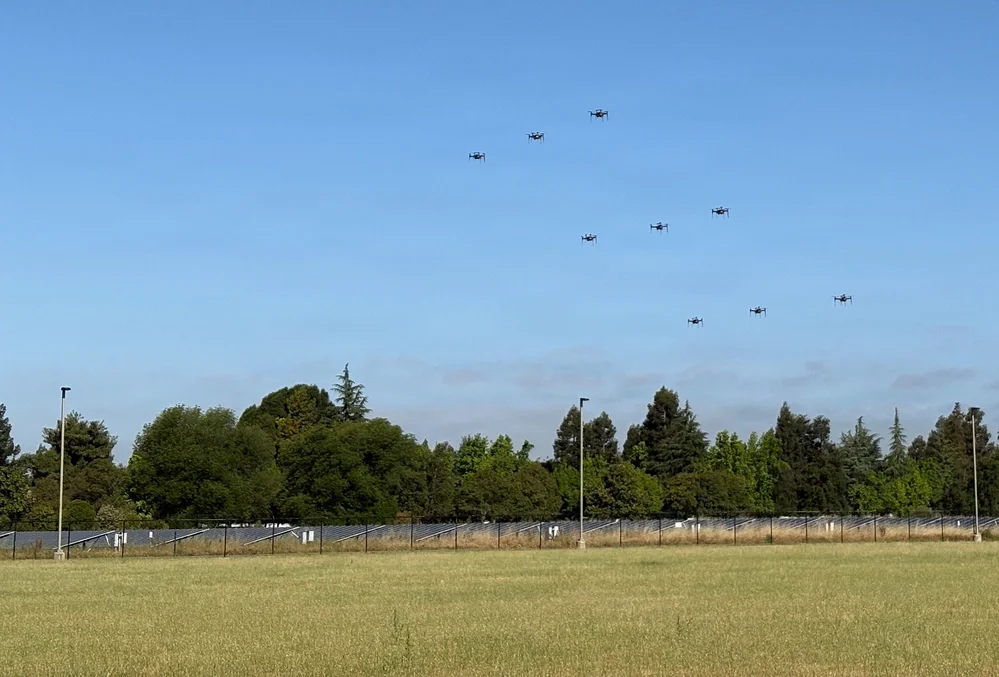
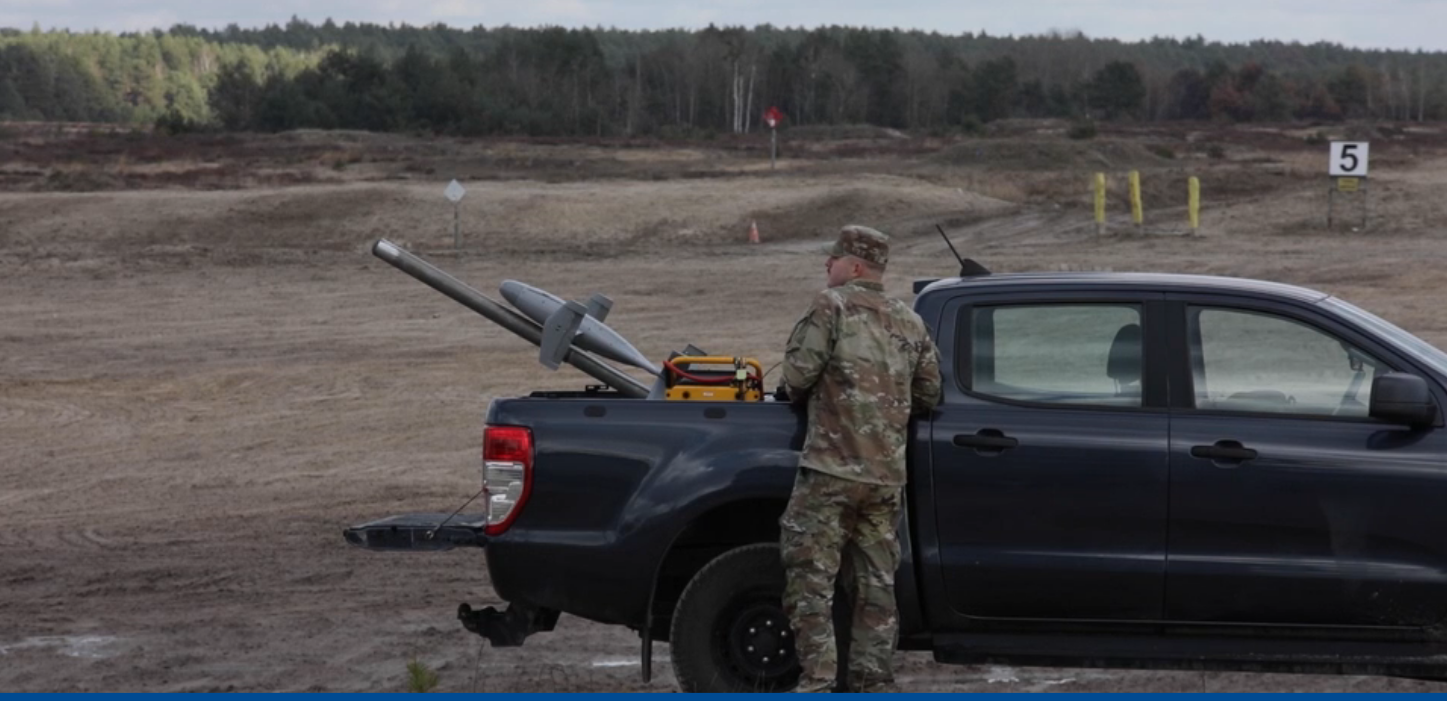
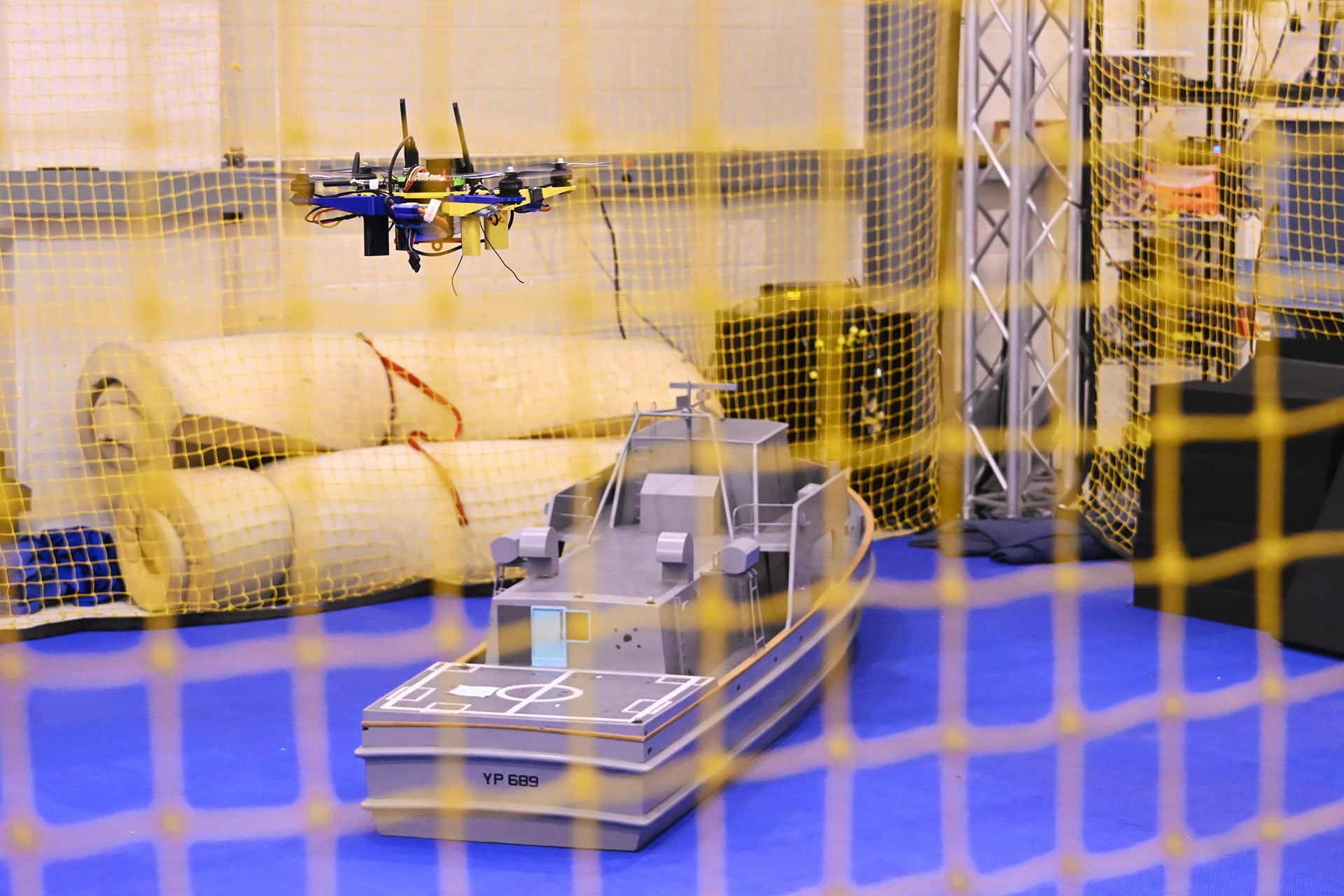
In an era marked by the rapid proliferation of unmanned aerial systems (UAS), the need for innovative defense strategies has never been more critical. The United States Africa Command (AFRICOM) is currently experimenting with a 'zone defense' concept aimed at countering the threat posed by drones across the African continent. This strategic approach, which leverages a multi-layered defensive posture, could significantly enhance the U.S. military's capability to engage with and neutralize hostile drones, showcasing a proactive response to a growing concern in modern warfare.
The 'zone defense' concept is particularly relevant in the African context, where the use of drones for surveillance, reconnaissance, and even attack missions has surged. This trend poses not only a tactical challenge for U.S. forces but also highlights the broader implications for regional stability and security. By focusing on a zone defense strategy, AFRICOM aims to create a coherent and integrated defense network that can effectively monitor and respond to drone incursions, thereby mitigating risks to both military operations and civilian populations.
Crucially, the concept revolves around the deployment of various technologies and assets in a coordinated manner—integrating radar systems, electronic warfare capabilities, and kinetic interceptors to form a protective bubble over critical areas. This paradigm shift from traditional point defense to a more holistic zone approach reflects the understanding that modern threats require adaptive and flexible responses. As adversaries continue to innovate, so too must the U.S. military adapt its strategies and technologies to maintain operational superiority.
Furthermore, the implications of successful implementation of the zone defense strategy extend beyond Africa. The lessons learned and technologies developed could influence U.S. military doctrine globally, as nations grapple with similar drone threats. The potential for collaboration with allied nations in developing and sharing these defensive concepts could also enhance interoperability and strengthen partnerships, paving the way for more robust collective security arrangements.
As AFRICOM continues its experiments with zone defense, the defense, aerospace, and technology communities must pay close attention. The outcomes of these trials could lead to significant advancements in airspace security protocols and the development of next-generation counter-UAS systems. For investors and builders in the defense sector, this represents not only a challenge but also an opportunity to engage with emerging technologies that will shape future defense capabilities.
Looking ahead, the success of the zone defense concept could redefine how military operations are conducted in contested airspaces. As drone technology evolves, so too must the strategies employed to counter them. The proactive measures being taken by AFRICOM reflect a commitment to maintaining security in a rapidly changing landscape, and they underscore the importance of innovation in defense strategies to safeguard national interests and protect lives. The future of military engagement will undoubtedly be shaped by how effectively the U.S. and its allies can adapt to and counter the multifaceted drone threat.