Turning Water Into Hydrogen for Military Drones & Backup Power | Rick Harlow
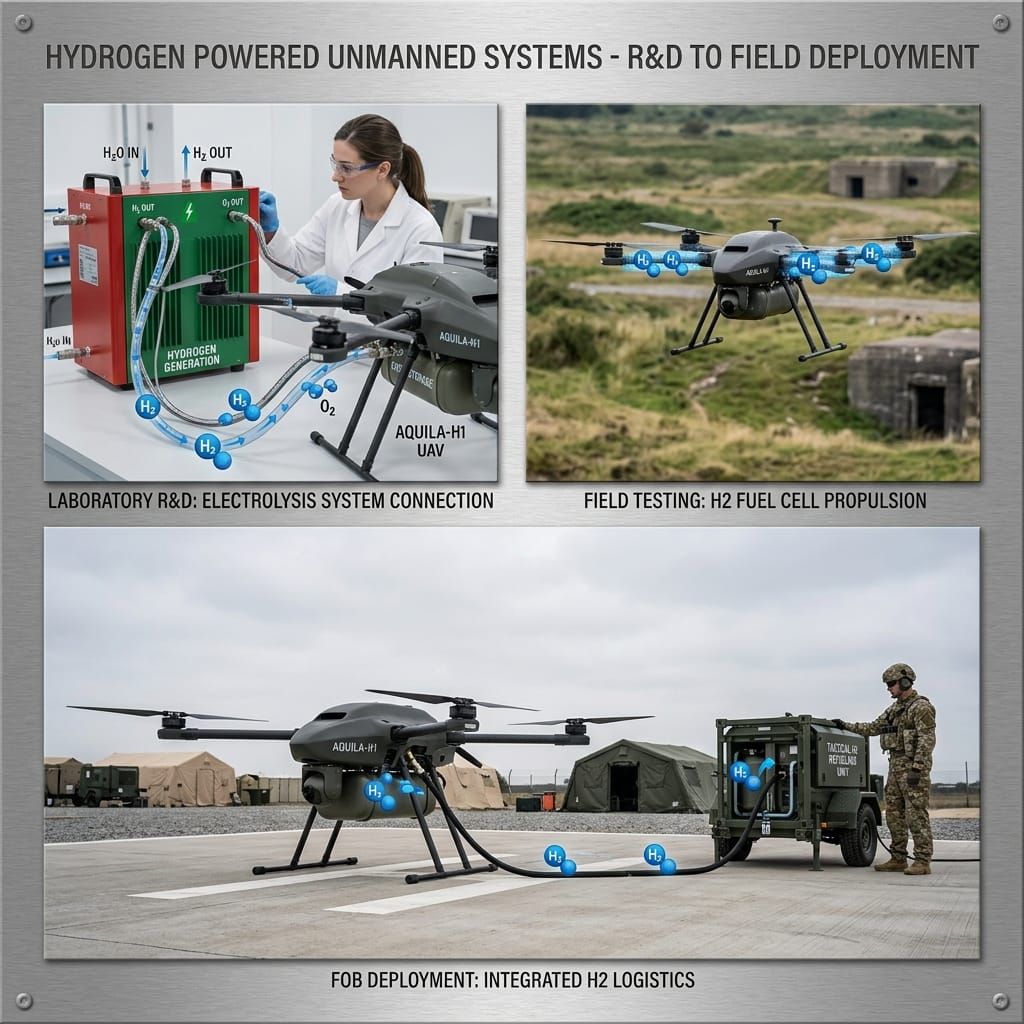
In an era where sustainability and efficiency are paramount, the conversion of water into hydrogen presents a groundbreaking opportunity for military operations. Rick Harlow, in his recent podcast episode, delves into the transformative potential of hydrogen as a fuel source for military drones and backup power systems. This innovative approach not only addresses the pressing need for energy independence but also aligns with broader military objectives of operational resilience and environmental stewardship.
Hydrogen, when extracted from water through electrolysis, offers a clean and efficient energy solution that could significantly enhance the operational capabilities of unmanned aerial systems (UAS). For defense contractors and military strategists, the implications are profound. Drones powered by hydrogen fuel cells could extend flight times, reduce logistical burdens related to fuel supply chains, and minimize the carbon footprint of military activities. As defense budgets increasingly prioritize green technologies, hydrogen presents a viable alternative that aligns with these fiscal and ethical imperatives.
The military's historical reliance on fossil fuels has exposed vulnerabilities, particularly in contested environments where supply lines can be targeted. Harlow’s insights suggest that hydrogen-powered drones could operate in remote locations with minimal infrastructure support, fundamentally altering the logistics of military operations. This capability not only enhances strategic positioning but also offers a tactical advantage by ensuring that drones can remain operational for extended periods without the risk of running out of fuel.
Moreover, the dual-use potential of hydrogen technology cannot be overlooked. Beyond military applications, the same systems could be adapted for civilian use, providing backup power solutions in disaster-stricken areas or during critical infrastructure failures. This adaptability positions hydrogen not only as a defense asset but also as a key player in the broader energy landscape, appealing to investors and innovators alike who are looking for sustainable, scalable solutions.
As we look towards the future, the advancements in hydrogen technology for military applications will likely catalyze further research and development. The defense sector's interest in hydrogen is indicative of a larger trend towards innovative energy solutions that promise to reshape military operations. While challenges remain in the areas of storage, transportation, and infrastructure, the momentum generated by early adopters in the military could pave the way for widespread adoption across various sectors.
In summary, Harlow’s exploration of turning water into hydrogen for military drones and backup power emphasizes a pivotal shift in the defense industry towards sustainability and resilience. As stakeholders in the defense, aerospace, and technology sectors consider the implications of this innovation, it is clear that hydrogen could play a significant role in redefining operational capabilities and energy strategies in the coming years.