Picogrid and the Defense Integration Problem | Zane Mountcastle
The defense sector is undergoing a seismic shift, driven by rapid advancements in technology, evolving threats, and the pressing need for integration. In this context, the recent insights shared by Zane Mountcastle on the emerging role of Picogrid offer a compelling glimpse into the future of military operations. As defense contractors and industry leaders grapple with the complexities of integrating new technologies into existing frameworks, Picogrid stands out as a potential game-changer in addressing what Mountcastle describes as the 'defense integration problem.'
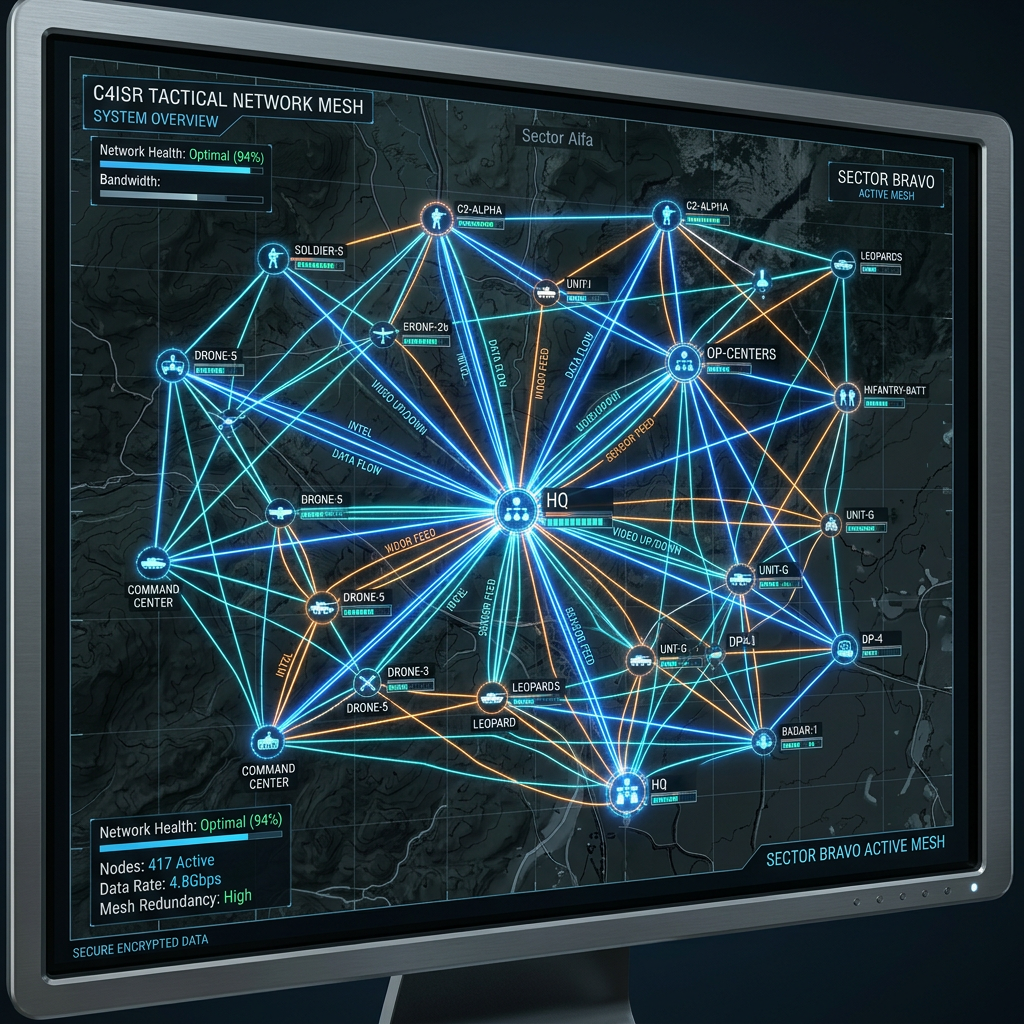
The crux of the defense integration problem lies in the fragmentation of systems and platforms that often fail to communicate effectively. This is particularly relevant in an era where unmanned systems, cyber capabilities, and advanced munitions are becoming integral to military strategy. Mountcastle’s discussion emphasizes that as we integrate more advanced technologies like drones and autonomous vehicles into our defense arsenal, the requirement for seamless interoperability becomes essential. Picogrid aims to facilitate this interoperability through a decentralized approach, allowing disparate systems to work together in real-time.
One of the standout features of Picogrid is its focus on enhancing data sharing and situational awareness across various platforms. In a battlefield scenario, having the ability to quickly exchange information between drones, ground vehicles, and command centers can mean the difference between mission success and failure. This capability is not merely a technological enhancement; it represents a paradigm shift toward a more agile and responsive military force. For builders and investors in the defense sector, understanding and supporting innovations like Picogrid could unlock significant strategic advantages.
Moreover, as defense budgets continue to face scrutiny and the demand for cost-effective solutions rises, the need for integration and efficiency becomes even more pressing. Mountcastle’s insights suggest that Picogrid could help mitigate costs by reducing redundancies and improving resource allocation. By enabling various systems to communicate and collaborate more effectively, defense organizations can streamline their operations, ultimately leading to more impactful outcomes.
Looking ahead, the potential implications of Picogrid extend beyond just military applications. The principles of interoperability and decentralized communication could find applications in humanitarian missions, disaster response, and even civilian sectors. For defense industry professionals, this opens up new avenues for collaboration and innovation. As the landscape of defense technology continues to evolve, those who embrace solutions like Picogrid may find themselves at the forefront of a more integrated, efficient, and effective military enterprise.
In conclusion, as we navigate the complexities of modern warfare and defense operations, the insights from Zane Mountcastle highlight a critical path forward. The integration of technologies like Picogrid is not just an option; it is a necessity for maintaining operational effectiveness in an increasingly dynamic environment. The challenge will be for defense contractors, investors, and military leaders to recognize the importance of these innovations and to foster an ecosystem that encourages their development and deployment.