Starlink outage hit drone tests, exposing Pentagon’s growing reliance on SpaceX
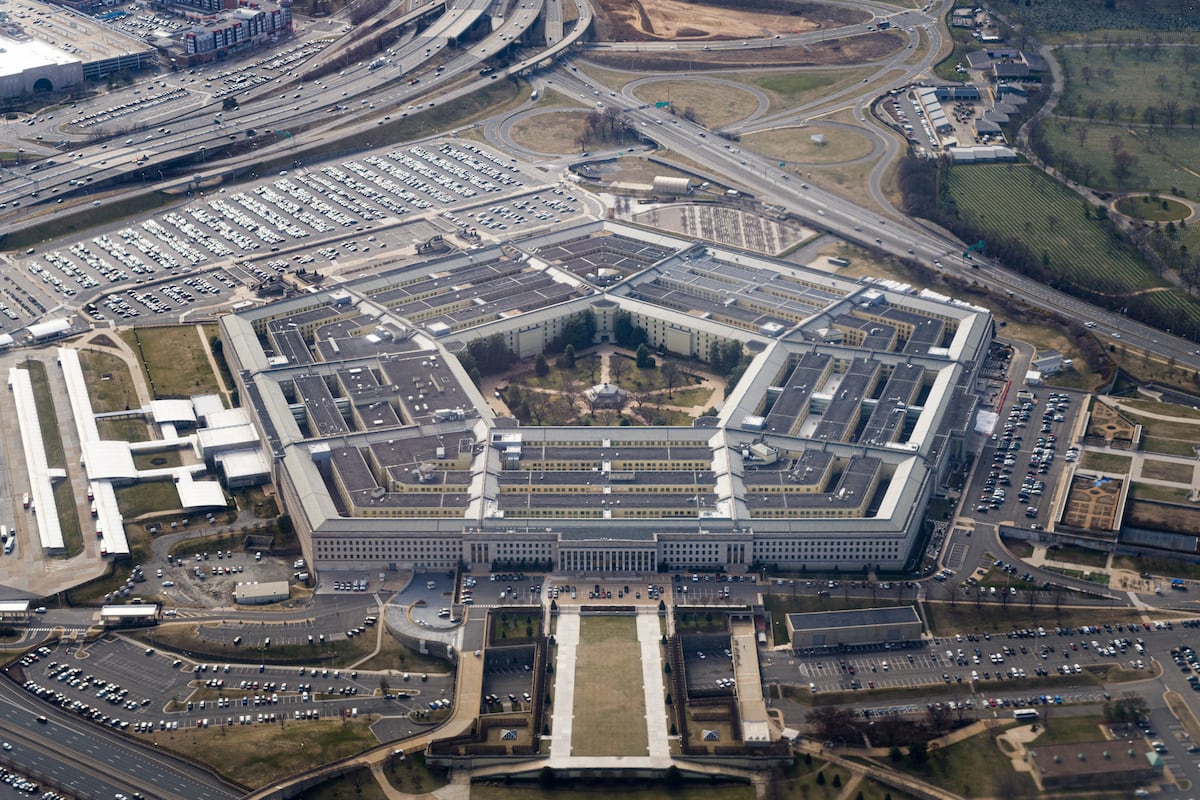
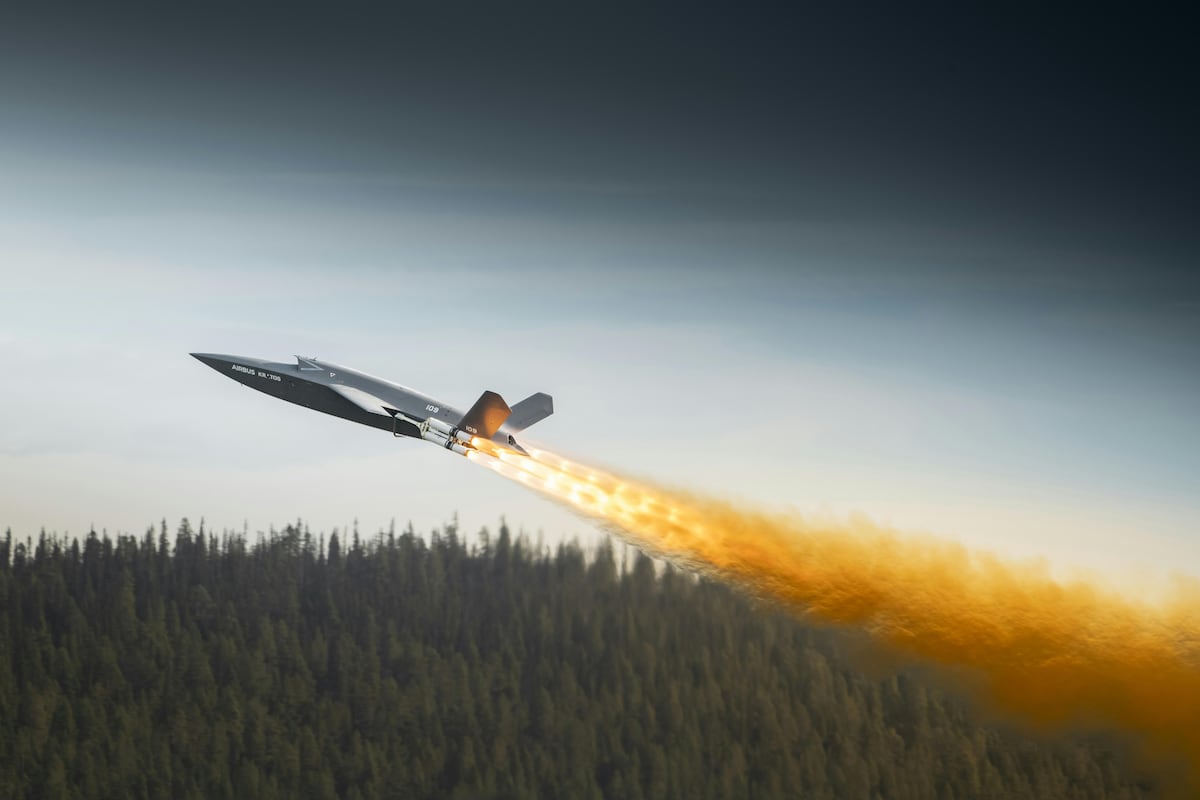
In an era where technology underpins military operations, a recent Starlink outage has raised alarm bells within the Pentagon and the defense community at large. The incident, which disrupted critical drone tests, underscores the growing dependence of the U.S. military on commercial space assets, particularly those provided by SpaceX. This episode not only highlights the vulnerabilities inherent in relying on a singular commercial provider for mission-critical capabilities but also serves as a wake-up call for strategists and lawmakers about the potential risks posed by such dependencies.
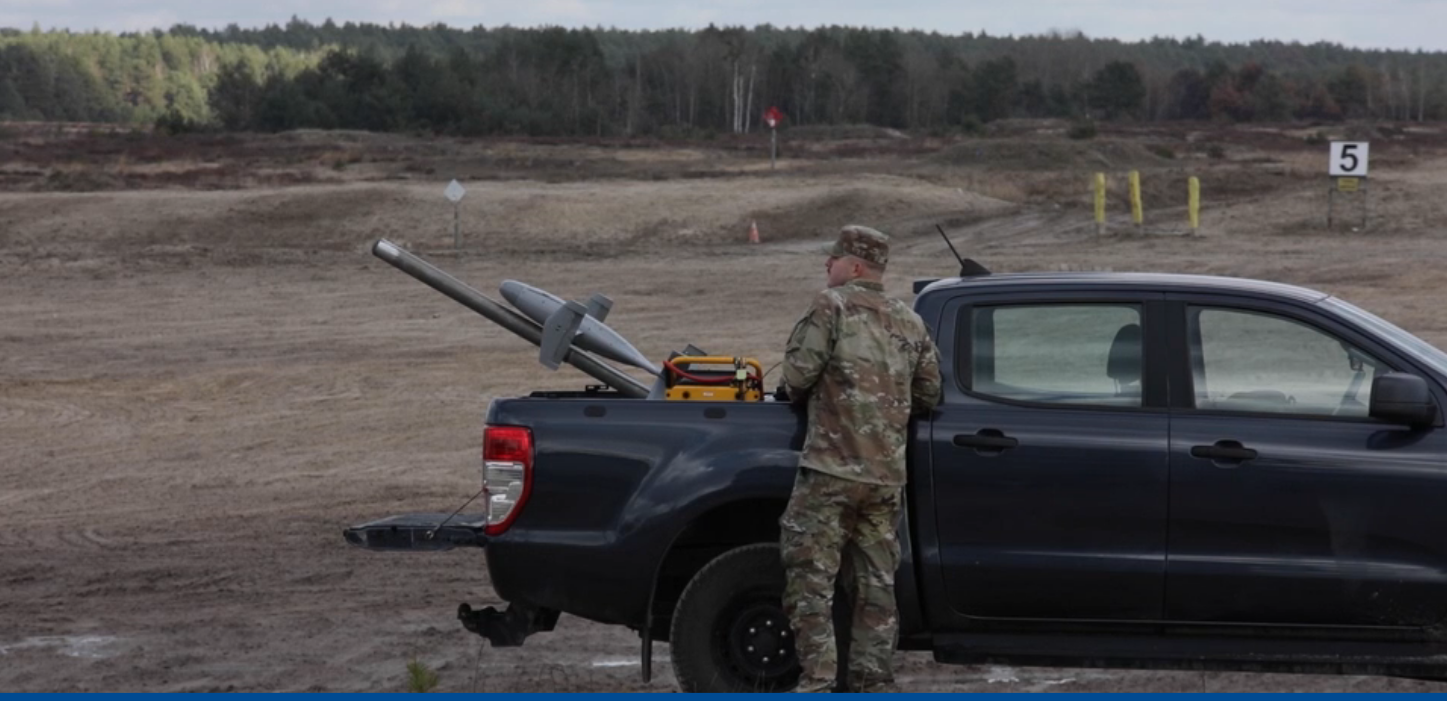
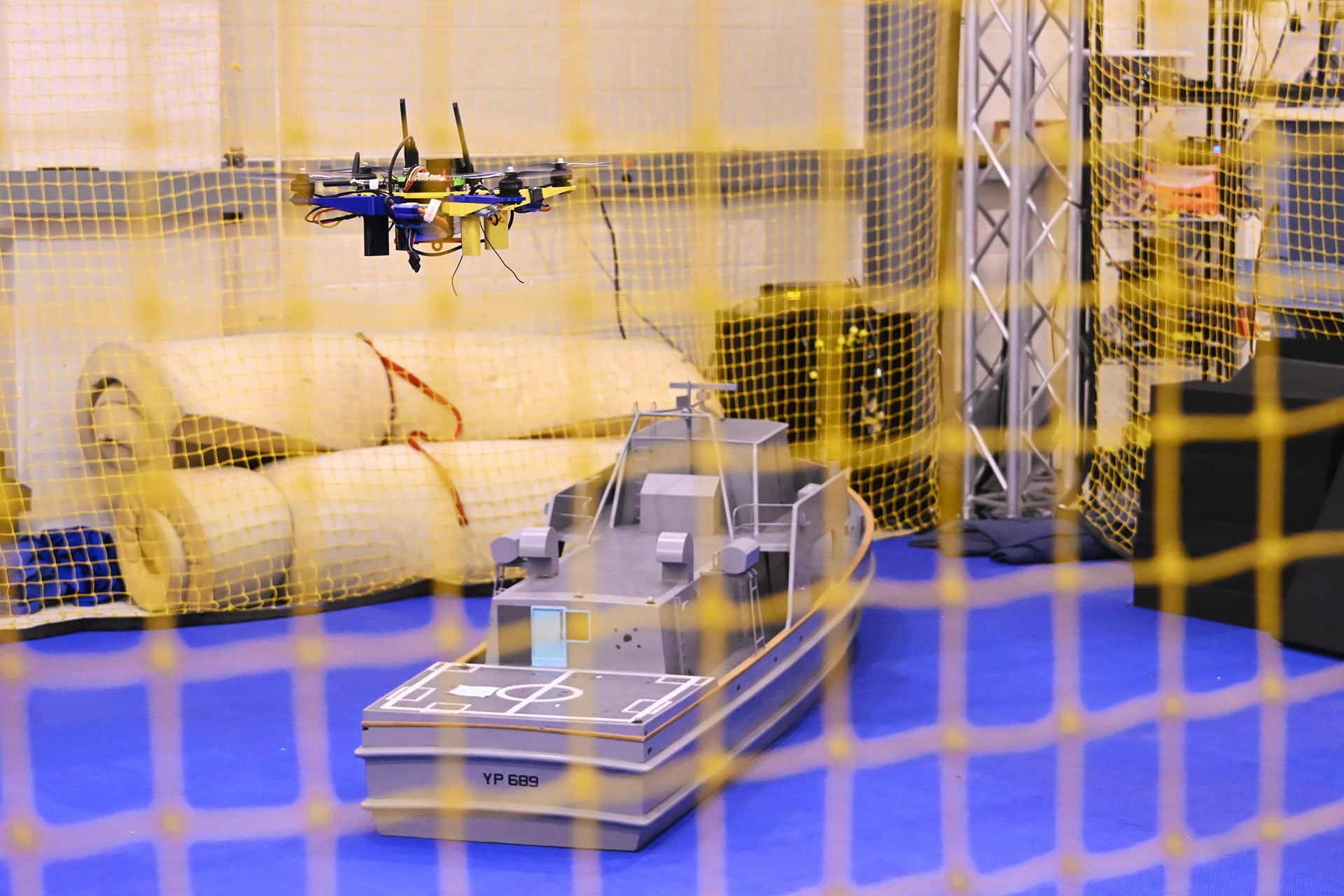
As the military increasingly integrates advanced technologies into its operations, the need for reliable communications has never been more pressing. Drones, which are becoming essential tools for reconnaissance and combat operations, rely heavily on satellite communications for control and data transmission. The recent outage, which left operators unable to effectively manage their unmanned aerial vehicles, raises significant questions about the robustness of these systems. With the Pentagon's growing reliance on Starlink for connectivity, the implications of such outages are more than just technical glitches; they pose operational risks that could affect mission outcomes in critical scenarios.
This dependence on SpaceX is emblematic of a broader trend within the defense sector—an embrace of commercial technology solutions that promise rapid deployment and innovation. While partnerships with private companies have undeniably accelerated advancements in defense capabilities, they also introduce new layers of complexity and risk. The Starlink incident serves as a reminder that while the U.S. military may benefit from the agility and cost-effectiveness of commercial solutions, it must also consider the strategic implications of ceding control over essential communication infrastructure to a single entity.
The current landscape of defense procurement and technology deployment calls for a reevaluation of how military capabilities are sourced and managed. As the Pentagon navigates this complex relationship with commercial partners, it may need to adopt a more diversified approach to ensure redundancy and resilience in its operations. This could involve fostering relationships with multiple satellite communication providers or investing in alternative technologies that can serve as backup systems during outages.
Moreover, this incident could serve as a catalyst for Congressional oversight and policy discussions aimed at safeguarding military operations against similar vulnerabilities in the future. Lawmakers must recognize the potential risks associated with over-reliance on commercial entities and work toward establishing frameworks that ensure the readiness and reliability of military communication systems.
Looking forward, as the defense industry continues to evolve with technological advancements, it is imperative for military strategists and policymakers to assess the balance between innovation and security. The Starlink outage is a critical reminder that while the future of warfare may be increasingly commercialized, a resilient and redundant approach to military communication will be essential to maintain operational effectiveness in an unpredictable world.