Autonomous weapons will be 'key part' of US warfare: Joint Chiefs chairman

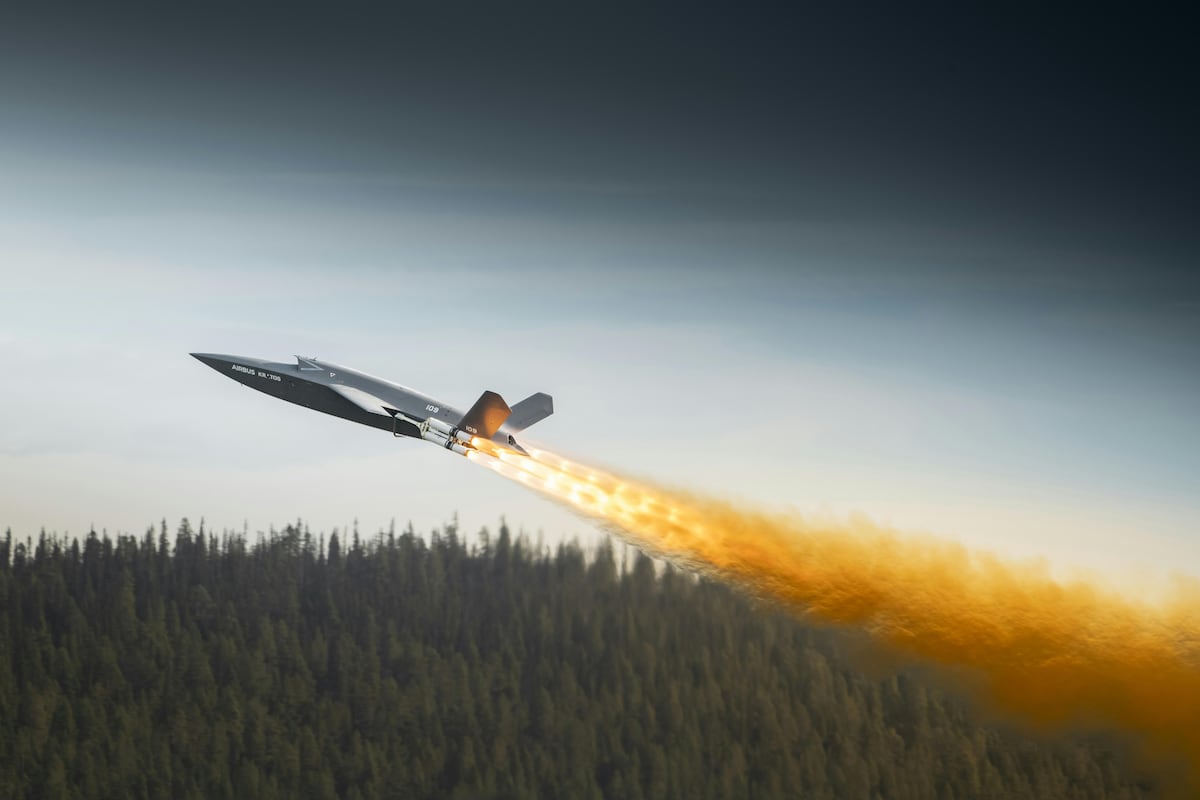
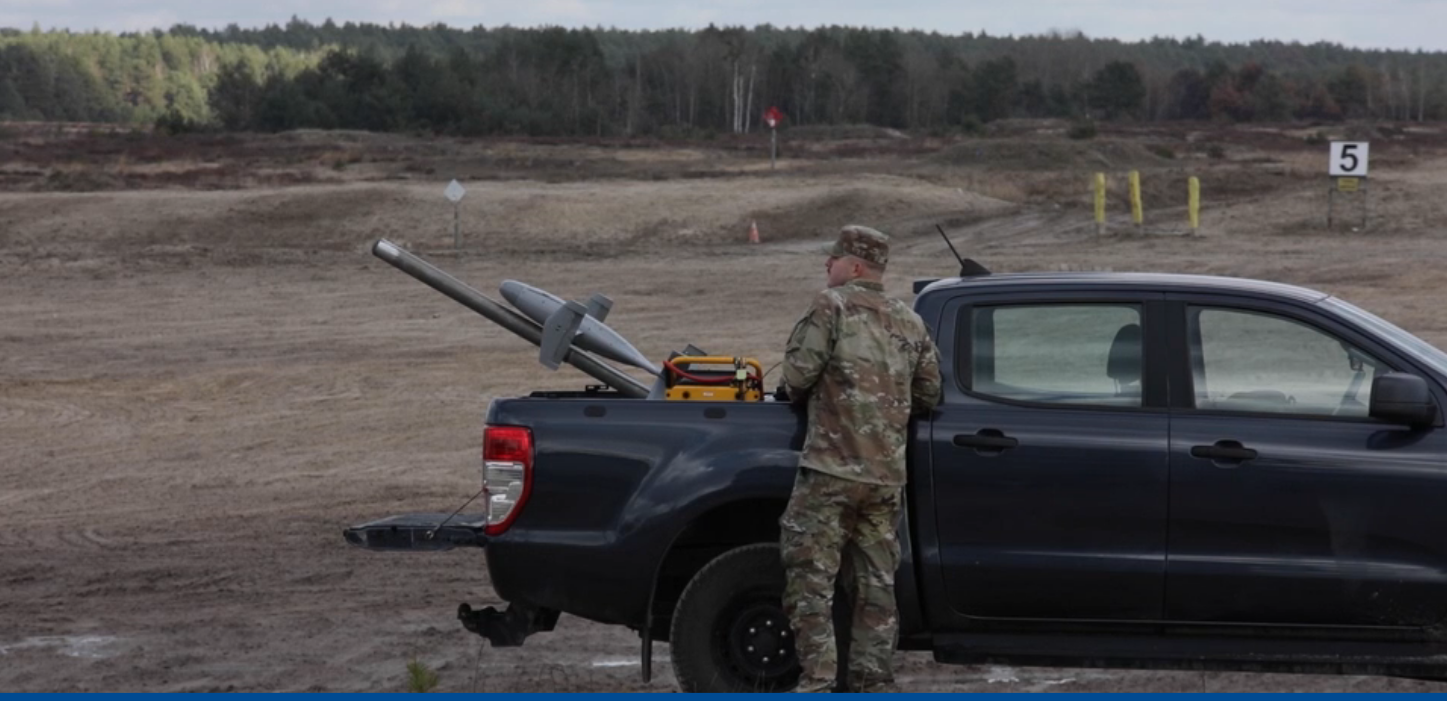
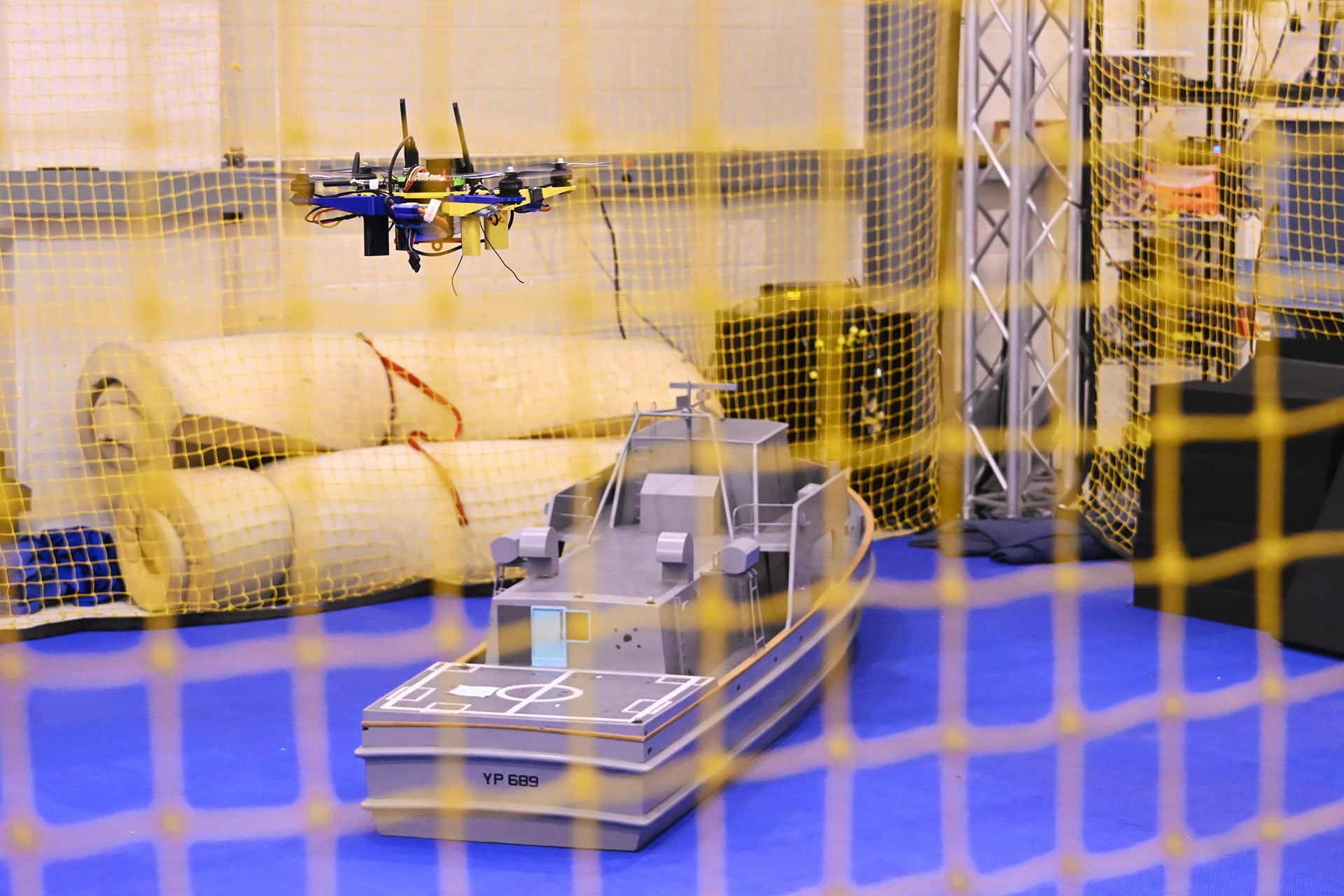
In a world where technological advancements are reshaping the landscape of warfare, the statement by General Charles Q. Brown Jr., Chairman of the Joint Chiefs of Staff, that autonomous weapons will be a 'key part' of U.S. military strategy, resonates deeply within the defense sector. As military operations evolve, the integration of artificial intelligence and autonomous systems into combat scenarios is not just a trend; it is becoming a strategic imperative. This pivot toward automation reflects a broader shift in how the U.S. aims to maintain its competitive edge in global defense.
The implications of this transition are profound. Autonomous weapons systems, which can operate independently of human control, promise to enhance operational efficiency and reduce the risk to human soldiers in combat situations. This capability is particularly important given the complexities of modern warfare, where rapid decision-making and adaptability are vital. Furthermore, as adversaries increasingly invest in their own autonomous technologies, the U.S. military recognizes that failing to embrace these advancements could lead to a significant strategic disadvantage.
As General Brown highlighted, the future of warfare will be characterized by a blend of human oversight and autonomous capabilities. This hybrid approach aims to leverage the strengths of both human intuition and machine precision. For defense contractors and technology firms, this presents a unique opportunity to innovate and develop autonomous systems that can be seamlessly integrated into existing military frameworks. Companies that can provide solutions in artificial intelligence, robotics, and machine learning will find themselves at the forefront of the defense industry's evolution.
Moreover, the growing reliance on autonomous systems is likely to spark debates on ethical considerations and the rules of engagement. The prospect of machines making life-and-death decisions raises questions about accountability and moral responsibility in warfare. As industry leaders and policymakers navigate these challenges, it is imperative to establish a robust framework that governs the use of autonomous weapons, ensuring they are deployed responsibly and effectively.
Looking ahead, the defense and aerospace sectors must prepare for a future in which autonomous systems play a central role in military operations. This will require not only technological advancements but also a cultural shift within the military that embraces innovation and adaptability. For investors and builders in this space, the message is clear: the next wave of defense technology is here, and those who invest in autonomous solutions will likely lead the charge in shaping the future of warfare.
In conclusion, as autonomous weapons emerge as a cornerstone of U.S. military strategy, industry stakeholders must engage in thoughtful dialogue about the implications of this shift. The path forward is fraught with challenges, but it also offers unprecedented opportunities for growth and innovation in the defense, aerospace, and technology sectors.