Space Force May Need Uptick In Wallops Island Launches Due To Commercial Demand
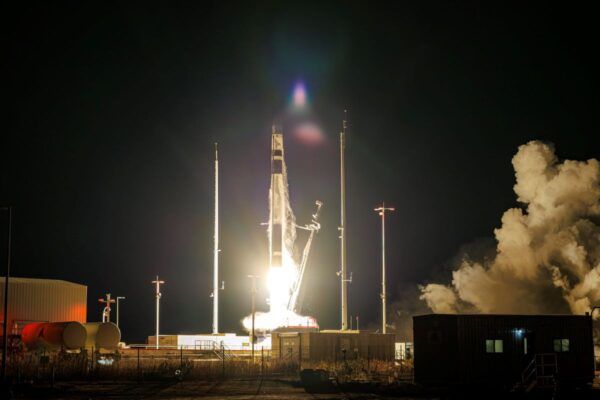
As the realm of space transitions into a bustling arena of commercial activity, the U.S. Space Force finds itself at a pivotal juncture, one that necessitates a reevaluation of launch operations at Wallops Island. With the growing demand from private aerospace companies for frequent and reliable launch facilities, the Space Force is considering increasing the frequency of launches from this strategic site. This shift not only underscores the significance of Wallops Island as a launch hub but also highlights the evolving relationship between government agencies and commercial enterprises in the aerospace sector.
Wallops Island, located in Virginia, has long been a launch site for various missions, primarily focusing on scientific research and small satellite deployments. However, the burgeoning commercial space market, driven by the likes of SpaceX, Rocket Lab, and other private entities, is reshaping the landscape. As these companies ramp up their operations to meet the surging demand for satellite deployment and space exploration, the infrastructure at Wallops Island must adapt to accommodate this increase. The Space Force's interest in enhancing launch capabilities at Wallops is a strategic move to leverage existing resources while supporting national security objectives in an increasingly crowded space environment.
For defense and aerospace professionals, this potential uptick in launches is a significant development. It signals a recognition that national security and commercial interests are intertwined in the modern space race. Increased launch capacity at Wallops Island could facilitate more robust testing and deployment of satellite systems that play critical roles in military operations, from communication and navigation to surveillance and reconnaissance. Moreover, it allows the Space Force to maintain a competitive edge against adversaries who are also investing heavily in their own space capabilities.
The implications of this potential shift extend beyond mere launch statistics; it reflects a broader trend towards collaboration between government and private sectors. The Space Force's willingness to adapt its operational framework to include a higher volume of commercial launches indicates an understanding that innovation and agility are crucial in this rapidly changing domain. This collaborative approach can foster advancements in technology, drive down costs, and create a more resilient space infrastructure, which is essential for both commercial and defense applications.
Looking ahead, the Space Force's anticipated increase in launches from Wallops Island may serve as a catalyst for further investment in space technology and infrastructure. As the demand for space access continues to rise, we may witness a surge of new projects and partnerships that could redefine how we utilize and protect our assets in space. For builders, investors, and industry professionals, staying attuned to these developments will be crucial, as they not only impact the current landscape but also shape the future of defense and aerospace endeavors.
In conclusion, the potential for increased launches at Wallops Island is more than just a logistical adjustment; it is a reflection of the dynamic interplay between commercial aspirations and national security needs. As the Space Force navigates this evolving terrain, the collaboration between public and private sectors will be instrumental in ensuring that the U.S. maintains its leadership in space exploration and defense capabilities.