SOCOM to Buy Leidos AGM-190A for Small Cruise Missile Program
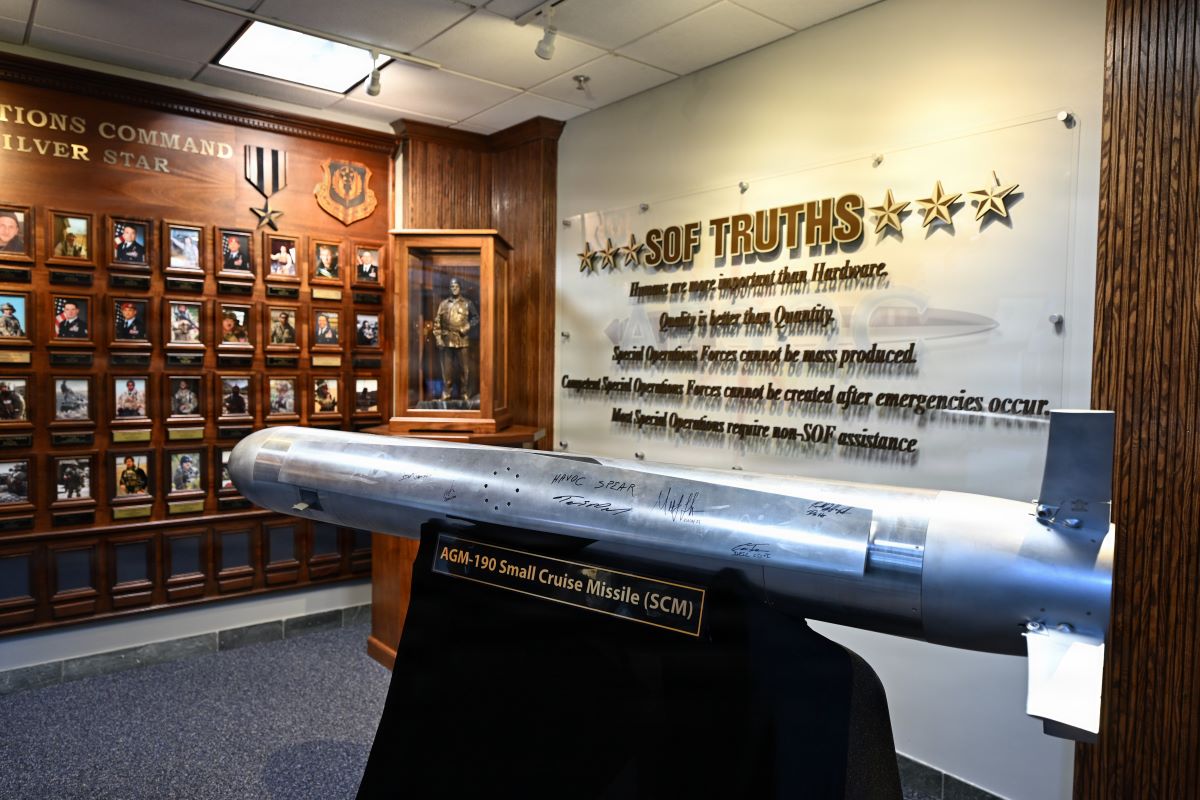
In a significant move that underscores the evolving landscape of military capabilities, the U.S. Special Operations Command (SOCOM) has announced plans to procure the AGM-190A small cruise missile from Leidos. This acquisition is poised to enhance SOCOM's operational flexibility and lethality in a rapidly changing global threat environment. The AGM-190A, designed for precision strikes, represents a crucial step in SOCOM's ongoing efforts to modernize its arsenal while adapting to the unique demands of special operations.
The AGM-190A is part of SOCOM's Small Cruise Missile Program, which is aimed at providing special operations forces with a modular, low-cost precision strike capability that can be deployed from a variety of platforms. This missile not only expands the operational reach of SOCOM units but also integrates seamlessly with existing technologies. By leveraging the advanced engineering and design expertise of Leidos, SOCOM aims to ensure that its forces maintain an edge over increasingly sophisticated adversaries. The selection of the AGM-190A highlights a broader trend within the defense sector, where the focus is shifting towards more agile and cost-effective solutions that can be rapidly deployed in diverse operational theaters.
The context of this acquisition is critical. As geopolitical tensions rise and the nature of warfare evolves, special operations forces are increasingly called upon to conduct complex missions that require advanced weaponry capable of precision engagement without collateral damage. The AGM-190A's capabilities align well with these needs, offering a balance of range, precision, and affordability. In an age where military budgets are scrutinized and operational efficiency is paramount, the decision to invest in a small cruise missile system that can deliver on these fronts is both strategic and timely.
For investors and builders in the defense and aerospace sectors, the SOCOM's focus on the AGM-190A signals a burgeoning market for advanced missile systems. Companies that can innovate in areas such as miniaturization, guidance systems, and warhead technology stand to benefit from this trend. The defense industry must now pivot towards solutions that not only meet the immediate requirements of military end-users but also position themselves for future conflicts, where speed and precision will be critical.
Looking ahead, the implications of SOCOM's acquisition extend beyond immediate operational capabilities. It reflects a broader commitment to transforming the U.S. military's approach to warfare, prioritizing flexibility and responsiveness in its arsenal. The successful integration of the AGM-190A could pave the way for further advancements in missile technology, including enhancements in artificial intelligence and autonomous systems that can operate in contested environments. As the defense sector continues to evolve, the emphasis on affordable, adaptable solutions will be key to maintaining a competitive advantage on the global stage.
In conclusion, SOCOM’s decision to procure the AGM-190A is not just a tactical update; it is a strategic recalibration that resonates deeply within the defense community. As this program moves forward, its impact will likely reverberate throughout the industry, shaping future investments and technological advancements in missile systems and beyond.