
RTX Nabs SM-3 Block IB Contract Worth Up To $6 Billion
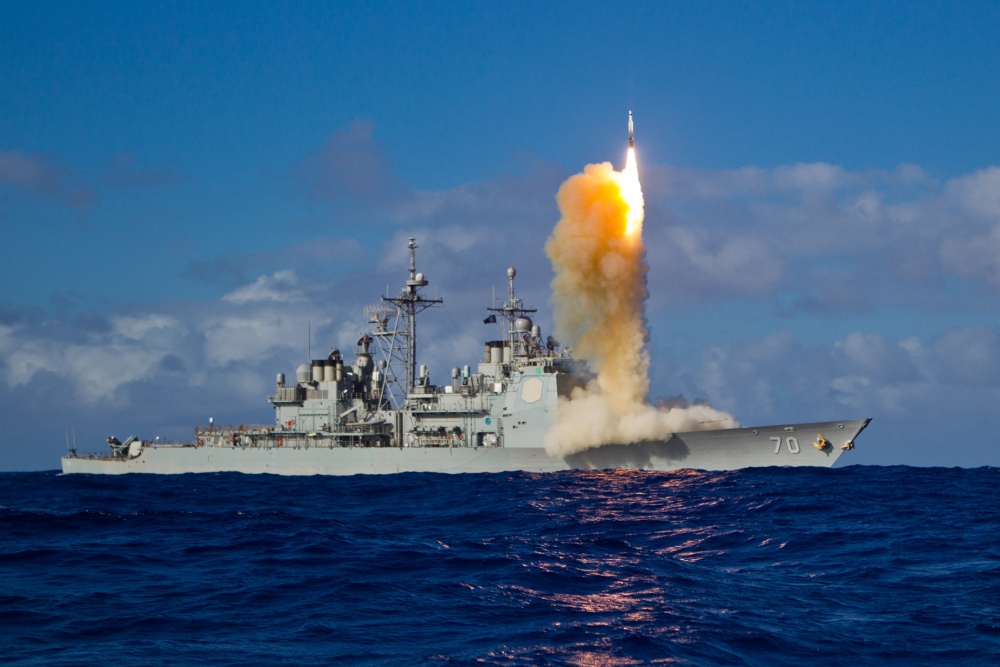
In a significant move for missile defense capabilities, RTX has secured a contract valued at up to $6 billion for the production of the SM-3 Block IB interceptor. This contract, awarded by the U.S. Navy, marks a pivotal moment not only for RTX but also for the broader defense ecosystem focused on affordable mass and operational sustainability. The SM-3 Block IB, a vital component of the Aegis Ballistic Missile Defense System, represents a crucial technological advancement in the ongoing effort to safeguard against evolving aerial threats.
The SM-3 Block IB missile is designed to intercept short- to intermediate-range ballistic missiles, enhancing the United States' defensive posture. The contract comes at a time when geopolitical tensions are rising, underscoring the necessity for robust defense systems that can be scaled and maintained effectively. RTX's ability to produce these interceptors at a competitive price point aligns perfectly with the Department of Defense's emphasis on affordability and readiness in defense procurement. This contract not only signifies RTX's role in advanced missile defense but also highlights a critical shift towards mass production of defense systems that can be rapidly deployed and sustained.
From an affordability perspective, the contract plays into the broader narrative of acquiring systems that are both cost-effective and capable of being produced in quantities sufficient to meet operational demands. As defense budgets continue to be scrutinized, the push for low-cost, attritable solutions becomes increasingly relevant. The SM-3 Block IB's design and manufacturing processes are expected to incorporate modern production techniques that could reduce costs while enhancing performance. This focus on affordability is crucial for the U.S. military's ability to maintain a technological edge without compromising on operational readiness.
Moreover, the sustainment of these systems will require innovative approaches to maintenance and logistics. RTX's experience in the defense sector positions it well to develop lifecycle solutions that keep the SM-3 Block IB fleet operational at lower costs. This aspect of sustainment is critical, as the longevity and reliability of missile systems directly impact their effectiveness in real-world scenarios. As the contract progresses, RTX will need to prioritize not just the initial production but also the ongoing support necessary to ensure these interceptors remain ready for deployment.
Looking ahead, the $6 billion contract will not only bolster RTX's position in the defense market but may also set a precedent for future contracts focused on affordability and operational sustainability. With the defense landscape continually evolving, the emphasis on low-cost, high-efficiency systems like the SM-3 Block IB could pave the way for a new era in missile defense, one that prioritizes both technological innovation and fiscal responsibility. As industry professionals, investors, and policymakers observe these developments, the implications for the future of defense procurement and sustainment strategies will be vast and significant.



