Reindustrializing Drone Manufacturing in the U.S. | David Michelson, Re:Build Manufacturing
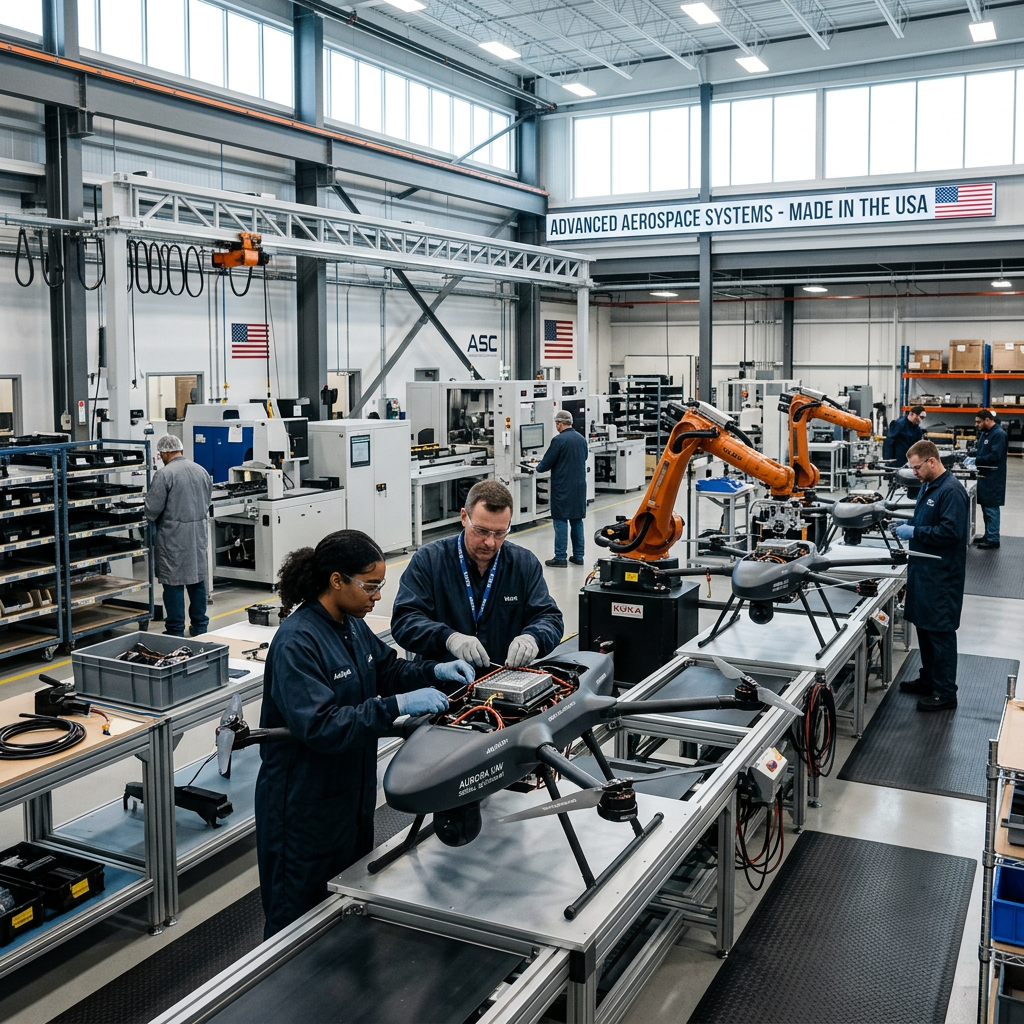
In an era marked by rapid technological advancement and shifting geopolitical landscapes, the reindustrialization of drone manufacturing in the United States is not merely timely; it is imperative. As highlighted in a recent podcast with David Michelson of Re:Build Manufacturing, the U.S. stands at a crossroads where the integration of advanced manufacturing techniques into drone production could redefine national defense capabilities and enhance the country’s competitive edge in the global aerospace sector. With escalating tensions and an increasingly complex security environment, the urgency for domestically produced, cutting-edge drones has never been greater.
The global drone market is witnessing explosive growth, driven by advancements in artificial intelligence, materials science, and robotics. Yet, a significant portion of the current manufacturing processes remains fragmented and reliant on international supply chains, which can lead to vulnerabilities in national security. Michelson’s insights underscore a critical shift towards a more resilient supply chain model that leverages smart manufacturing techniques to create drones that are not only advanced in capabilities but also produced efficiently and sustainably within U.S. borders. This move is essential for building a robust manufacturing base that can quickly respond to military needs and civilian applications alike.
Re:Build Manufacturing's approach aims to harness the benefits of modular design and automation. By utilizing advanced technologies such as additive manufacturing and robotics, the company seeks to streamline production processes, reduce costs, and improve the overall quality of drone systems. This innovative model not only holds the promise of faster deployment and iteration of new drone designs but also creates opportunities for collaboration among various stakeholders within the defense and aerospace industries. Such synergies are crucial, as they foster a culture of innovation that can propel the U.S. to the forefront of global drone technology.
Moreover, the reindustrialization effort is not just about enhancing military capabilities; it also represents a significant economic opportunity. By investing in drone manufacturing, the U.S. can stimulate job creation, drive technological advancements, and foster a new generation of engineers and technicians skilled in cutting-edge production methods. For investors and builders in the defense sector, this presents a unique chance to engage in a rapidly evolving market that promises substantial returns as demand for unmanned systems continues to rise.
As we look to the future, the question remains: will the U.S. seize this moment to lead in drone manufacturing, or will it allow itself to lag behind global competitors? The answer lies in strategic investments and a commitment to innovation. The defense and aerospace communities must align their efforts to support this vision of a revitalized manufacturing landscape. The potential benefits of reindustrializing drone production extend beyond immediate military applications; they are a pathway to ensuring long-term national security and economic resilience in an unpredictable world.
In conclusion, the call to action is clear. The U.S. must embrace the challenge of reindustrializing its drone manufacturing capabilities. With leaders like David Michelson paving the way, the potential to transform the industry is within reach. By fostering a robust ecosystem of innovation and production, the U.S. can reclaim its position as a leader in aerospace technology and ensure its defense capabilities remain second to none.