REGENT Raises $240 Million To Transition Seagliders To Manufacturing
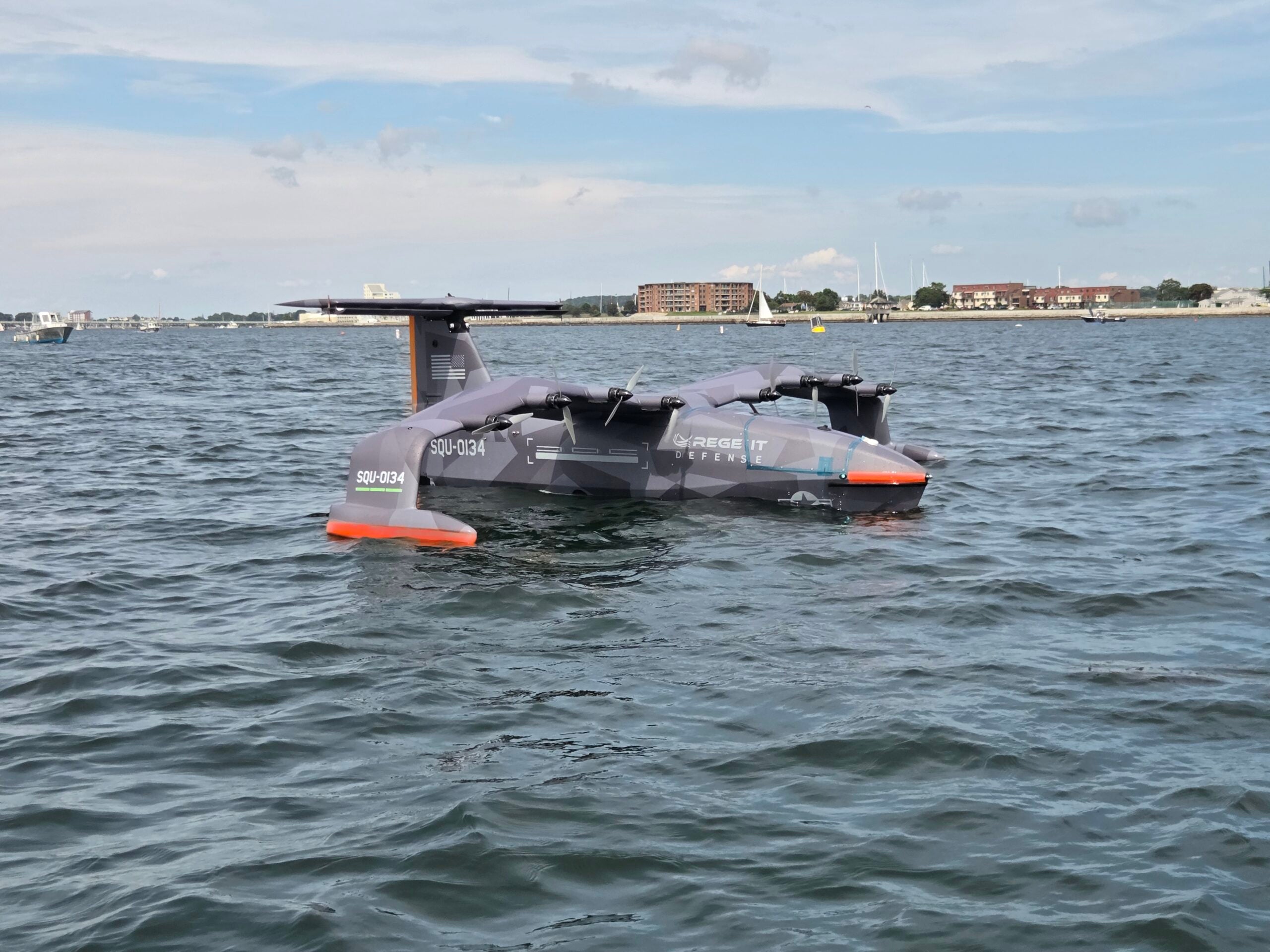
In a significant stride toward revolutionizing maritime transport, REGENT has successfully raised $240 million in its latest funding round, marking a pivotal moment in the transition of its innovative Seagliders from conceptual designs to tangible manufacturing. This funding not only propels REGENT into the next phase of development but also underscores the growing interest in sustainable, high-speed transportation technologies that could reshape both commercial and defense sectors.
Seagliders, which are designed to operate on the principle of ground effect—wherein vehicles fly just above the water's surface to reduce drag—promise to deliver rapid transit solutions with minimal environmental impact. As global supply chains and logistics increasingly seek efficiency and sustainability, REGENT’s vision aligns well with the defense and aerospace sectors' push towards reducing carbon footprints while maintaining operational efficacy. With this funding, REGENT is poised to scale production capabilities, potentially ushering in a new era where Seagliders could serve not only in commercial capacities but also in defense operations, where agility and speed are paramount.
The implications of this funding extend beyond REGENT's immediate business interests. As the defense industry grapples with the challenges of modernization and the need for versatile transport options, the integration of Seagliders could enhance naval operations, enabling rapid troop deployment and logistical support in coastal and riverine environments. The ability to traverse water bodies swiftly and efficiently may provide a strategic advantage, particularly in scenarios requiring quick response times and flexibility.
Moreover, this investment reflects a broader trend within the aerospace and defense industries towards embracing advanced technologies and innovative solutions. The involvement of prominent investors indicates confidence in REGENT's vision and the potential market for such technologies. As governments and private entities alike prioritize investments in clean energy and advanced mobility solutions, REGENT's progress could signal a shift in funding dynamics within the sector, encouraging more companies to explore environmentally friendly alternatives.
As REGENT moves forward with its manufacturing transition, the implications for builders, investors, and defense industry professionals are profound. The successful deployment of Seagliders could catalyze a shift in maritime logistics and defense strategies, offering new avenues for collaboration and investment. With a focus on sustainable solutions, REGENT stands at the forefront of a movement that could redefine how we think about transportation on water, merging the realms of defense, commercial aviation, and environmental responsibility.
Looking ahead, the challenge will be not just in production but also in the regulatory landscape that governs aerial and maritime operations. If REGENT can navigate these complexities successfully, it may very well set a precedent for future innovations in the aerospace and defense sectors. The success of the Seagliders could pave the way for further advancements in ground effect technology, potentially influencing a wide range of applications beyond military and commercial transport, including search and rescue operations and humanitarian missions. In a rapidly evolving landscape, REGENT's next steps will be closely watched by industry stakeholders, as they could herald a new chapter in the intersection of technology, defense, and environmental stewardship.