REGENT Demonstrated Autonomous Seaglider At Navy Drone Event
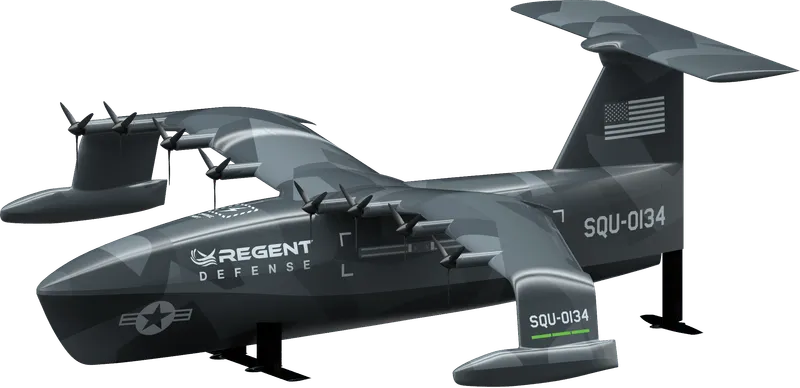
In a significant demonstration that underscores the rapid evolution of unmanned systems, REGENT showcased its autonomous Seaglider at a recent Navy drone event. This innovative vehicle, designed to operate in maritime environments, represents a pivotal advancement in the realm of unmanned aerial vehicles (UAVs) and autonomous maritime systems. As defense and aerospace professionals increasingly explore the capabilities of drones, REGENT's Seaglider emerges as a promising solution that could redefine operational strategies in naval operations.
The Seaglider, a hybrid vessel that transitions between flying and gliding, aims to enhance surveillance, reconnaissance, and logistical support in maritime operations. Its unique design allows it to travel efficiently over long distances, covering vast expanses of ocean with reduced fuel consumption compared to traditional vessels. This capability is particularly relevant for naval forces that face the dual challenges of expanding operational ranges and maintaining sustainability in mission profiles. The integration of such systems could significantly augment the U.S. Navy’s existing fleet, enabling it to respond more effectively to threats while conserving resources.
Moreover, the demonstration of the Seaglider aligns with the U.S. Department of Defense's broader strategy to incorporate advanced technologies into military operations. As the Pentagon increasingly invests in autonomous systems, the potential for drones to operate alongside manned vessels presents a transformative shift in tactical planning. The Seaglider’s ability to autonomously navigate and execute missions could enhance situational awareness and decision-making in complex maritime environments, where human response times may lag in the face of rapidly evolving threats.
For builders and investors in the defense sector, the implications of this technology are profound. As the demand for more versatile and capable unmanned systems continues to rise, the market for advanced UAVs like the Seaglider is poised for growth. Companies that align their research and development efforts with emerging technologies will likely find themselves at the forefront of a lucrative sector. Additionally, the potential for partnership opportunities between private firms and military branches could create pathways for innovation and shared knowledge, driving the advancement of autonomous maritime capabilities.
Looking ahead, REGENT's demonstration serves as a reminder of the importance of continuous innovation in the defense and aerospace industries. As adversaries develop their own advanced technologies, the U.S. and its allies must remain proactive in integrating cutting-edge solutions like the Seaglider into their operational frameworks. By embracing these advancements, the defense community can ensure that it maintains a strategic edge over potential threats in an increasingly contested maritime domain. The journey of the Seaglider is just beginning, and its evolution will be watched closely by industry stakeholders eager to capture the next wave of defense innovation.