Raytheon gets massive $23B contract to boost Tomahawk production
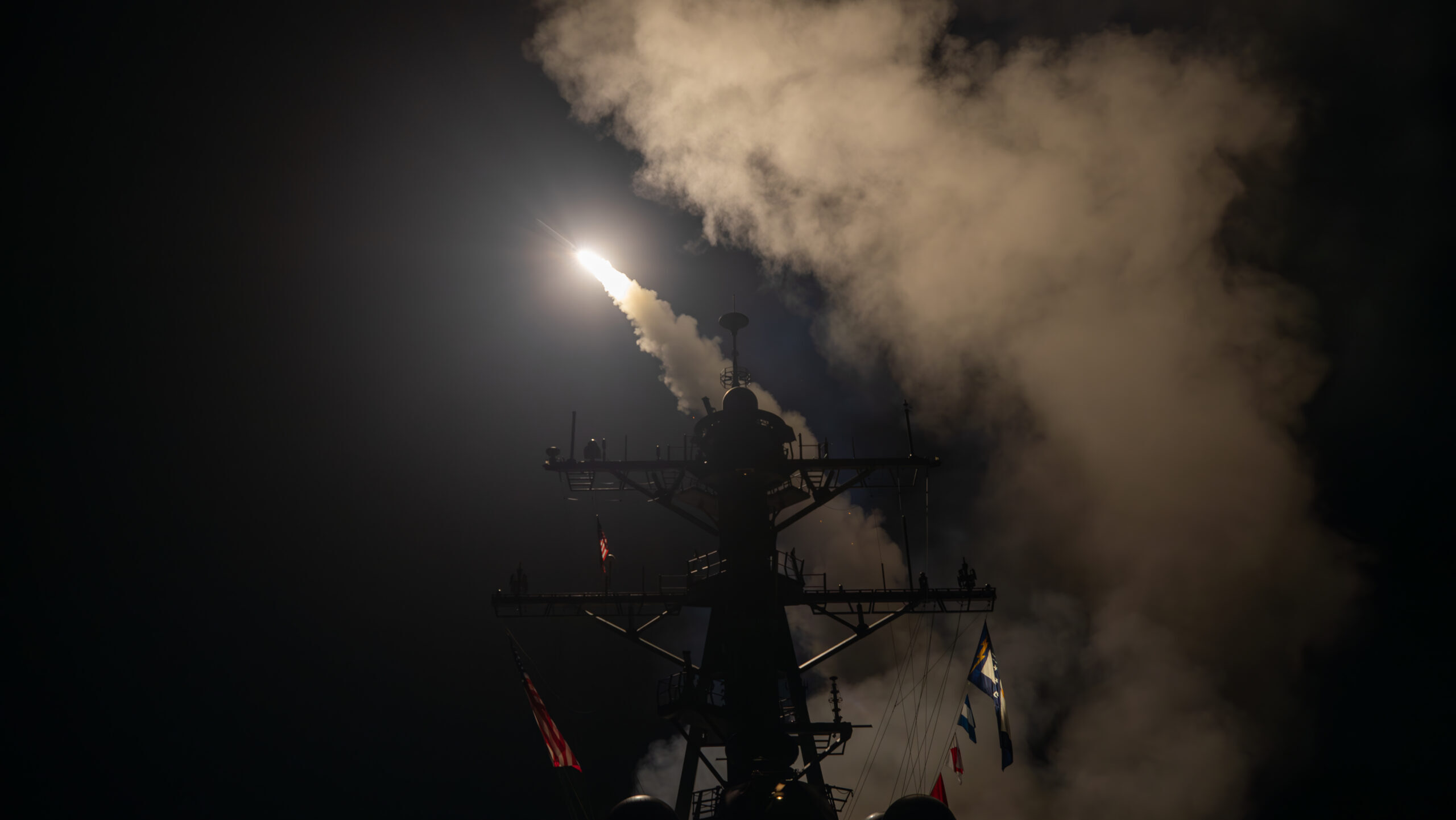
In a significant development for the defense industry, Raytheon has secured a massive $23 billion contract aimed at ramping up production of the Tomahawk cruise missile. This monumental deal, announced recently, marks a pivotal moment not only for Raytheon but also for the U.S. military's strategic capabilities. As global tensions continue to rise, the increased production of this precision-guided weaponry underscores a renewed commitment to enhancing national security and maintaining technological superiority in military operations.
The Tomahawk missile, renowned for its long-range capabilities and precision strike features, has been a cornerstone of U.S. naval warfare since its introduction. With this new contract, Raytheon is set to significantly boost its production capacity, responding to heightened demand from the U.S. Navy and allied forces. This move comes at a time when military planners are increasingly focused on modernizing arsenals to address evolving threats, particularly in volatile regions where adversarial forces are leveraging advanced technologies.
Contextually, this contract aligns with broader defense initiatives, including the U.S. Department of Defense's focus on deterrence and power projection. The Tomahawk missile has proven its effectiveness in numerous conflicts, making it a preferred choice for both strategic and tactical operations. As adversaries develop countermeasures against traditional weapons systems, the need for advanced, reliable, and versatile systems like the Tomahawk becomes even more critical. This contract signals to defense investors and industry stakeholders that the U.S. is prioritizing defense modernization amid a changing global landscape.
The implications of this contract extend beyond just production numbers; they also highlight the importance of maintaining a robust industrial base capable of rapid innovation and adaptation. Raytheon's ability to scale up production efficiently will not only bolster the U.S. military's capabilities but also create numerous job opportunities and stimulate the aerospace and defense sectors. With investments in advanced manufacturing techniques and technologies, Raytheon is positioning itself to enhance the overall resilience of the defense supply chain.
Looking forward, the $23 billion contract should be viewed as a bellwether for future defense spending trends. As geopolitical uncertainties persist, it is likely that we will see continued investment in advanced military systems. For builders and investors in the defense sector, this presents an opportunity to align with companies that are not only expanding their production capabilities but are also committed to innovation. In a world where the balance of power is constantly shifting, the ability to respond swiftly and effectively with advanced weaponry like the Tomahawk will be paramount. The defense landscape is evolving, and stakeholders must remain vigilant and adaptable to harness the potential of these significant changes.